Santa Margarita, Mallorca: history, beaches and traditions in the heart of the Pla
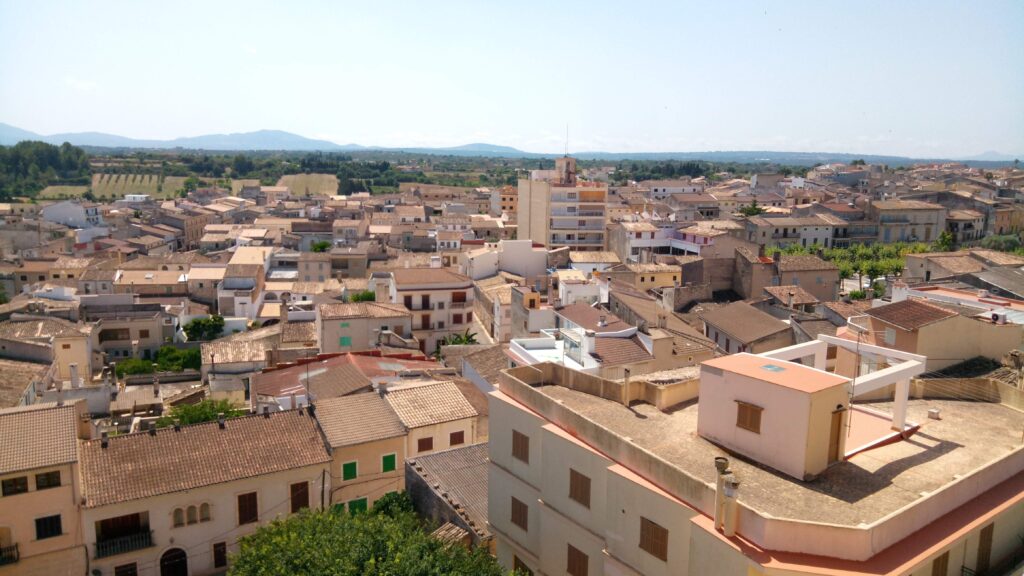
In the north of Mallorca, among fields of grain, carob trees and almond trees in bloom, lies Santa Margarita (Santa Margalida in Catalan), a municipality that combines the rural essence of the Pla de Mallorca with the energy of its Mediterranean coastline. Also known as La Vila, this town retains an authentic spirit, largely untouched by mass tourism, but with cultural, natural and festive treasures that make it an essential destination for those seeking to discover the most genuine Mallorca.

A brief history of Santa Margalida
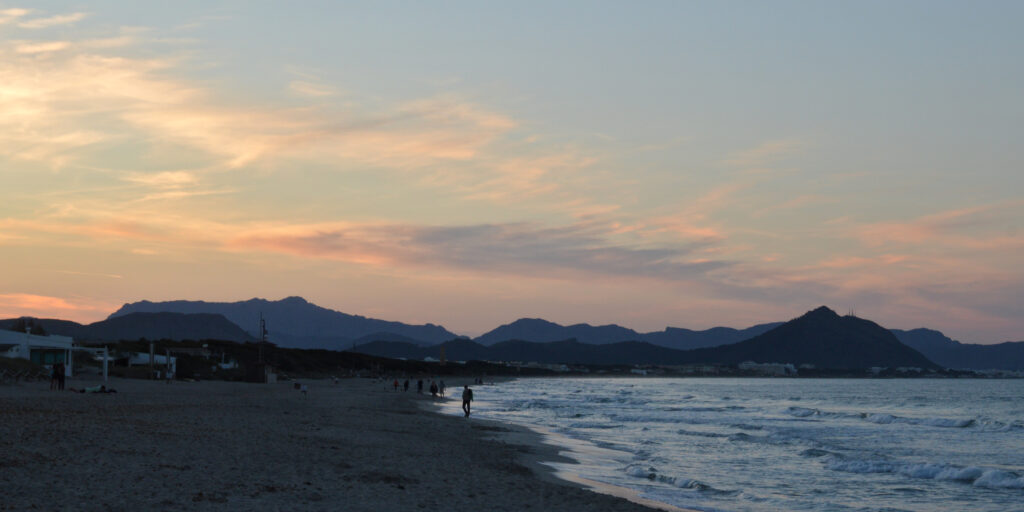
The municipality comprises three main towns: Santa Margalida, the capital and historic centre; Can Picafort, a lively coastal resort in the heart of Alcúdia Bay; and Son Serra de Marina, with one of the longest and wildest unspoilt beaches on the island. Together, they have a population of around 12,000 inhabitants who keep centuries-old traditions alive, while welcoming thousands of visitors attracted by their fine sandy beaches, archaeological sites and Mediterranean atmosphere.
The Santa Margalida area has been inhabited since prehistoric times. Talayotic, Roman, Islamic and medieval remains coexist in a territory that has always played a key role in northern Mallorca. One of the most notable sites is the Son Real necropolis, an archaeological site unique in the western Mediterranean. This Phoenician cemetery, dating from the 7th century BC, occupies a large part of the coastline and reveals the importance of the area as a place of worship and human settlement.
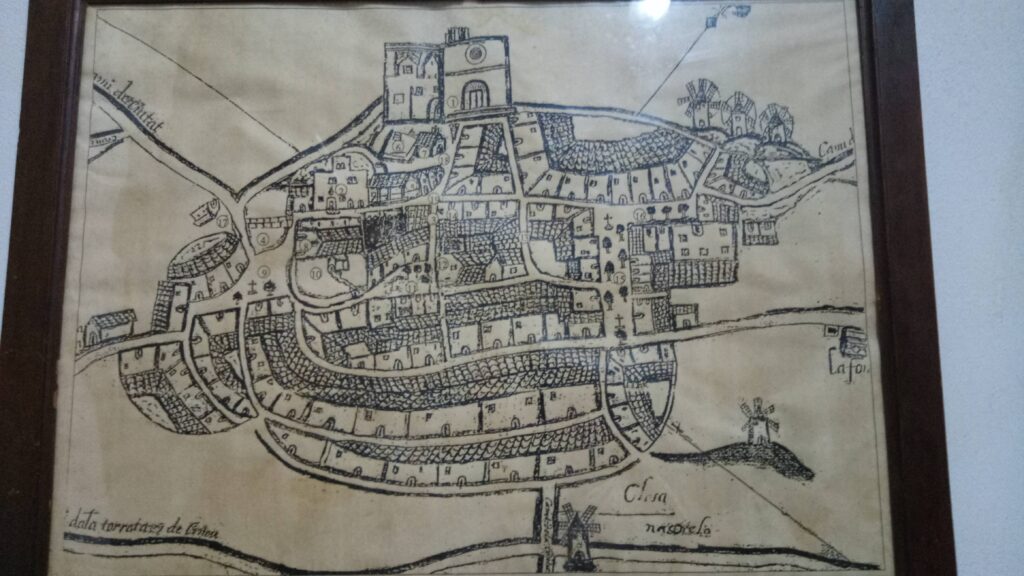
During the Muslim period, Santa Margalida was part of the district of Algebelí. After the conquest of Majorca by James I in 1229, the territory was redistributed and the village came under the control of the Comtat d’Empúries. The Llibre del Repartiment (1232) already mentions the name Hiachat, the direct predecessor of the current Santa Margalida. The village was organised around the parish church of Santa Margalida, built in the 13th century and dedicated to the martyr of the same name. From then on, rural and agricultural life set the pace of the municipality for centuries, with the cultivation of cereals, almonds and carob trees as the basis of the economy.
What to see in Santa Margalida
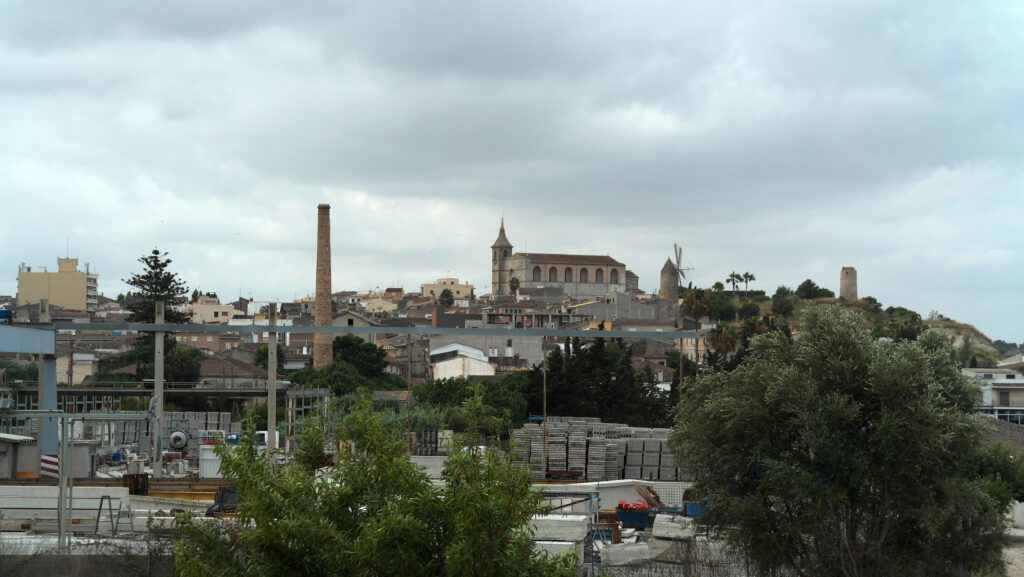
Although small, the municipal capital has places of great cultural and architectural interest that reflect its agricultural and religious history.
1. Plaça de la Vila
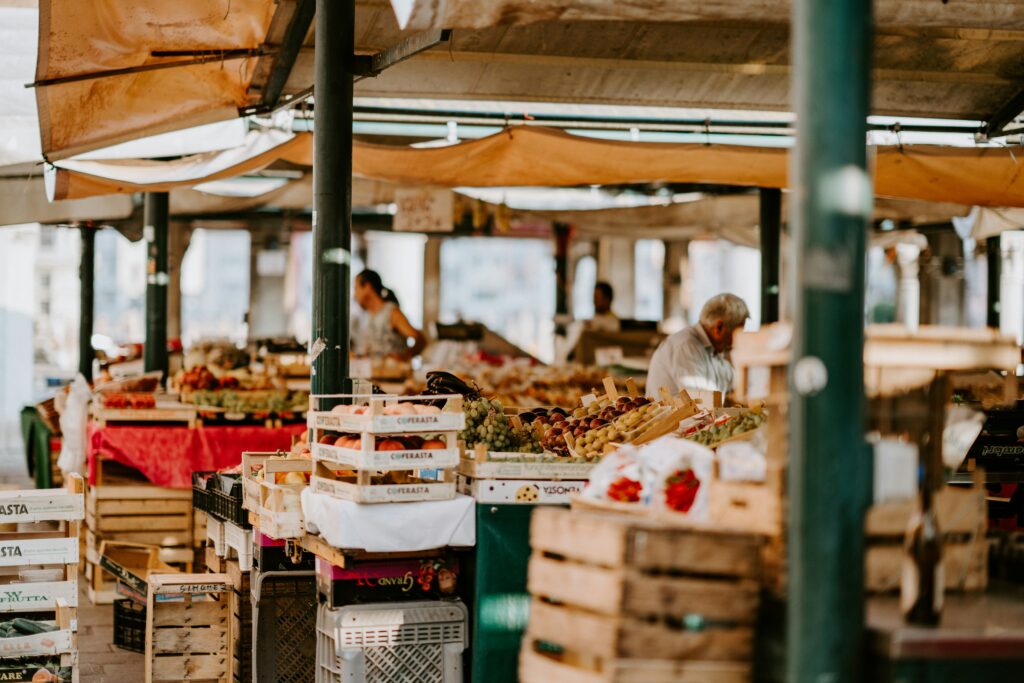
This is the nerve centre of Santa Margalida, where every Tuesday and Saturday the weekly market is held with stalls selling fruit, vegetables, flowers, clothing and local products such as sobrasada and artisan cheeses. The square is also a meeting point for locals and visitors.
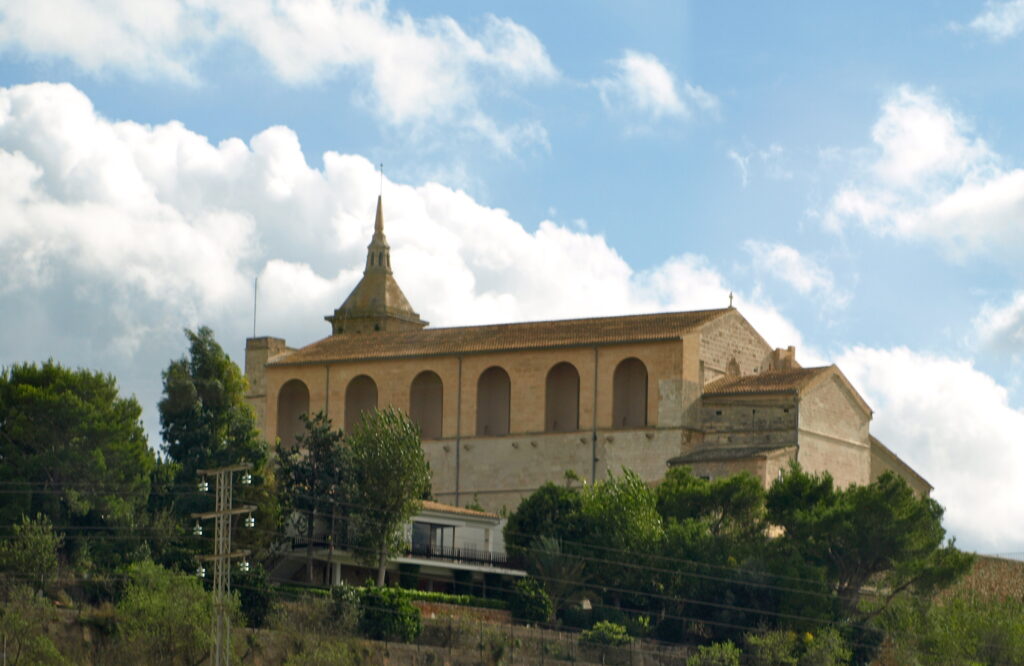
2. Parish Church of Santa Margalida
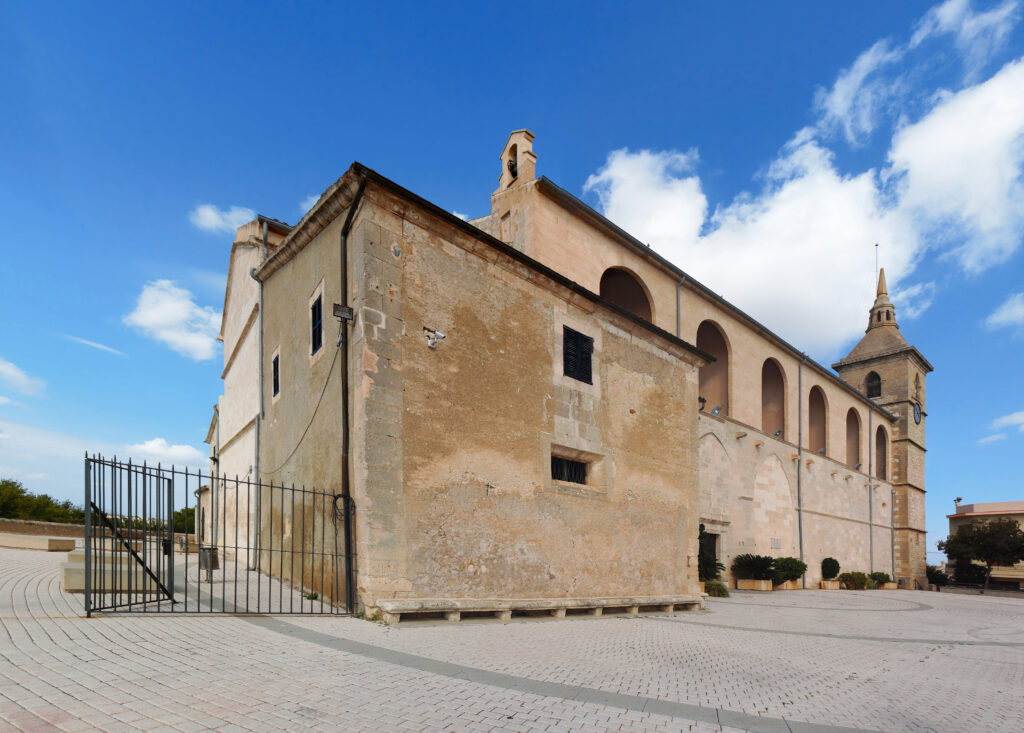
Built in the 13th century and renovated in later periods, its Gothic structure and bell tower stand out against the town’s skyline. From the rear, there are panoramic views of the fields of the Pla de Mallorca. Inside, there are altarpieces and sacred works of great value.
3. Passeig des Pouàs and Mirador d’Església
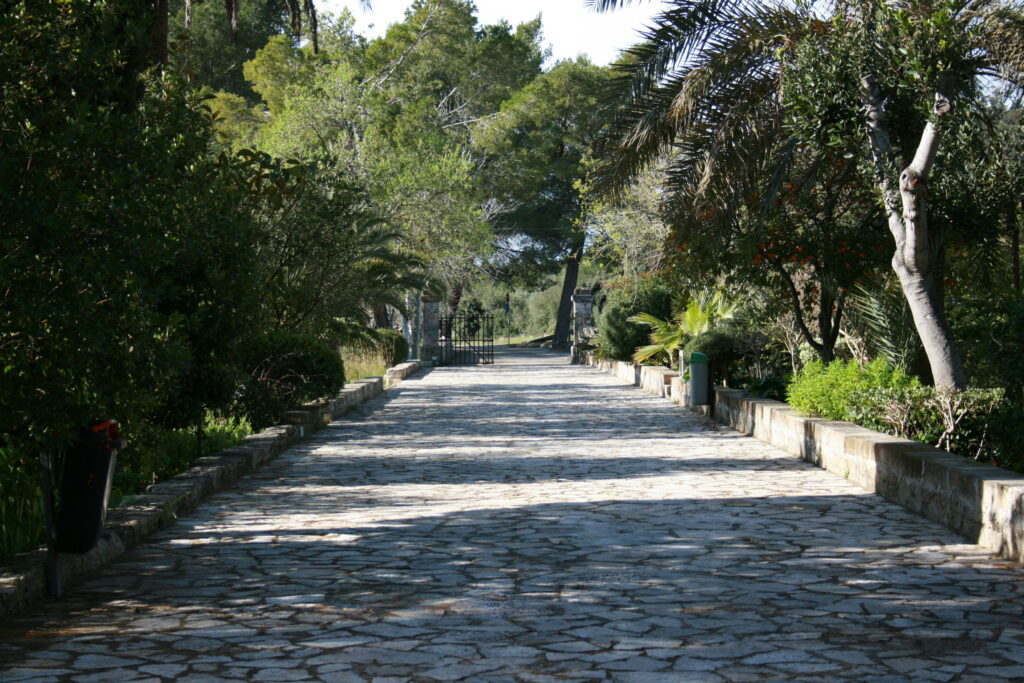
A tree-lined walkway leading to the viewpoint next to the church. From here you can appreciate the tranquillity of the rural surroundings of the village.
4. Flour mills
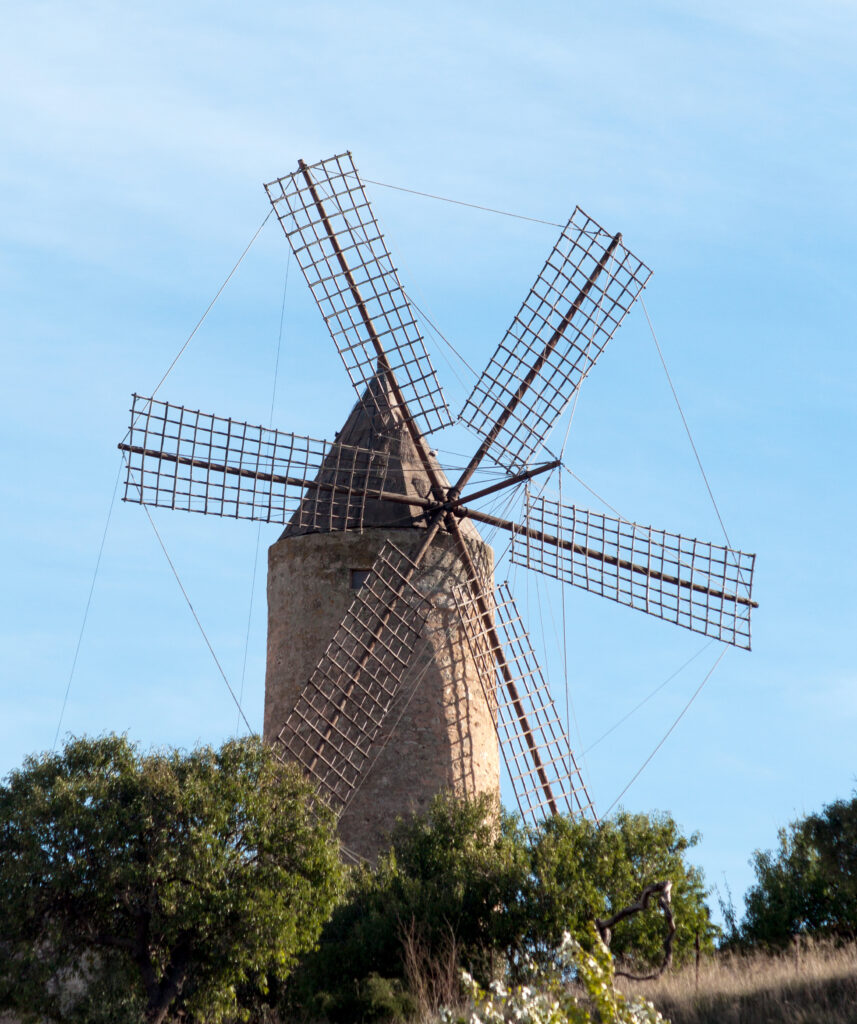
The mills of Molí d’en Curt and Molí d’en Cifre, just a few minutes from the centre, remind us of the importance of grain milling in the traditional economy of Santa Margalida.
5. Historic buildings, wells and hydraulic systems
The streets of the old town are home to architectural gems such as the Posada de sa Boleda, Sa Granja, Can Camisa and the Apotecaria Vella, a charming old apothecary. Also noteworthy are the 16th-century rectory and the stately Can Verge Vell, linked to the family of Juan March. The surrounding area abounds with ethnological remains such as the Pou d’Hero, of Roman origin, and the water mill of S’Hort des Mestre, evidence of the importance of water in rural life.
Archaeological heritage: the Son Real Public Estate
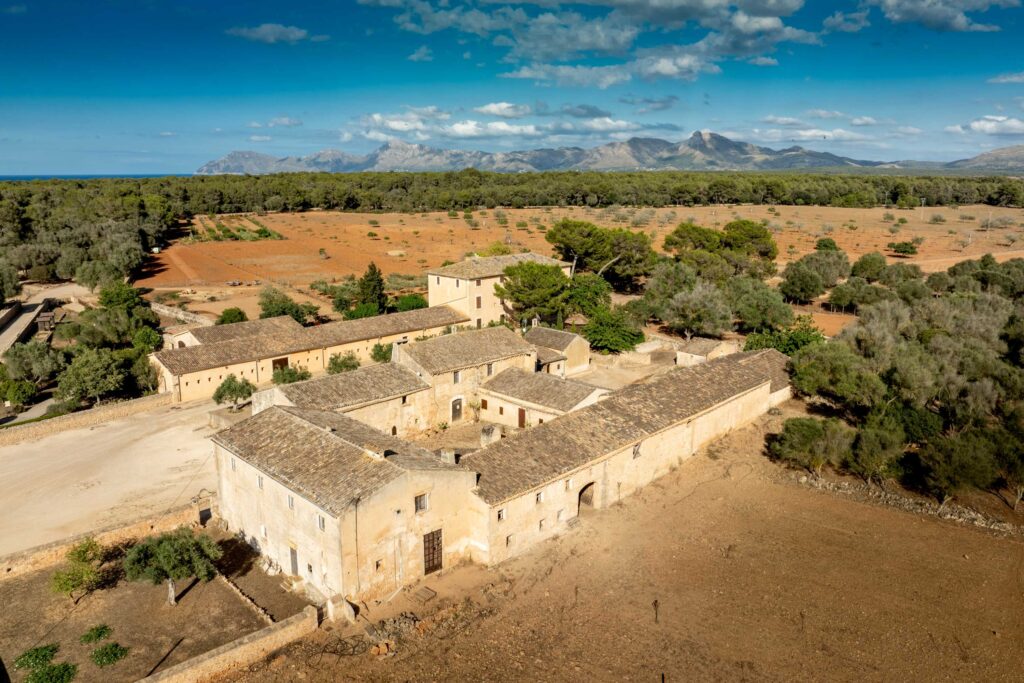
One of Santa Margalida’s greatest treasures is the Son Real Public Estate, located between Can Picafort and Son Serra de Marina. This space combines nature, history and archaeology:
- Son Real Necropolis: a Phoenician burial site dating back almost 4,000 years.
- Possessió mallorquina: a traditional rural estate that shows what the island’s old farms were like.
- Hiking and cycling routes: several itineraries run through pine forests, dunes and along the coast, perfect for combining sport and culture.
Can Picafort and Son Serra de Marina
The Santa Margalida coastline offers two very different sides:
- Can Picafort: once a small fishing village with barely 200 inhabitants, today it is a lively tourist centre with hotels, restaurants, a promenade and family beaches. Its development began in the 1970s and today it has more than 10,000 tourist beds. It is flanked by two natural areas of great value: the S’Albufera Natural Park and the Son Real estate. Here is the link to the article on Can Picafort.
- Son Serra de Marina: the complete opposite. It is a quiet enclave, without large hotels, with one of the longest unspoilt beaches on the island. It is ideal for water sports such as surfing or windsurfing, or simply for enjoying a natural environment without crowds.
Son Serra de Marina: a wild beach between coarse sand, history and nature
At about 11 km from Can Picafort, and in the municipality of Santa Margarita, we find Son Serra de Marina, a quiet and little urbanized beach that represents one of the least overcrowded natural jewels of the northeast of Mallorca. Along its extensive coastline of golden sand and low rocks, this beach maintains a wild and authentic atmosphere, far removed from the hustle and bustle of other tourist areas of the island. The landscape here is different: the sand has a coarser grain and a somewhat darker color, with stretches where posidonia remains accumulate, something natural in less intervened beaches.
On the right side, the Torrent de na Borges flows into the sea, which in addition to bringing freshness and vegetation to the environment, marks the natural boundary between the municipalities of Santa Margarita and Artà. On the left side, on the other hand, are the modest facilities of the Club Nàutic Serra Nova, reminding us that this area also has a seafaring tradition.
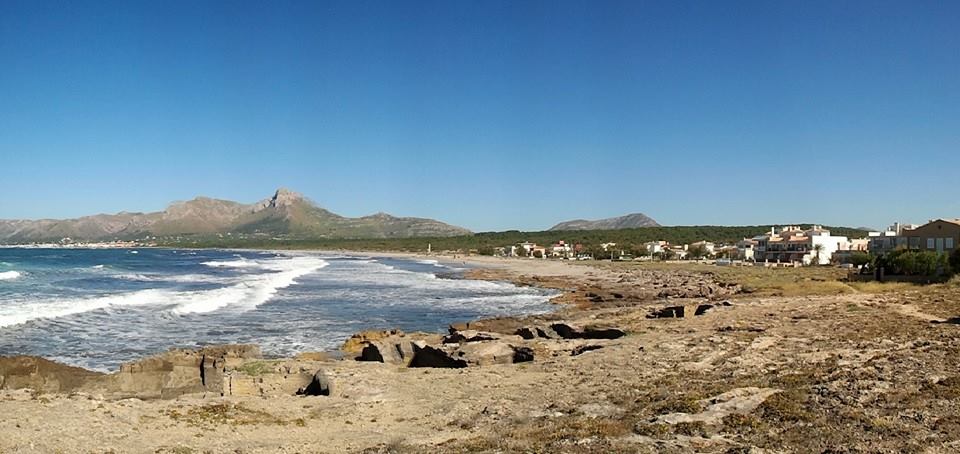
The residential nucleus, dispersed and quiet, preserves an old round defense tower, from which spectacular views of the Cap de Farrutx and the bay of Alcúdia are obtained. As a curiosity, in the 70s, there was an unusual clause in the deeds of the plots that forbade men and women to bathe together; today, the free spirit has prevailed, and nudism is a common and well accepted practice in several areas of this beach.
Although it does not have services such as sunbeds or lifeguards, Son Serra de Marina is very popular with local families, couples seeking peace and also with those who practice water sports independently. Access is easy, as you can easily reach it by car and leave it in one of the free parking lots near the shore. A perfect place if you are looking for disconnection, unfiltered nature and the most relaxed essence of Mallorca.
Ermita de Bonany: spirituality, history and unforgettable views in the heart of Mallorca
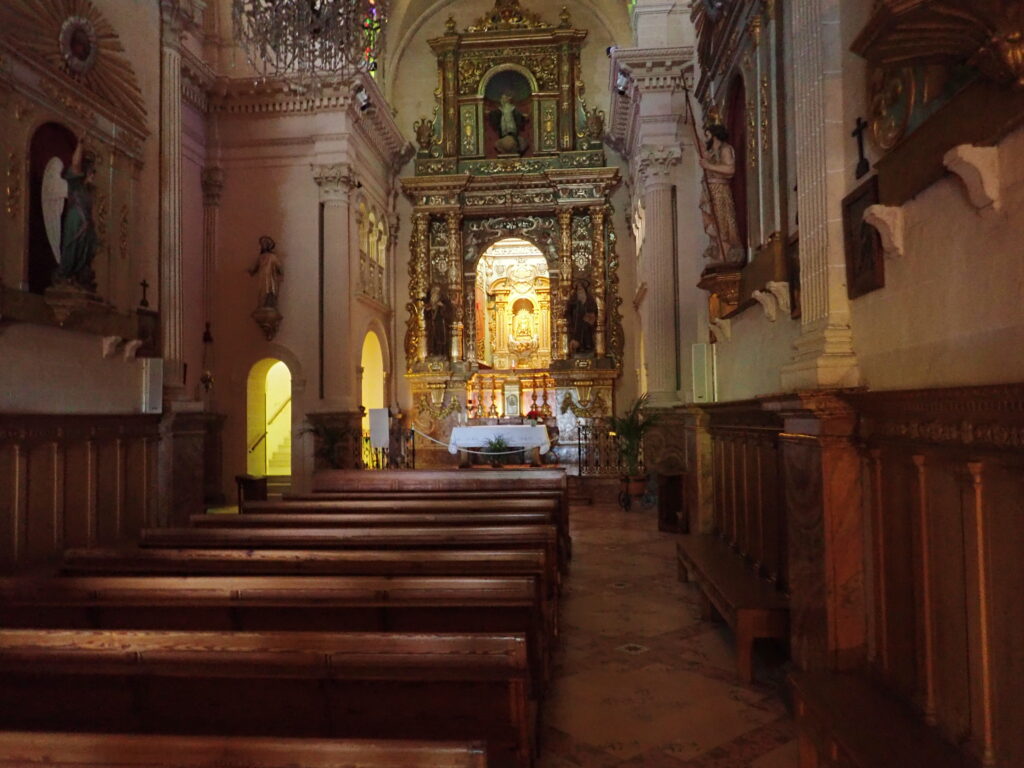
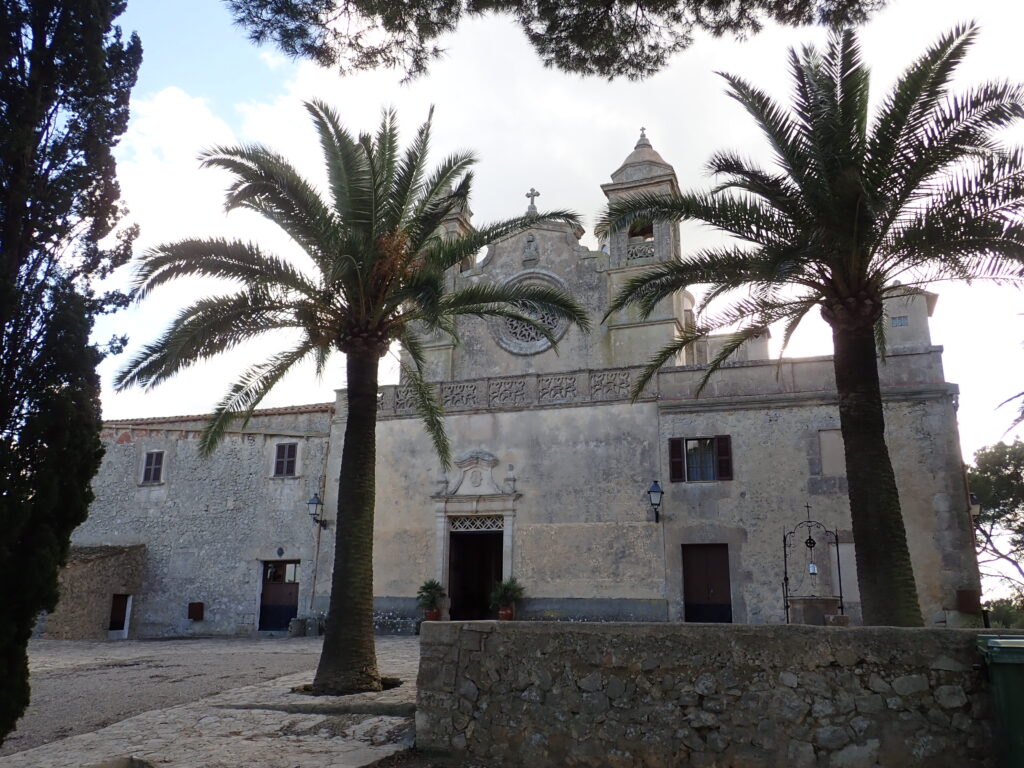
A short distance from Santa Margarita, in the neighboring municipality of Petra, stands the Ermita de Bonany, a corner that combines tranquility, tradition and a breathtaking view of the Pla de Mallorca. Located on top of a small hill, this hermitage was built in honor of a figure of the Virgin who, according to tradition, was found by a shepherd after being hidden during the Islamic occupation. Local history especially recalls an episode in 1609, when the inhabitants of Petra climbed up here to pray for the end of a severe drought. The rains came soon after and the harvest was excellent, which is why it was given the name “Bonany”, which means “good year” in Mallorcan.
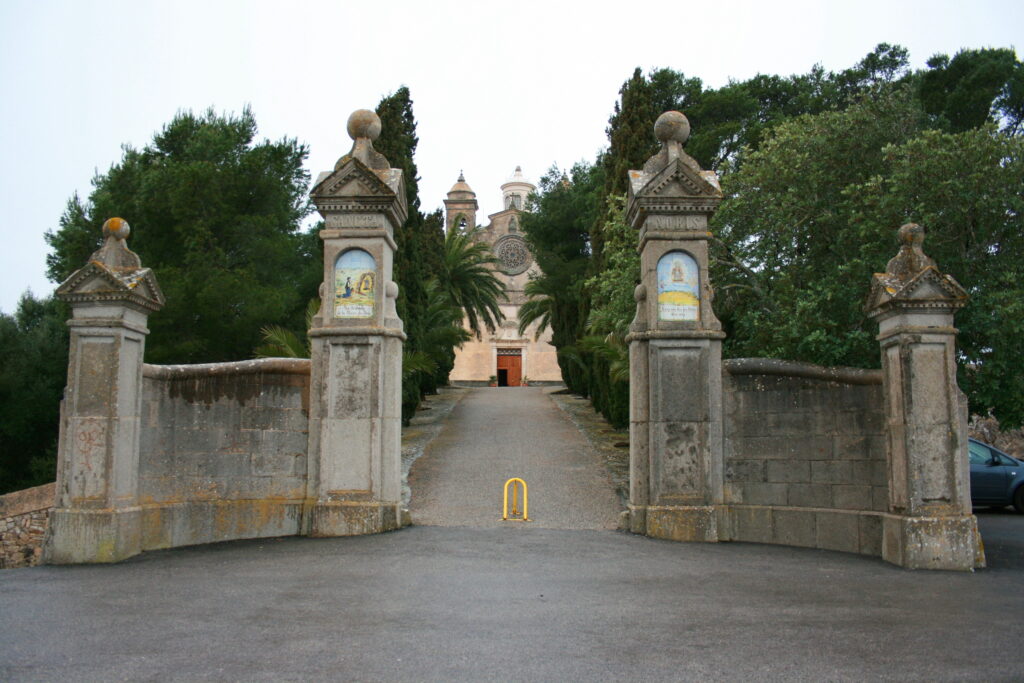
Although the current building is a reconstruction from the 1920s -the previous hermitage was destroyed by lightning-, the environment and the spirit of the place have remained intact: silence, nature and spirituality on top of a mountain surrounded by pine forests. The visit to Bonany is ideal for those who want to disconnect, make a getaway from the coast or even enjoy a meal outdoors in its small recreational area, where there are tables set up in a very well kept environment. You can also access by car to the top, by a paved road that starts from the center of Petra.
An original option: sleeping at the hermitage
The Bonany guesthouse offers rustic accommodation for small groups and travelers looking for something different. It has five single rooms with single beds (four doubles and one triple), shared bathroom in the hallway, and a kitchen with utensils, refrigerator, fireplace and dining room. The price is very economical: 15 € per person per night.
They also have two additional rooms for groups or events, which can be booked by contacting them directly. Reservations can be made by telephone on 971 82 65 68, and the use of some of the outdoor facilities is currently ‘at will’. A unique proposal, ideal for those who want to experience the most authentic and contemplative Mallorca, with views that are worth the trip.
Festivals and traditions
Santa Margalida is famous for its celebrations, which combine religious fervour, folklore and agricultural traditions.
- Patron saint’s day (20 July): dedicated to Santa Margalida, with cultural, sporting and religious activities.
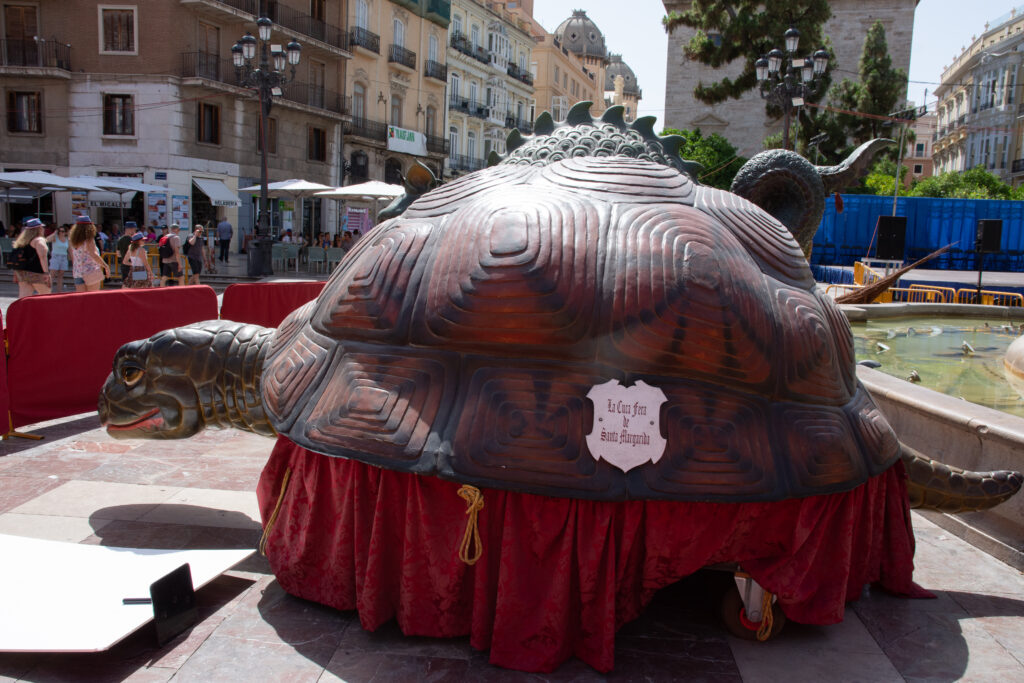
- Procession of La Beata (first Sunday in September): the town’s most famous festival and one of the most important in Mallorca. It honours Santa Catalina Tomás, the first Mallorcan saint. The procession includes demons with cowbells who break plates and pots, accompanying the figure of La Beata.
- Festa des Segar and Festa des Sementer: agricultural celebrations that recreate traditional harvesting and sowing tasks.
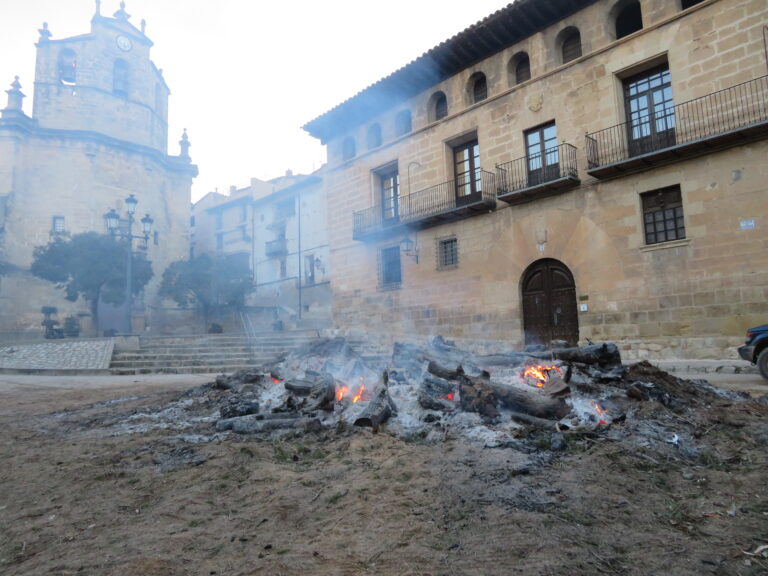
- Sant Antoni (January): bonfires, music and demons to scare away evil spirits.
- Carnival (March): parades and costumes fill the streets.
Nature and beaches
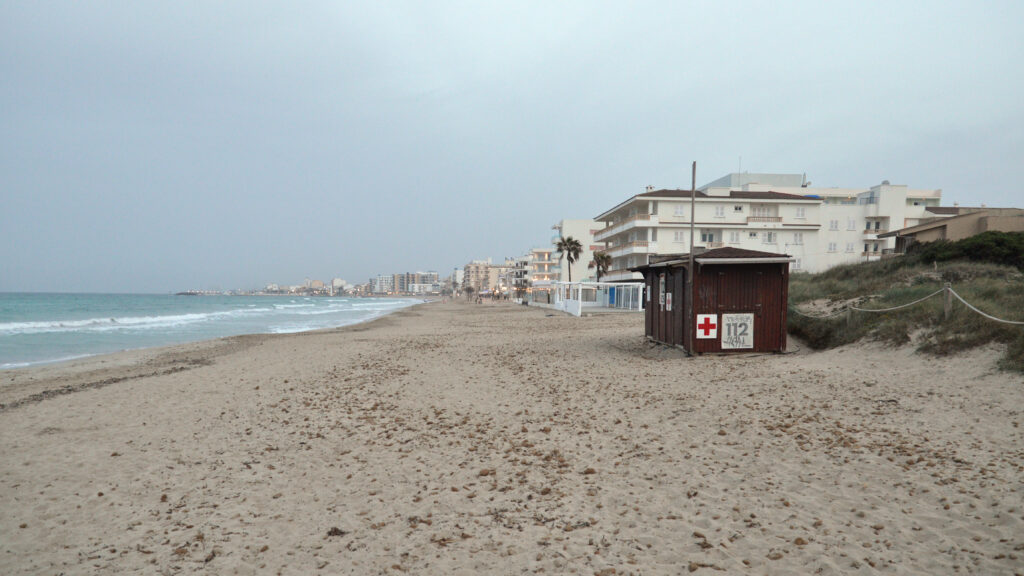
The municipality of Santa Margalida has seven main beaches, most of them with white sand and crystal-clear waters:
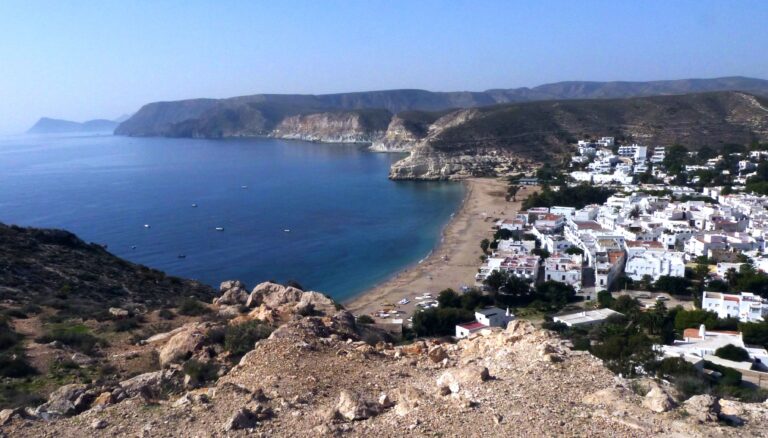
- Santa Margalida Beach (below in the photo)
- Son Bauló
- Na Patana
- Las Azucenas (s’Arenal d’es Casat)
- Cala Serralot
- Son Real
- Son Serra de Marina
In addition, nearby gems include Playa de Muro and the s’Albufera Natural Park, one of the most important wetlands in the western Mediterranean and a birdwatching paradise.
Gastronomy and restaurants
In the centre of the village, the gastronomic offer is limited but authentic. Among the most recommended:
- Sa Granja Calafat: tapas and Mallorcan cuisine in a family atmosphere.
- Can Pep: specialising in fresh fish and traditional recipes.
For more variety, simply head to Can Picafort or Playa de Muro, where there are plenty of seafront restaurants such as Ponderosa, Can Gavella and Royal Beach Gastrosenses.
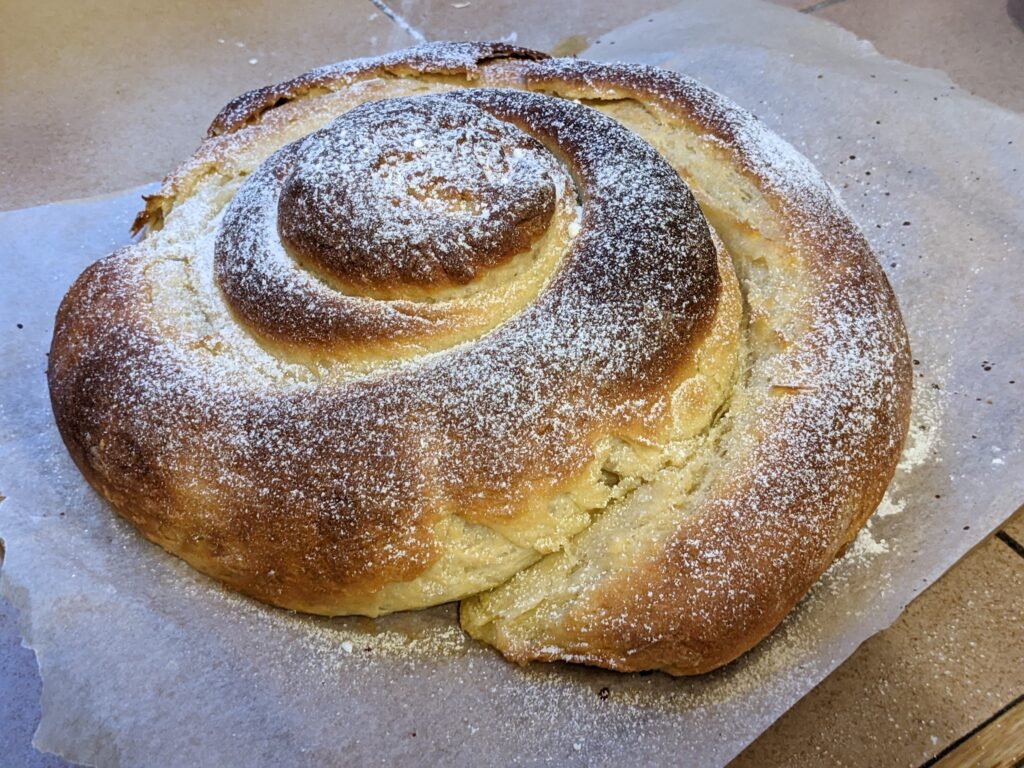
Where to stay if you visit Santa Margalida?
Although the village of Santa Margalida preserves its rural and peaceful essence, the accommodation on offer is very limited. Therefore, the best option for those looking for hotels, flats or accommodation with more services is Can Picafort, located just 10 minutes away by car.
Can Picafort combines an excellent tourist infrastructure with quality beaches, promenade, restaurants and a perfect location for exploring the north of Mallorca. If you are planning to spend several days in the area, we recommend you take a look at our complete guide to Can Picafort, where you will find everything you need to know to stay, move around and enjoy yourself to the full.
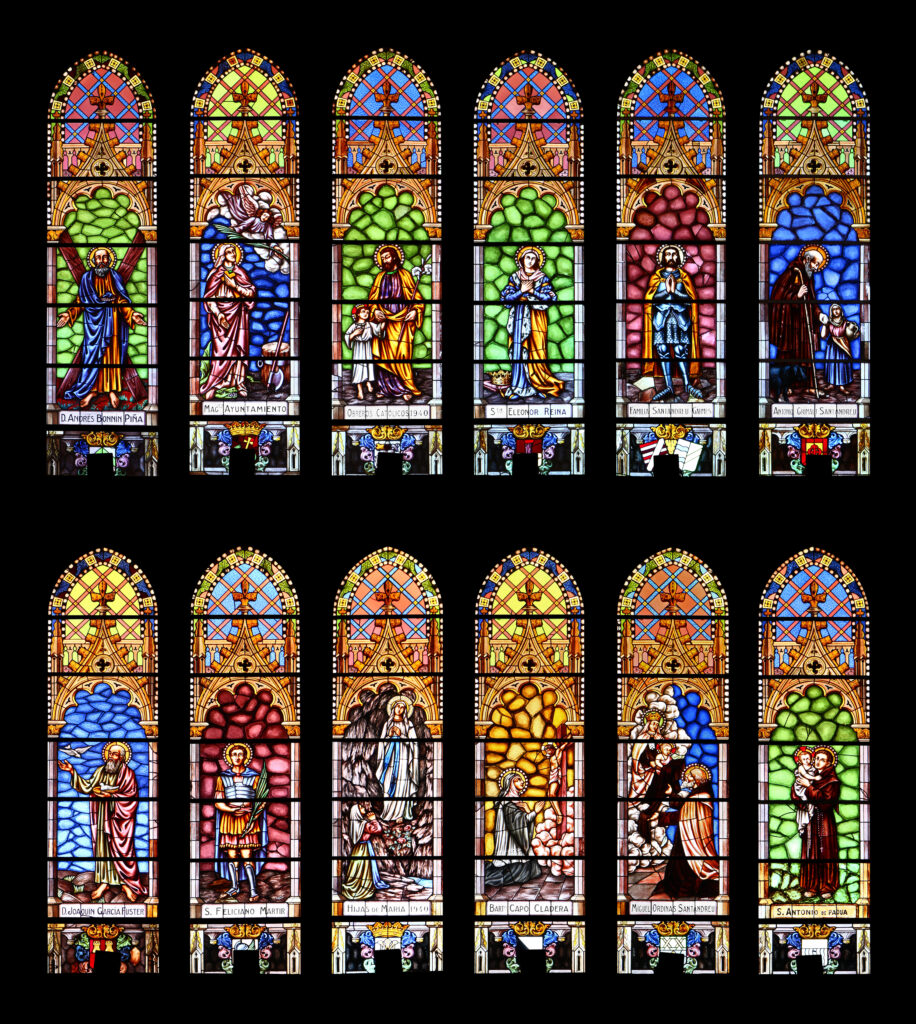
How to get to Santa Margalida
Santa Margalida is 47 km from Palma Airport, which is about 45 minutes by car on the Ma-3011 road.
- By car: it takes less than an hour to get there from Palma or the airport.
- By public transport: first take the EMT A1 bus to Plaza de España in Palma, and from the Intermodal Station connect with the TIB 390 bus to Santa Margalida. The entire journey takes about 2½ hours.
- By taxi: the journey from the airport costs around €85.
- Parking: free on public roads.
What to see in Mallorca
During your visit to the island, here are a number of places that we have included on our map in case you want to add them to your itinerary:
-Paradise beaches and coves
- Cala Romántica: this is a hidden cove with pine-covered cliffs and crystal-clear blue waters that invite you to lose yourself.
- Cala Blava: a peaceful, family-friendly atmosphere makes this the perfect retreat for those seeking to escape the island’s more crowded beaches.
- Portal Vells: coastal area with crystal clear waters, three picturesque coves and a historic cave.
- Camp de Mar: chosen by travellers seeking dream beaches, quality cuisine and peaceful surroundings.
- Cala Mesquida: a beach experience in a still wild setting, far from the hustle and bustle of more urbanised areas.
-Charming Places
- Cala Figuera: charming fishing port, known for its natural beauty and peaceful atmosphere.
- Sa Pobla: a place with cultural heritage and a unique natural environment such as the Parc Natural de s’Albufera.
- S’Illot: a place that combines a unique archaeological past, quiet beaches and a relaxed atmosphere.
- Porto Petro: surrounded by crystal-clear coves and framed by the Mondragó Natural Park.
- Estellencs: an idyllic coastal village nestled in Mallorca’s Sierra de Tramuntana mountains.
- Santa María del Camí: A village that combines history, wine-making tradition, craftsmanship and local atmosphere.
- Sierra de Tramuntana: Explore and discover the mountainous heart of the island.
- Esporles: A village surrounded by holm oak forests, stone houses and paths that wind through the mountains.
-Tourist Attractions
- Artà: here you will find a complete destination, ancient history, charming cobbled streets, unspoilt natural landscapes, wild coves and a unique cultural heritage.
- Sant Elm: once a humble fishing port, it has been transformed over the years into a peaceful tourist destination.
- Sa Ponsa: a cosmopolitan and vibrant place, full of hotels, restaurants, yacht clubs and golf courses.
- Magaluf: Mallorca’s premier resort, with turquoise waters and fine sandy beaches, modern facilities, shows, theme parks and nightlife.
- Can Picafort: one of the island’s major tourist resorts, just a few decades ago it was a humble fishing village.
- Llucmajor: the perfect balance between history, nature, and quality of life, making it an ideal place to visit or live.
Santa Margarita, an authentic corner of Mallorca
Santa Margalida is a destination that surprises visitors with its dual personality: a rural village steeped in history and tradition, yet also a municipality with access to the sea, home to both the bustling Can Picafort and the wild Son Serra de Marina. Its popular festivals, the archaeological wealth of Son Real, its local markets and the possibility of exploring unspoilt beaches make Santa Margalida a unique place to discover the essence of Mallorca.
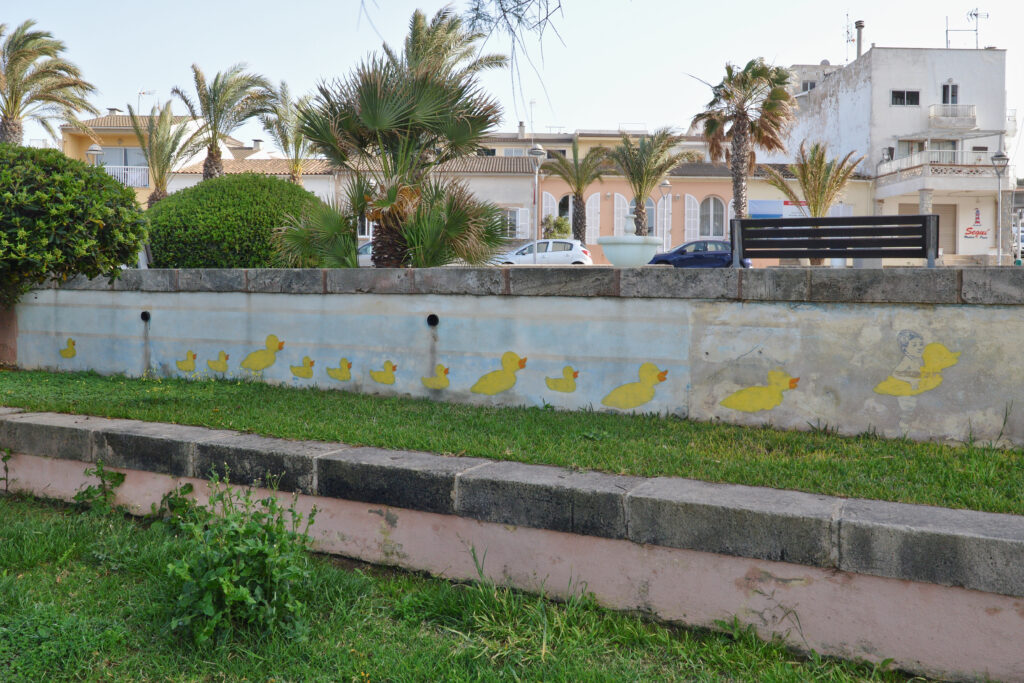
Those who visit this corner of the Pla will find an authentic atmosphere, perfect for alternating the calm of rural life with the vitality of the Mediterranean.
Photo Credits
Below are the photo credits in order of appearance. Royalty-free photos will not be listed below:
- Ryan Hodnett, CC BY-SA 4.0, via Wikimedia Commons
- Joan Gené, CC BY-SA 4.0, via Wikimedia Commons
- trolvag, CC BY-SA 3.0, via Wikimedia Commons
- H. Zell, CC BY-SA 3.0, via Wikimedia Commons
- Frank Vincentz, CC BY-SA 3.0, via Wikimedia Commons
- H. Zell, CC BY 3.0, via Wikimedia Commons
- Joan Gené, CC BY-SA 4.0, via Wikimedia Commons
- Govern de les Illes Balears, CC BY-SA 4.0, via Wikimedia Commons
- Der Barbar, CC BY-SA 4.0, via Wikimedia Commons
- Frank Vincentz, CC BY-SA 3.0, via Wikimedia Commons
- Elgaard, CC BY-SA 4.0, via Wikimedia Commons
- Elgaard, CC BY-SA 4.0, via Wikimedia Commons
- Jerónimo Roure Pérez, CC BY-SA 4.0, via Wikimedia Commons
- Ryan Hodnett, CC BY-SA 4.0, via Wikimedia Commons
- H. Zell, CC BY-SA 3.0, via Wikimedia Commons
- Ryan Hodnett, CC BY-SA 4.0, via Wikimedia Commons
In this article you will find some affiliate links. If you book or buy something through them, you help us to continue creating independent and useful content, at no extra cost to you. Thank you very much for making this possible!


.jpg)


.jpg)


