S’Agaró, Girona: Mediterranean elegance between Sant Feliu de Guíxols and Platja d’Aro
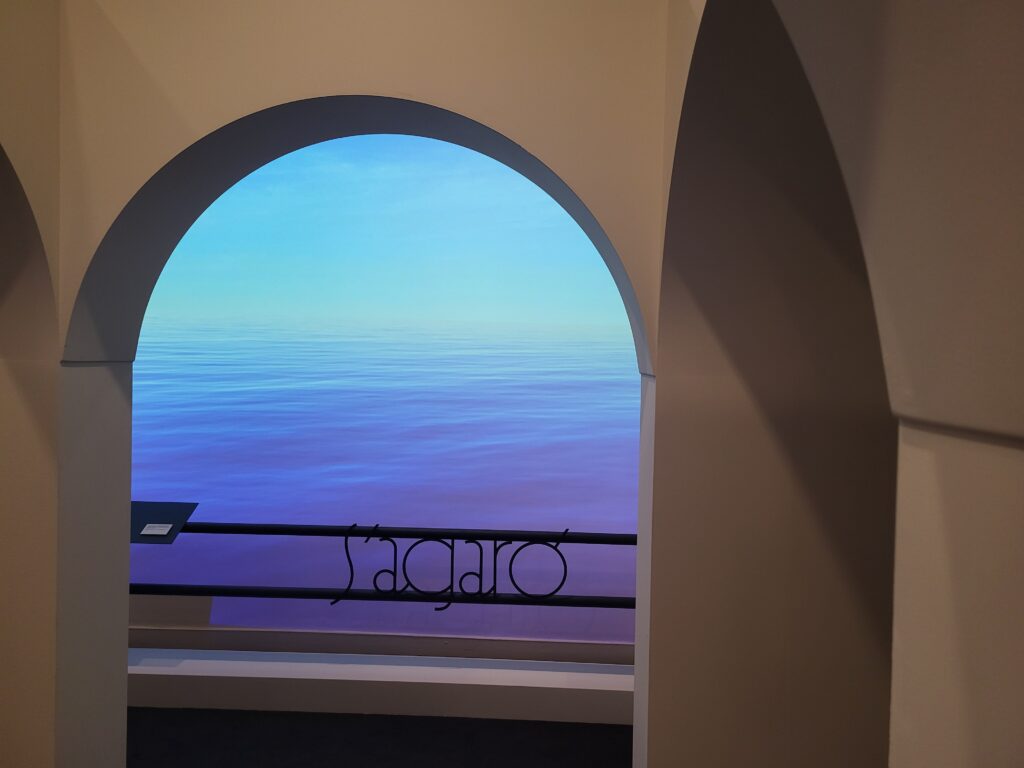
Among the most beautiful cliffs and coves of the Costa Brava in Mallorca, S’Agaró stands out as one of the most exclusive and photogenic enclaves on the Catalan coast. Halfway between Sant Feliu de Guíxols and Platja d’Aro, this small coastal town in Girona combines the natural charm of the Mediterranean with the elegance of its Noucentista architecture, the tranquillity of its seaside promenades and the refined atmosphere that has accompanied it since its creation in the early 20th century. S’Agaró is, in essence, a Catalan garden city, an urban and architectural experiment that, a hundred years after its conception, keeps the promise of its visionary founders intact.

A town born of the dream of Mediterranean beauty
Unlike other towns on the Costa Brava that grew up around old fishing villages, S’Agaró was a planned creation from the outset. Its history began in 1920, when the industrialist Josep Ensesa i Pujadas, owner of the land between Platja de Sant Pol and Platja de Sa Conca, commissioned the architect Rafael Masó—one of the great exponents of Catalan Noucentisme—to design a residential complex that would blend in with the natural environment.
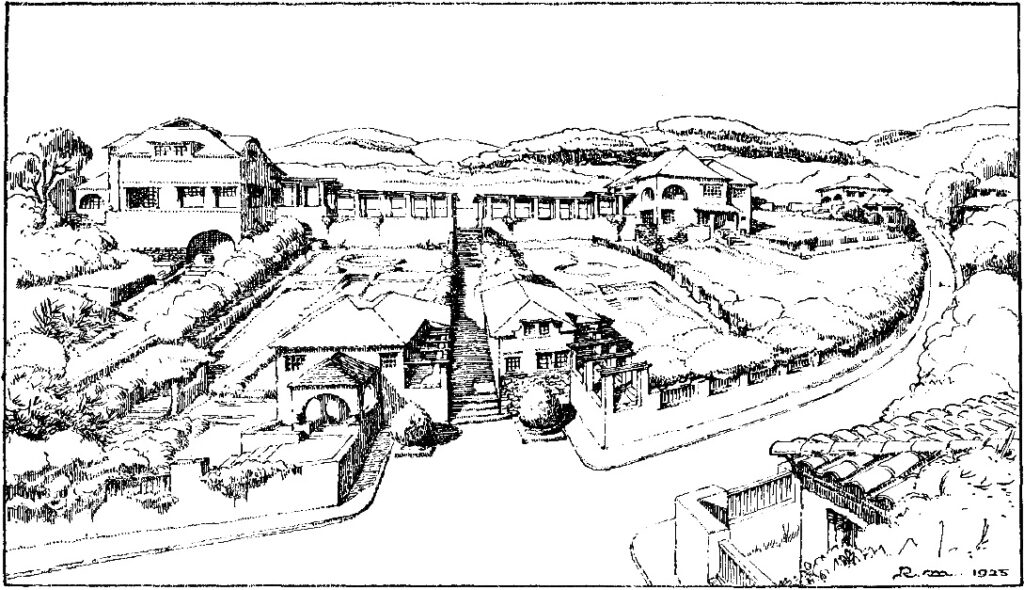
The result was a development that was unique in its time, where Mediterranean architecture was combined with classical elegance and a respectful approach to the landscape. Masó conceived S’Agaró as a space of balance between nature, art and well-being, with stone houses, Arabic-style tiled roofs, porticos, gardens and sea viewpoints. Thus was born one of the first luxury developments in the Mediterranean, which over time would become a symbol of the most refined lifestyle on the Costa Brava.
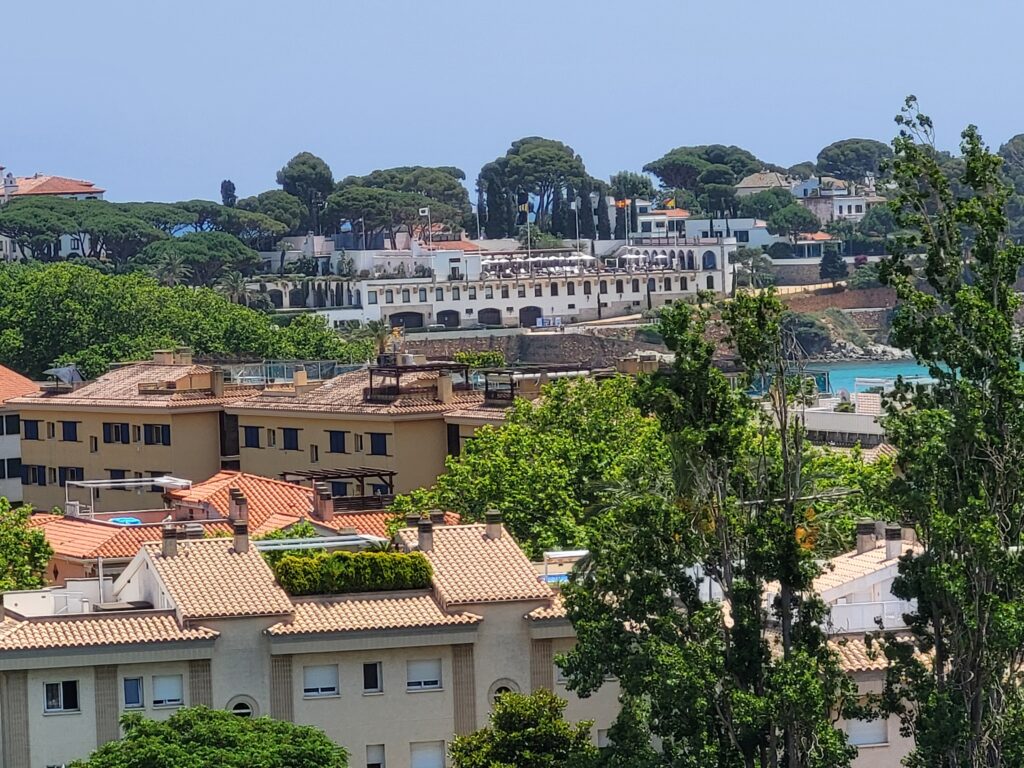
Over the following decades, S’Agaró attracted intellectuals, artists and aristocrats, and its name became associated with elegance and exclusive relaxation. Even during the post-war period, the place retained its exclusive aura, preserving its architectural harmony and natural environment intact.
Living history and Noucentista architecture
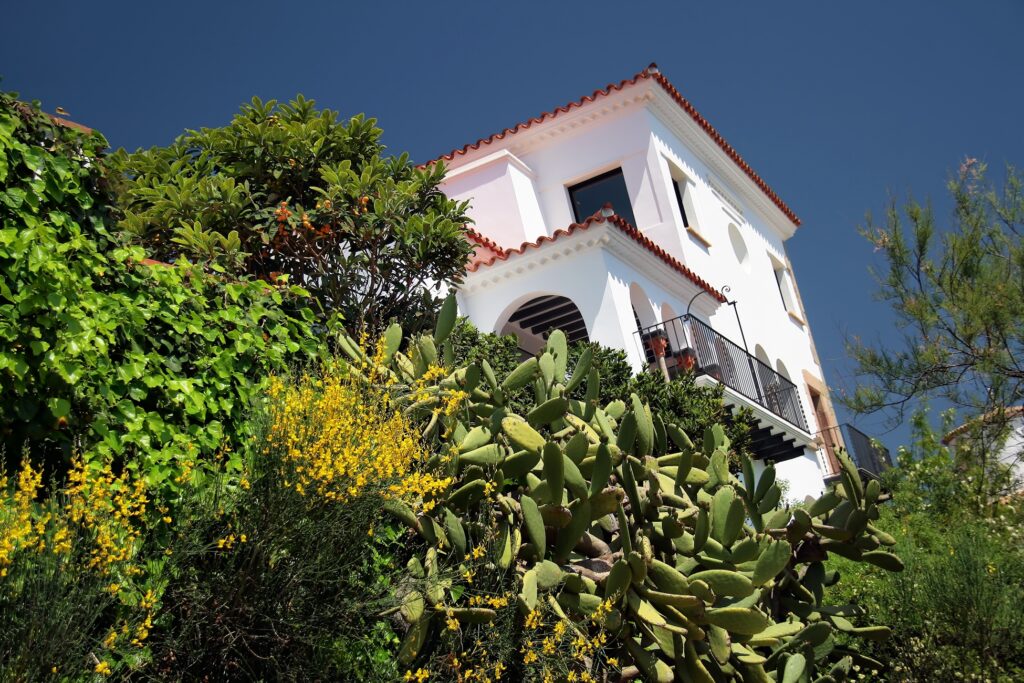
Beyond its natural beauty, S’Agaró stands out for its architectural coherence. The original buildings, designed between the 1920s and 1940s, were carefully integrated into the landscape and maintained under strict aesthetic standards: nothing could alter the visual harmony or the relationship with nature.
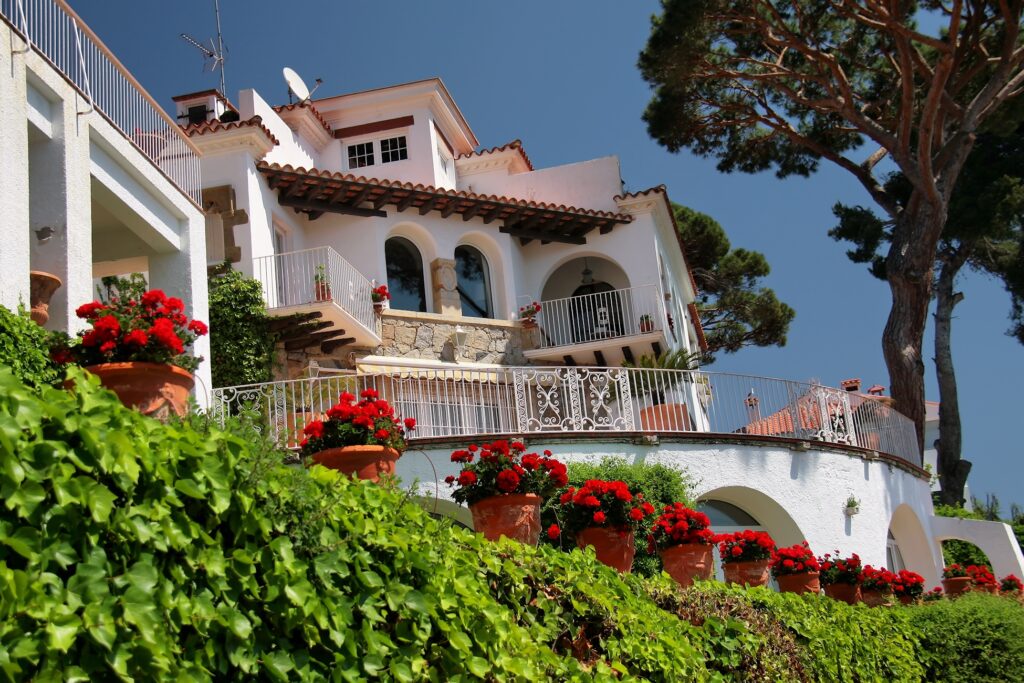
Noucentisme, an artistic and architectural movement that sought serenity and classical order in contrast to modernism, was embodied here in soft forms, interior courtyards, arches and balanced proportions. As a result, S’Agaró became a benchmark for European landscape urbanism in the early 20th century.
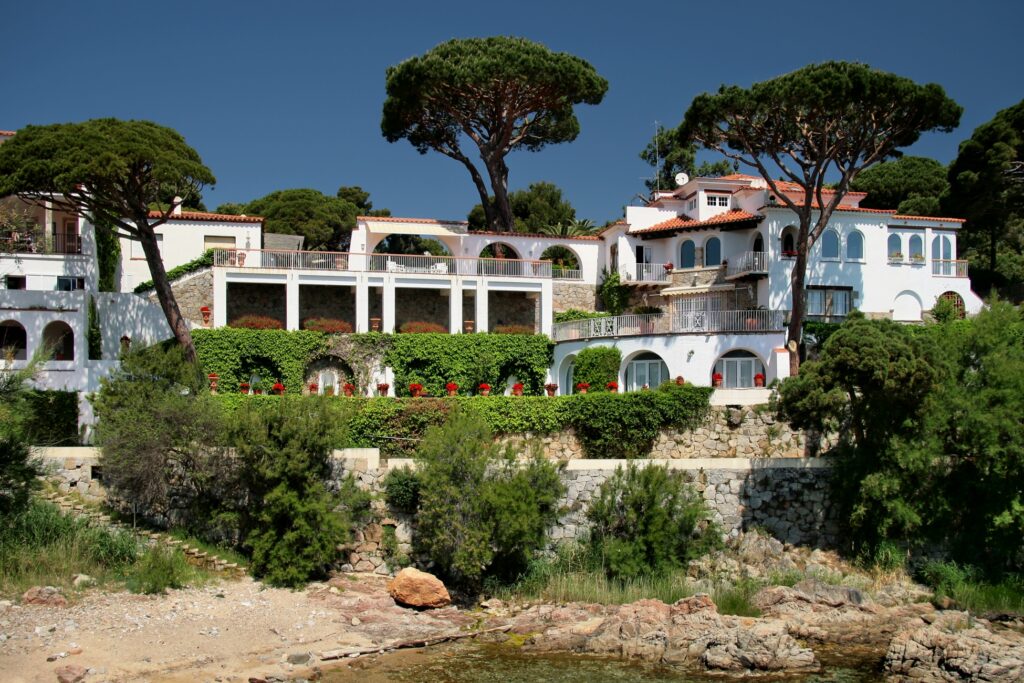
The original residential complex, which includes villas such as Domus Nostrum, Faixat and Gorina, together with the communal facilities, was declared a Protected Historic Site and Cultural Asset of National Interest in 1995/1996, a testament to its exceptional state of preservation. Unlike other areas of the coast, where ‘bourgeois anarchy’ and developmentalism destroyed the landscape, S’Agaró has maintained a unity of style for almost a century.
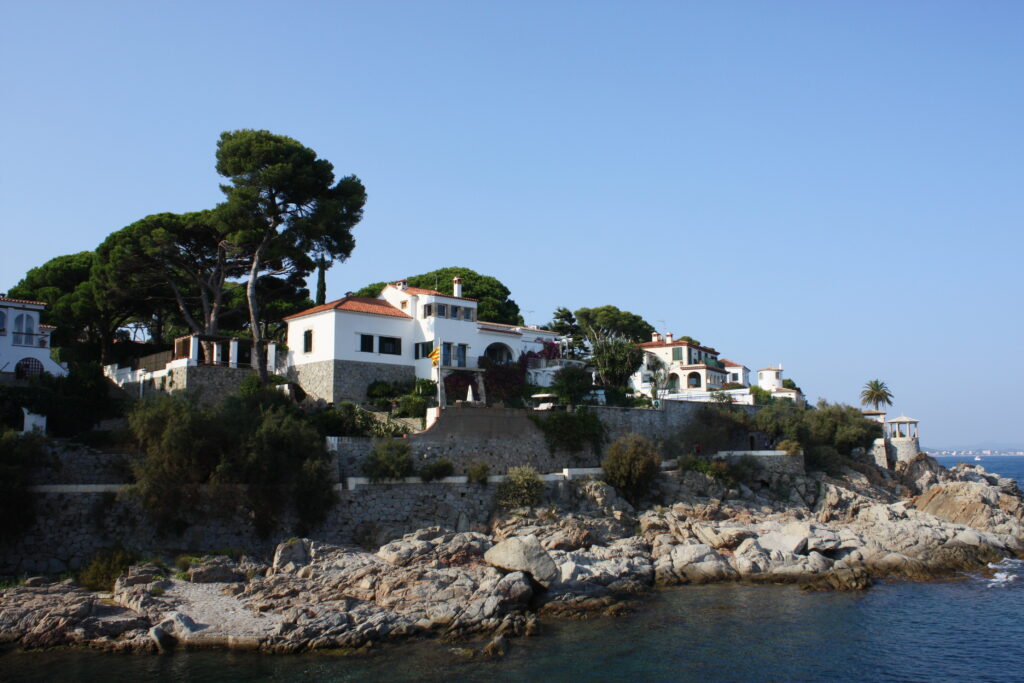
What to see in S’Agaró: a stroll through Mediterranean tranquillity
1. The S’Agaró Coastal Path
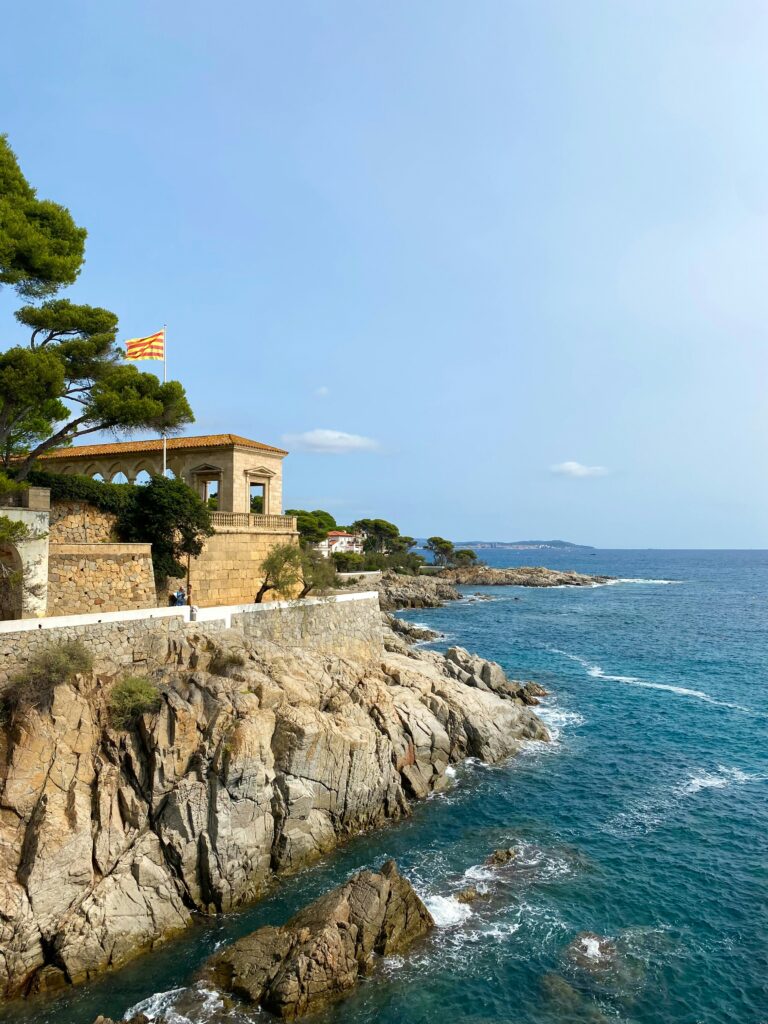
The harmony between architecture and nature is exemplified in the urbanisation’s public jewel: the Coastal Path (Camí de Ronda). This section, about two kilometres long and named after the visionary Josep Ensesa i Gubert, is considered one of the most beautiful coastal paths on the entire Costa Brava.
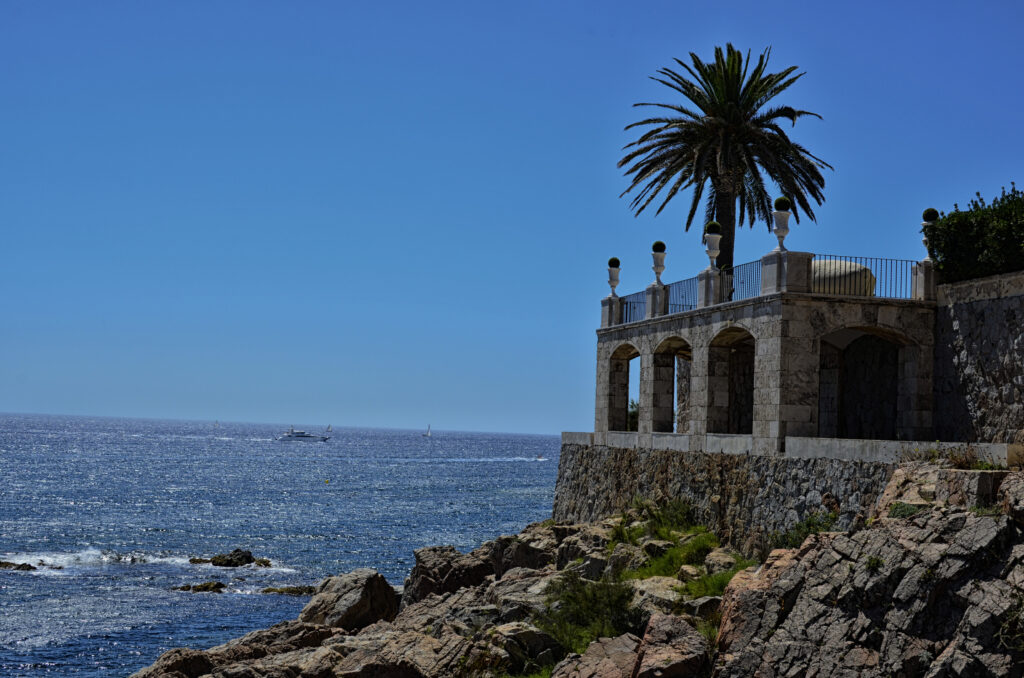
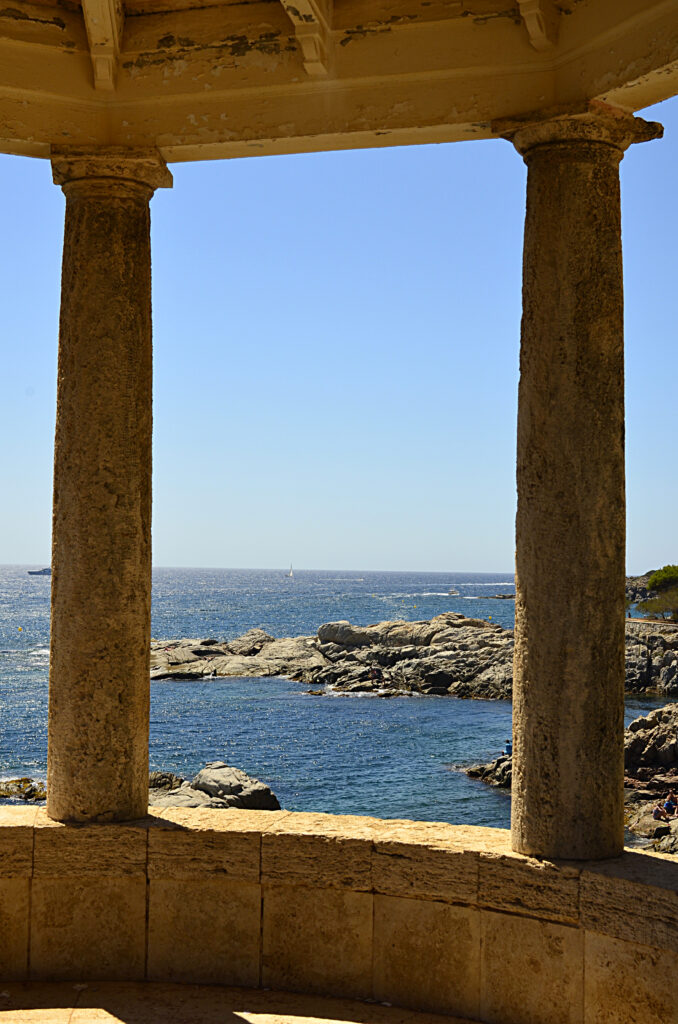
The Camino de Ronda connects the beaches of Sant Pol and Sa Conca (which we will discuss below). The route, designed by architect Francesc Folguera, is not just a simple trail: it is adorned with noucentista architectural elements that integrate it into the whole. Highlights include the porticos, the stairways carved into the cliffs and a picturesque gazebo-shaped viewpoint, all designed to frame the views of the Mediterranean horizon, creating a complete aesthetic experience for the walker.
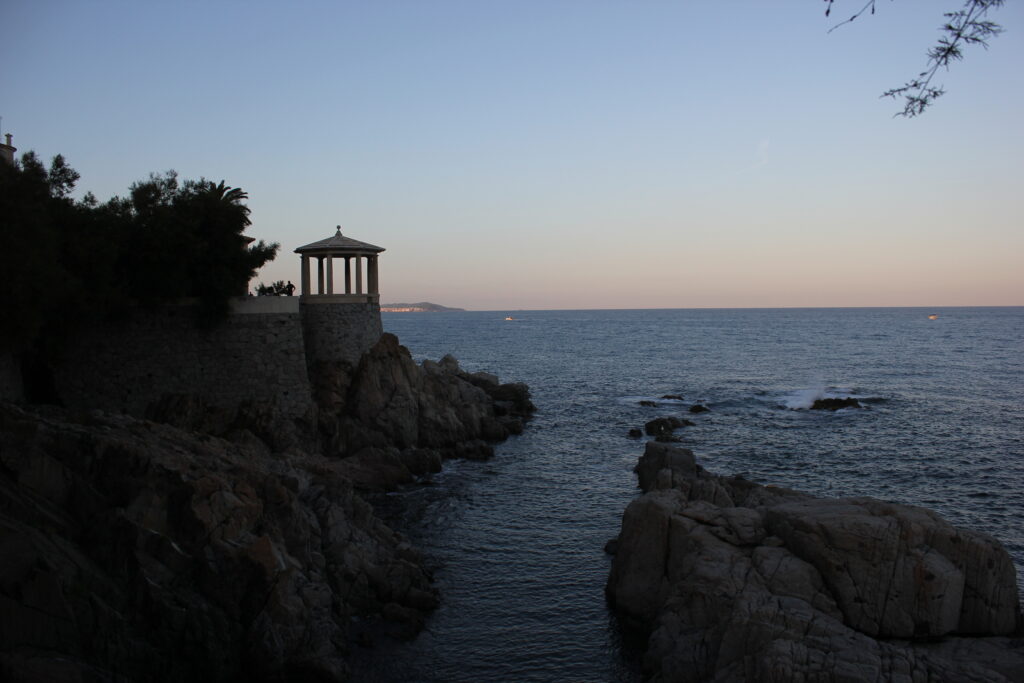
Alongside these two large beaches, the S’Agaró coastline includes the small, quiet coves of Pedrosa and Vaques, where coarse sand and crystal-clear waters are sheltered by pine trees. Cala Pedrosa is even home to a surprising menhir dating from between the 4th and 3rd centuries BC, a reminder that human intervention in this corner of the Mediterranean goes back thousands of years.
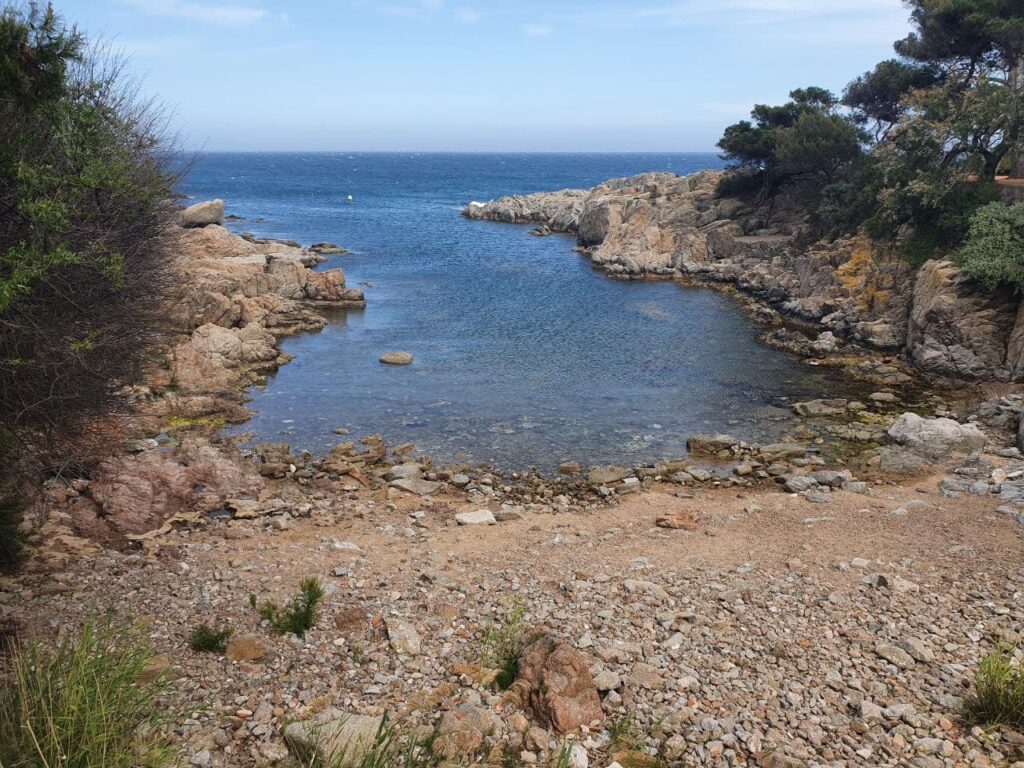
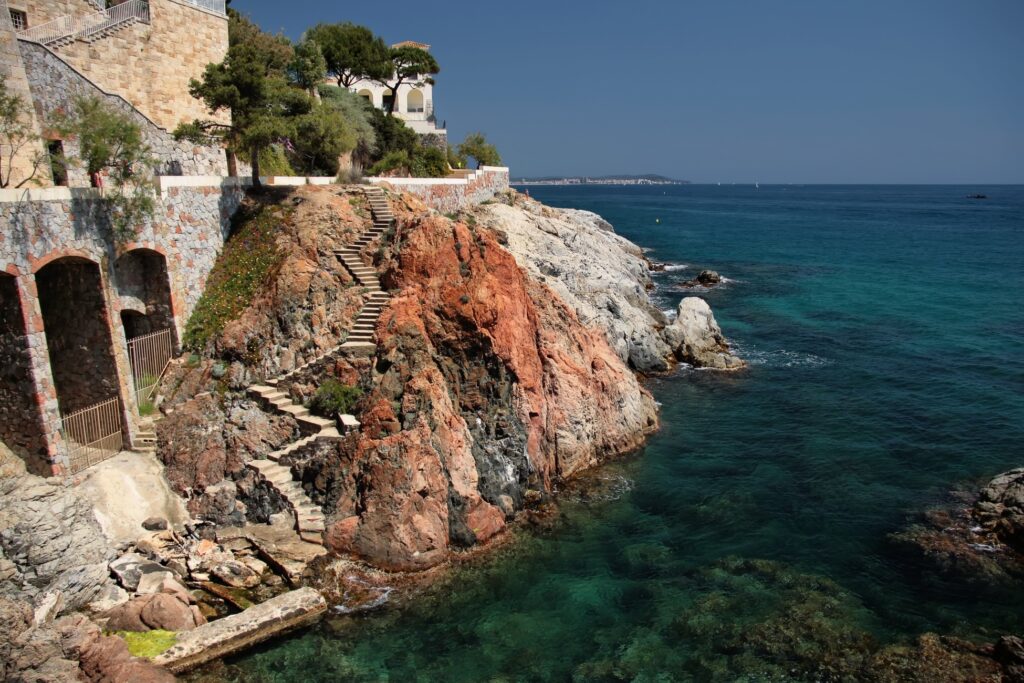
Nearby, pine and holm oak forests surround the road to Romanyà de la Selva, an ideal area for cycling or walking routes. Sant Feliu de Guíxols, with its Benedictine monastery and marina, and Platja d’Aro, with its wide range of leisure activities, shops and restaurants, are also within easy reach.
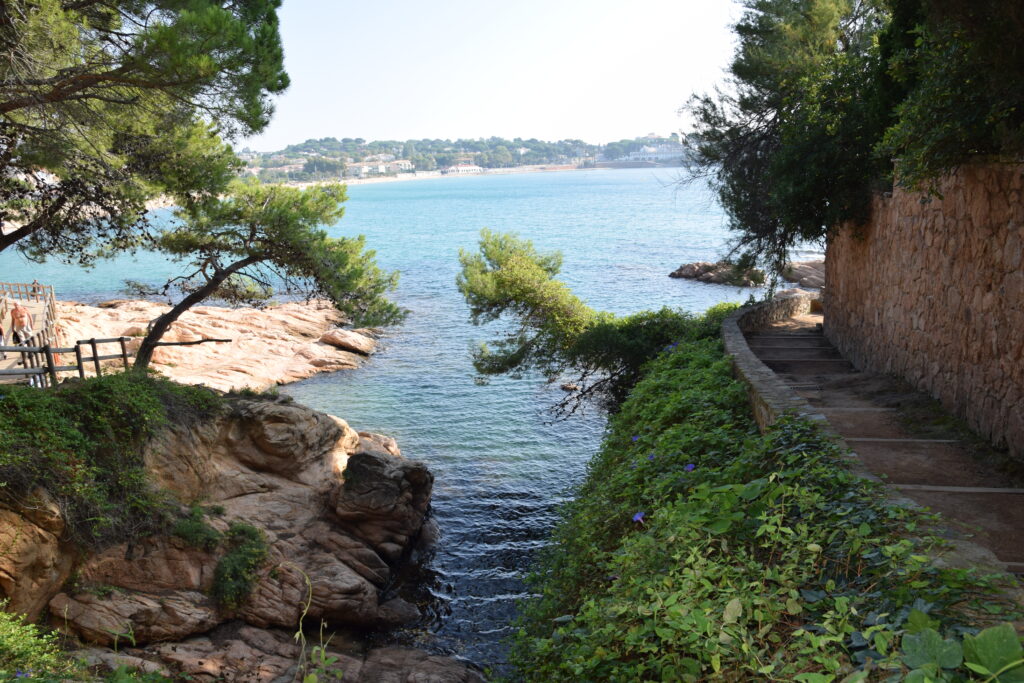
2. Sant Pol Beach
To the north of the town centre lies Sant Pol Beach, a wide bay with crystal-clear waters and golden sand, shared with Sant Feliu de Guíxols. It is one of the most family-friendly and pleasant beaches on the Girona coast, with amenities, beach bars and a pleasant promenade.
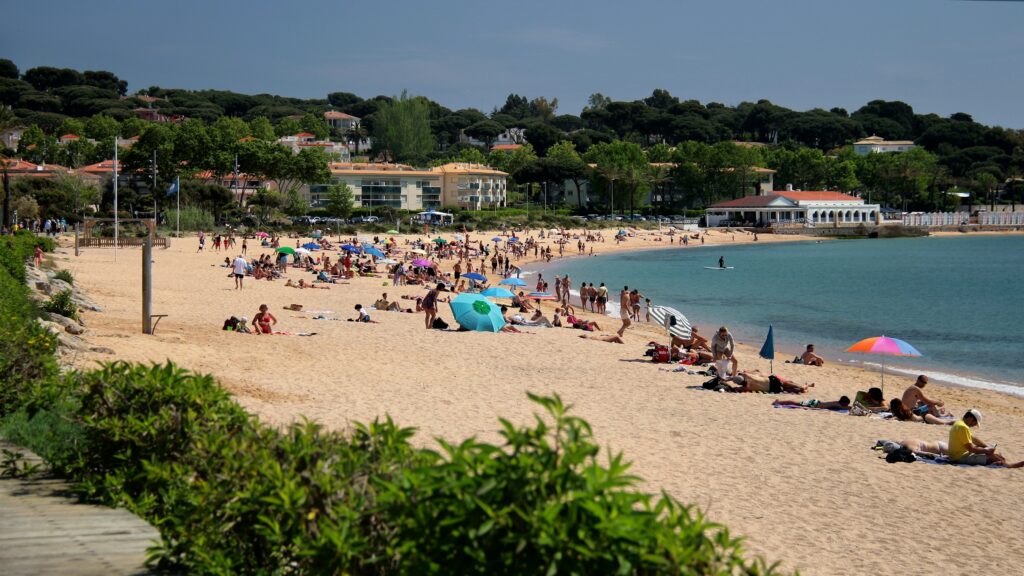
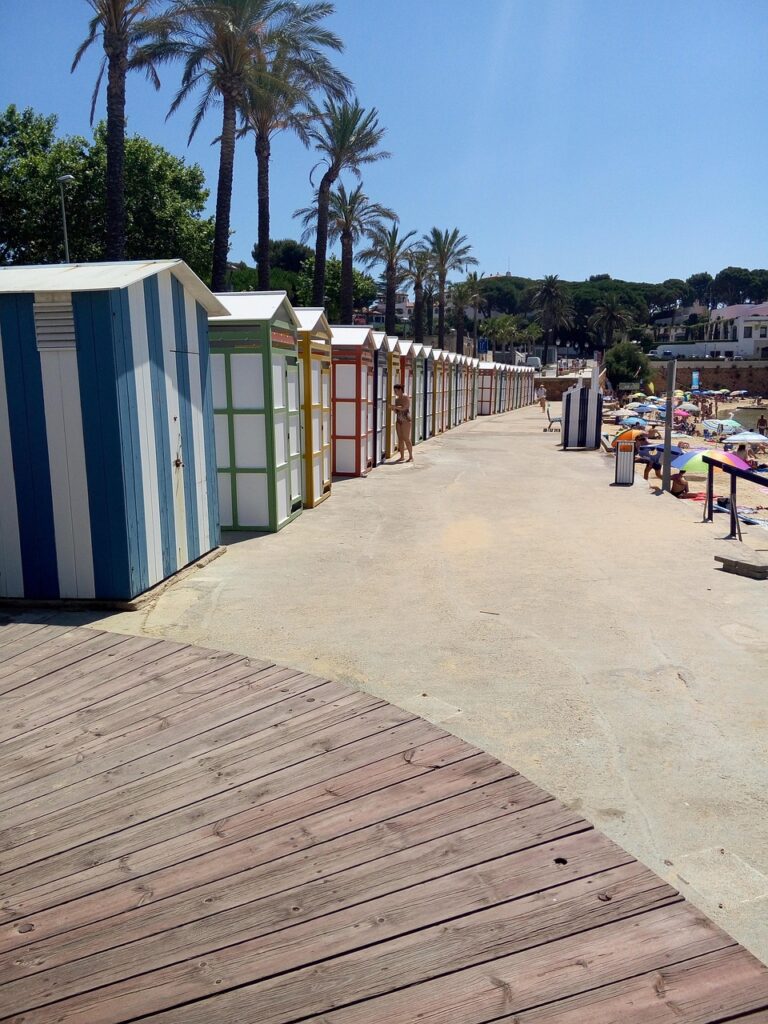
Here you can still see the wooden bathing huts from the early 20th century, small colourful huts that evoke the summer history of the area. The contrast between the natural environment and the quiet life of the beach makes Sant Pol one of the most beloved spots for both locals and visitors.
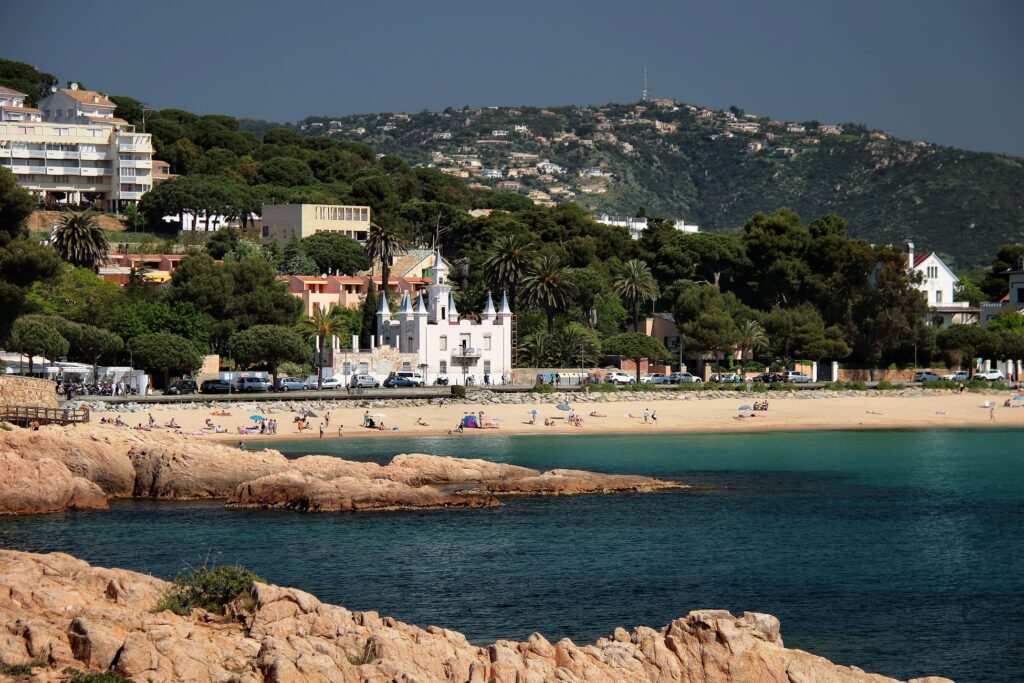
3. Sa Conca Beach
At the southern end is Platja de Sa Conca, another of S’Agaró’s paradises. More wild and surrounded by pine trees, this cove is characterised by its shell shape, crystal-clear waters and quieter atmosphere. From its northern end, the coastal path leads to Platja d’Aro, ideal for those who enjoy coastal hiking.
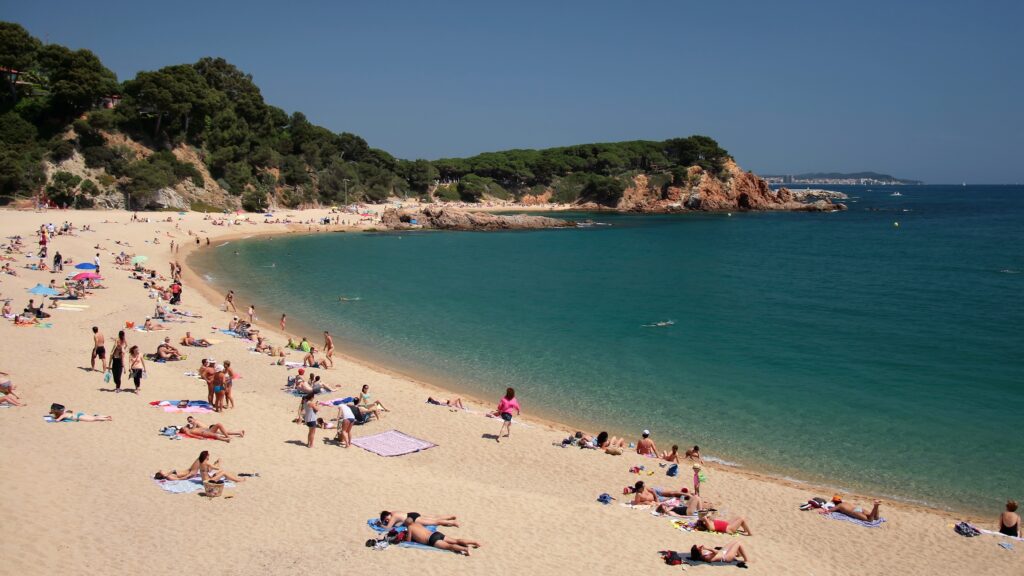
Some of the most exclusive villas on the Costa Brava are located in the surrounding area, many of them inspired by Masó’s original Mediterranean style. It is a perfect beach for enjoying the sea without the crowds, especially outside the months of July and August.
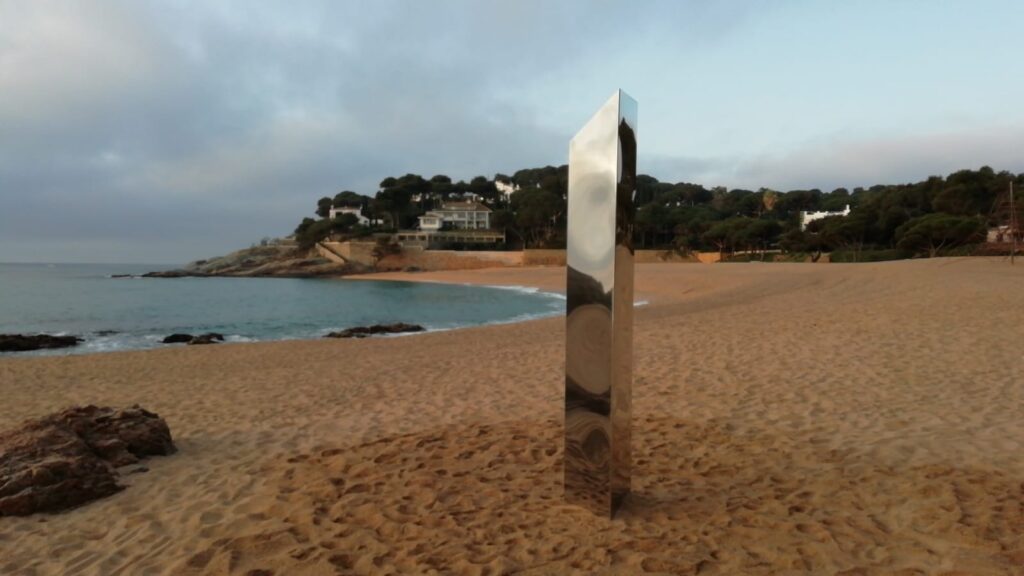
4. The original development of S’Agaró Vell
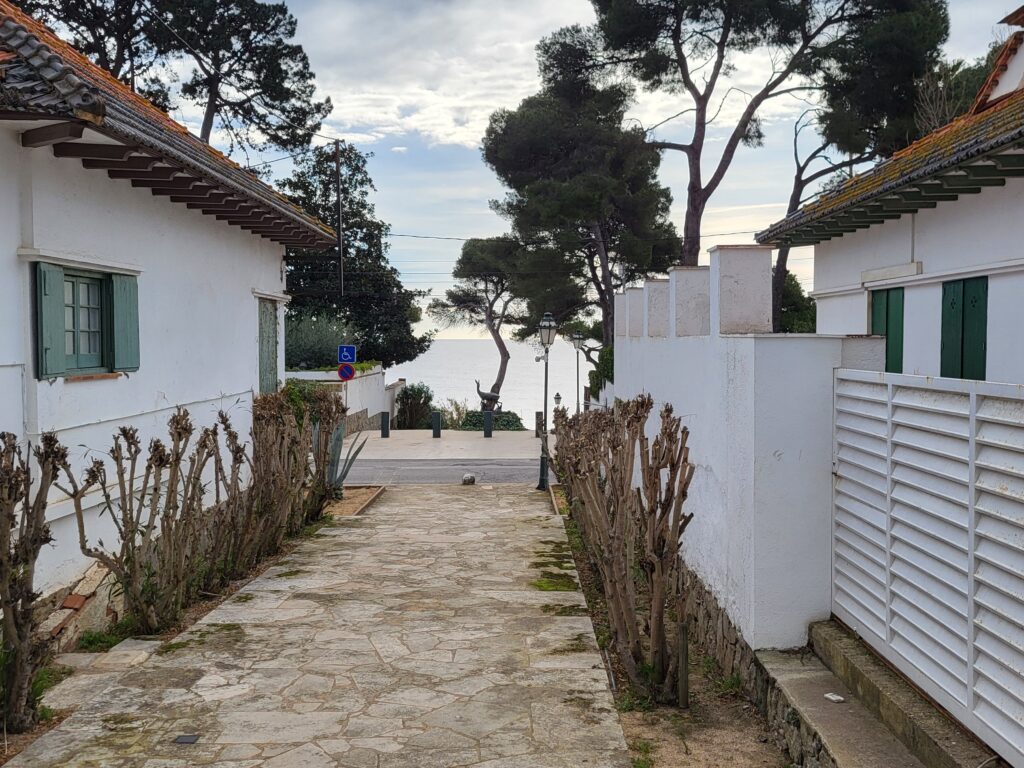
The historic centre, known as S’Agaró Vell, remains a unique example of Mediterranean architectural planning. Its cobbled streets, squares with cypress trees and white or ochre façades convey a serenity that is difficult to find in other tourist areas. This is also the location of the legendary Hostal de la Gavina, one of Spain’s most emblematic hotels.
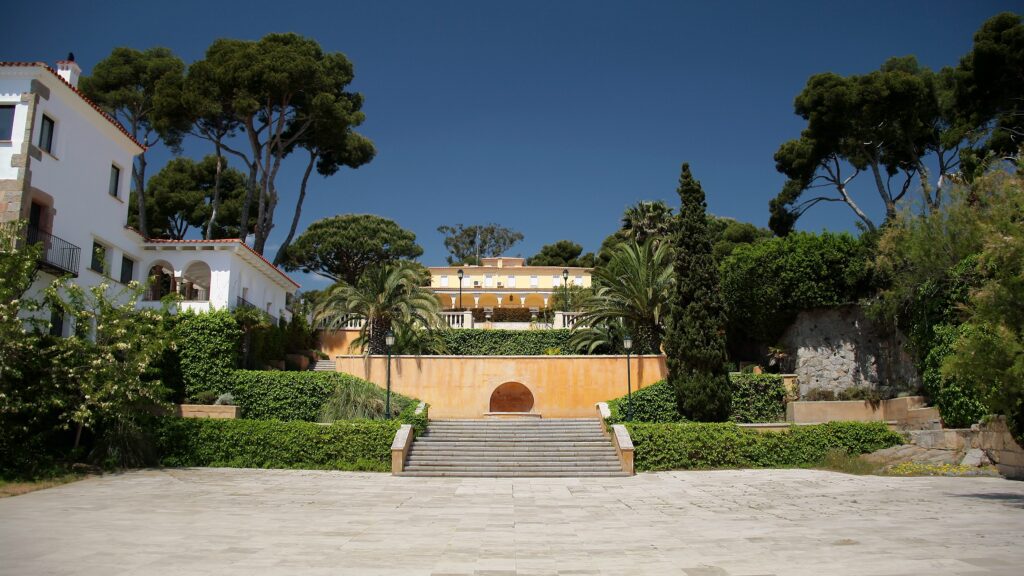
The Nest of Glamour: The Legend of La Gavina
If Senya Blanca was the model and the origin, the Hostal de La Gavina became the beacon and international symbol of S’Agaró. Opened in 1932 with only 11 rooms (today 74 and a 5-star grand luxury rating), the hostel quickly transcended its function as accommodation to become a meeting point for the world’s elite.
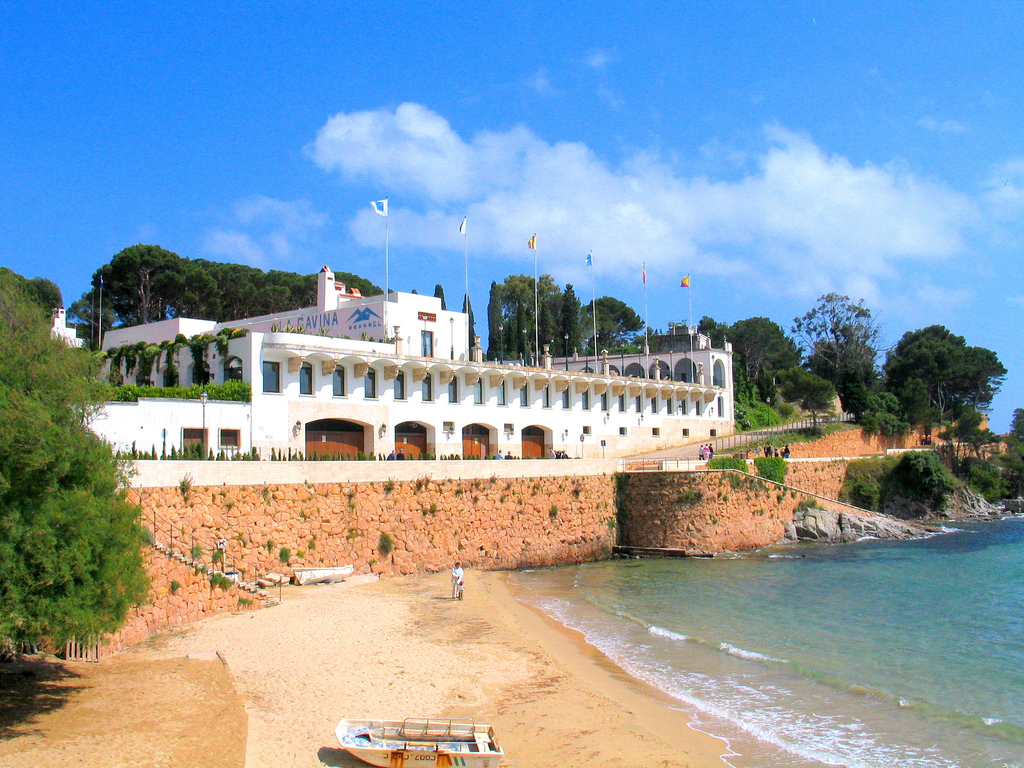
The fame of La Gavina and, by extension, S’Agaró, skyrocketed with the boom in luxury tourism on the Costa Brava. Hollywood celebrities, heads of state and Nobel Prize winners found in this enclave of classic design and white walls a refuge of discretion and sophistication. Figures such as Elizabeth Taylor (who stayed here to film Suddenly, Last Summer in the 1950s), Ava Gardner, Orson Welles and Robert de Niro have strolled through its gardens, cementing its reputation as the nest of glamour in the Catalan Mediterranean.
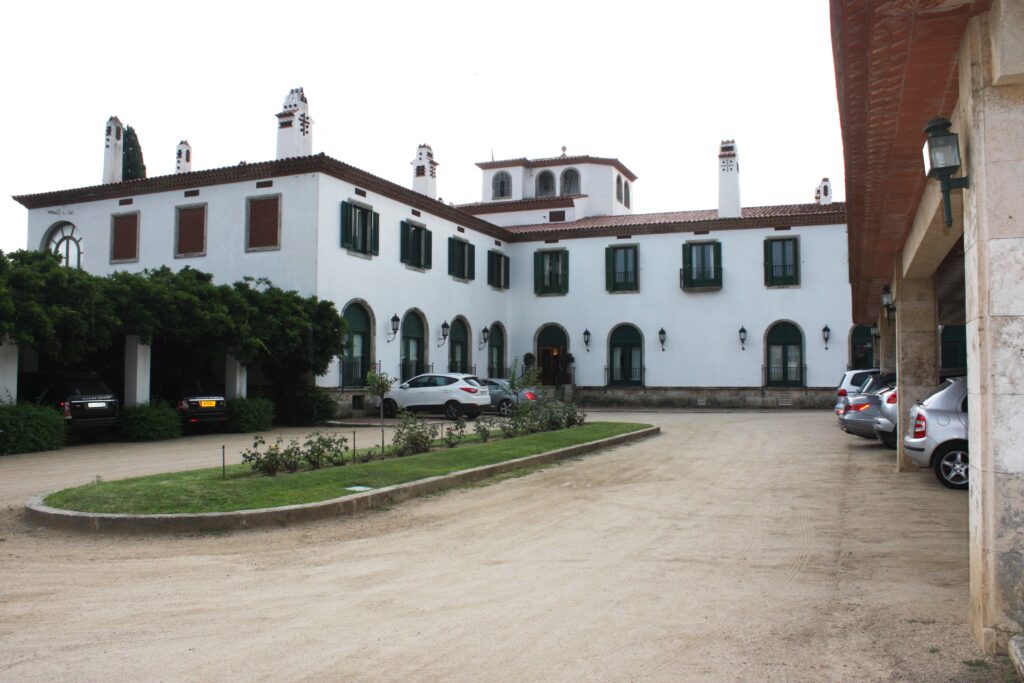
Culture, gastronomy and lifestyle
S’Agaró is spread over a rocky, granite hill, a terrain that Masó knew how to transform into a kind of breathable oasis in the middle of a coastline that, in many other places, has succumbed to the chaos of concrete blocks.
The core, despite being surrounded by land due to subsequent and less planned tourist expansion, remains faithful to its concept of a closed enclosure. The main vehicle access is controlled, reserved for residents and authorised persons, ensuring the privacy and tranquillity that Ensesa sought. However, the pedestrian walkway through the complex and the Camino de Ronda are fully open, allowing any visitor to enjoy this work of urban art.
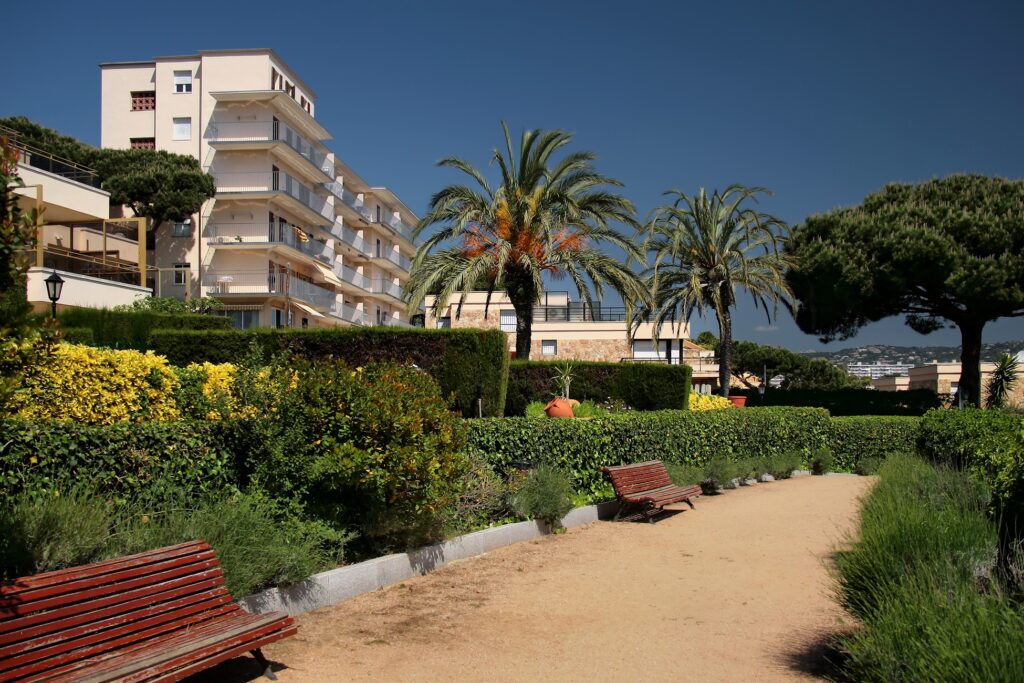
Although small, S’Agaró offers an excellent selection of restaurants and gastronomic spaces that reflect the Mediterranean character of the area. Among the most renowned are establishments specialising in fresh fish, rice dishes and Catalan market cuisine, with products from the sea and the Empordà countryside.
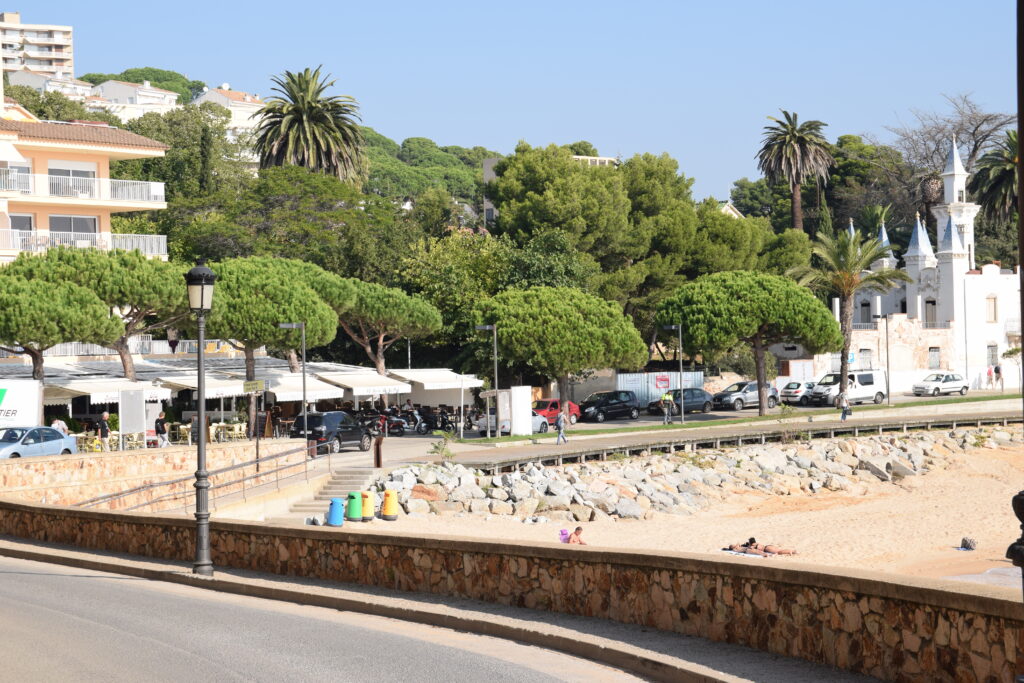
Visitors can enjoy both a gourmet dinner on terraces overlooking the sea and informal tapas in front of the beach. In addition, the proximity to Sant Feliu de Guíxols expands the options with its municipal market and lively cultural offerings during the summer.
In 2024, S’Agaró will celebrate its first centenary, commemorating 100 years since the construction of Senya Blanca. This milestone not only celebrates a date, but also the survival of a model. In the words of the writer Josep Pla, one of the great chroniclers of the Costa Brava: ‘S’Agaró is a natural phenomenon, a consequence of its basic concept: the more it grows, the more beautiful the town centre becomes. Its design has many advantages that always result from replacing anarchic whims with foresight and care.’
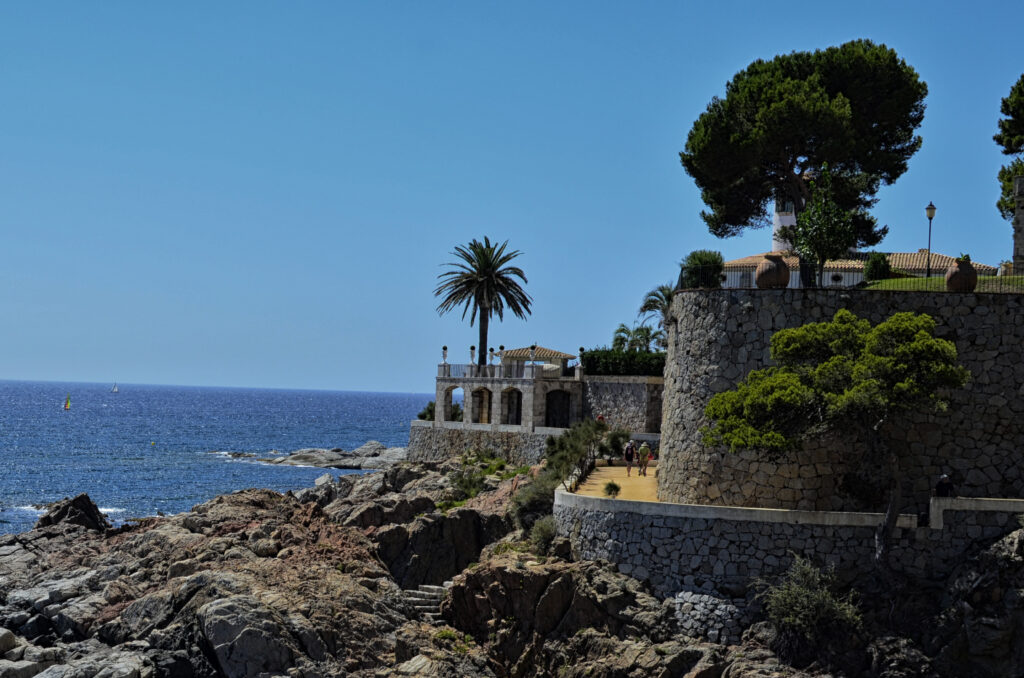
Life in S’Agaró revolves around leisurely enjoyment: walking, reading by the sea, swimming at dawn or strolling along paths lined with pine trees and bougainvillea. It is the kind of destination that appeals to those seeking to disconnect without artifice, surrounded by beauty and tranquillity.
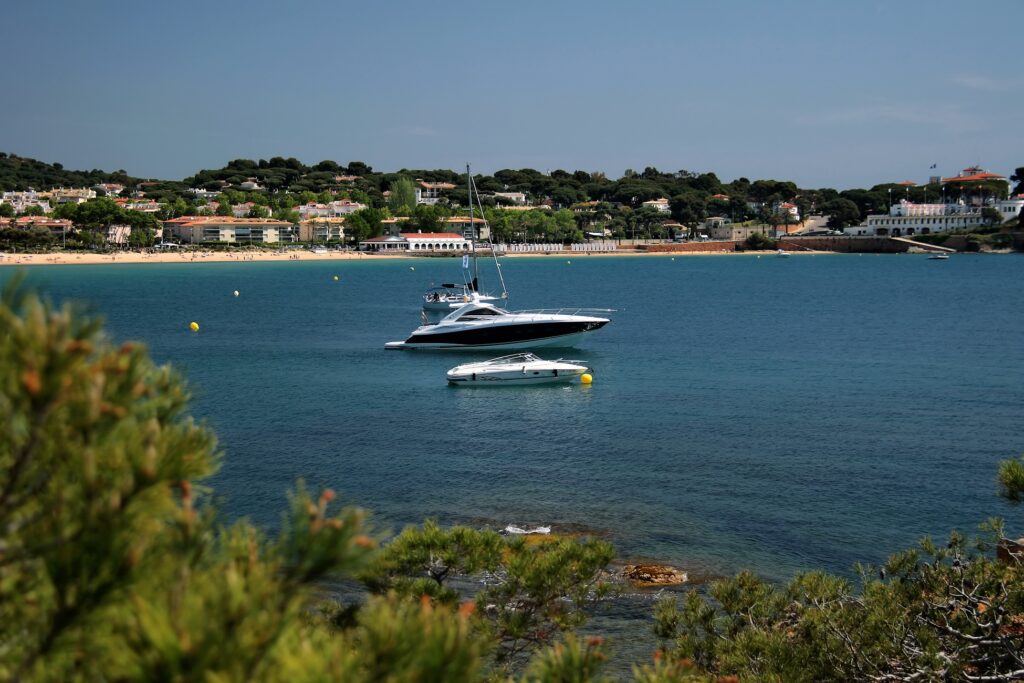
Festivities and traditions
Although it is more residential than popular in character, S’Agaró and its surroundings celebrate several notable festivities. In July, the Festa Major de Sant Feliu de Guíxols is celebrated with concerts, fireworks and family activities that attract residents from all over the region.
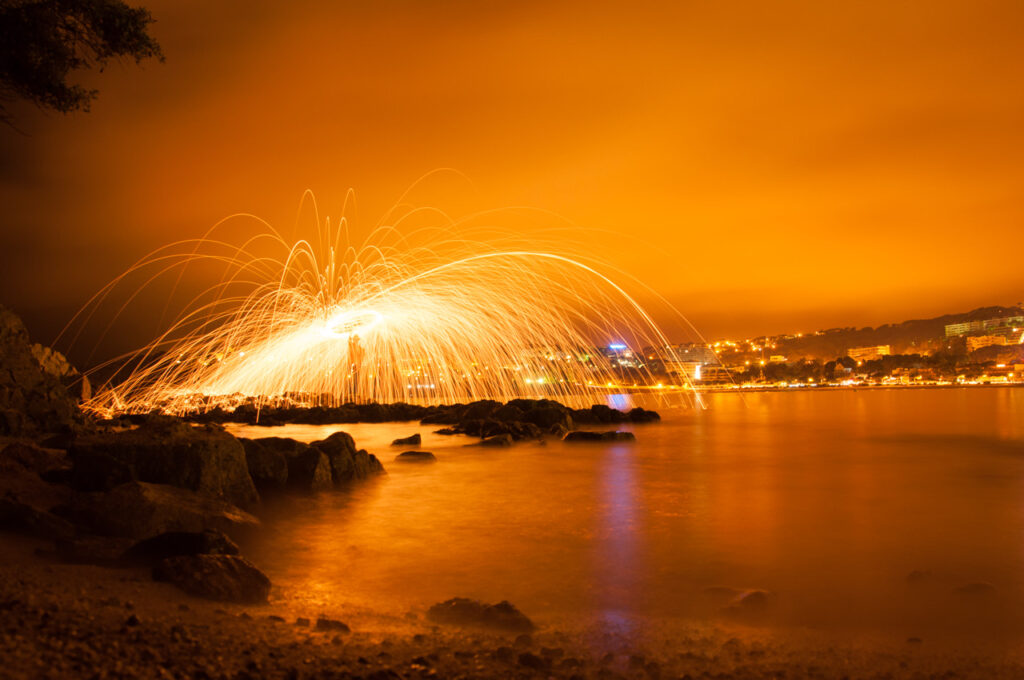
In summer, there are also the Jardins de Cap Roig and the Porta Ferrada International Festival, two renowned musical events that fill the Costa Brava with culture and art.
During the rest of the year, calm dominates the atmosphere. It is in autumn and spring when S’Agaró shows its most authentic side, with pleasant temperatures and a golden light that enhances every corner of the seafront promenade.
What to do around S’Agaró
S’Agaró is an excellent starting point for exploring the central Costa Brava and some of the most picturesque villages in Girona.
- Sant Feliu de Guíxols: with its impressive monastery, promenade and the Carmen Thyssen Museum, it is a must-see.
- Platja d’Aro: offers nightlife, shops, restaurants and a livelier atmosphere, ideal for combining relaxation and leisure.
- Begur and Calella de Palafrugell: to the north, these are two coastal gems with coves, cobbled streets and an incomparable seaside charm.
- Peratallada or Pals: inland, these medieval villages are ideal for a cultural excursion among walls, squares and craft workshops.
In addition, sports enthusiasts can enjoy kayaking, paddle surfing, diving or sailing, while hikers can explore the sections of the GR-92, which connects the entire Catalan Mediterranean coastline.
Discover Girona
If you want to explore Girona, here are some more places we have marked on the map that you can include in your itinerary to make your visit to the Costa Brava even more complete:
- Sa Tuna: a cove surrounded by nature on the Costa Brava.
- Cassà de la Selva: a town deeply rooted in culture, music and cork.
- Santa Cristina de Aro: a corner nestled among the mountains of the Costa Brava.
- Pals: medieval town, considered one of the most beautiful and best-preserved gems of the Costa Brava.
Practical tips for visiting S’Agaró
- How to get there: S’Agaró is located about 100 km from Barcelona and 35 km from Girona. It can be reached via the C-65 motorway or by intercity buses from both cities.
- Where to stay: the Hostal de la Gavina is the most iconic option, although there are boutique hotels and tourist apartments nearby.
- When to go: the best months to enjoy the surroundings are May, June, September and October, when the weather is ideal and the atmosphere is more peaceful.
- What to take: comfortable footwear for walking the coastal path, sunscreen, a camera and a desire to disconnect.
S’Agaró: the most elegant and serene part of the Costa Brava
Today, S’Agaró, declared a heritage site in 1995 and expanded in 2022 with a Special Protection Plan, remains a tangible demonstration that human intervention can be planned with success, foresight and deep respect for the landscape. It is an architectural gem that remains alive and intact, a timeless testimony to the Noucentista ideal against the immensity of the Mediterranean.
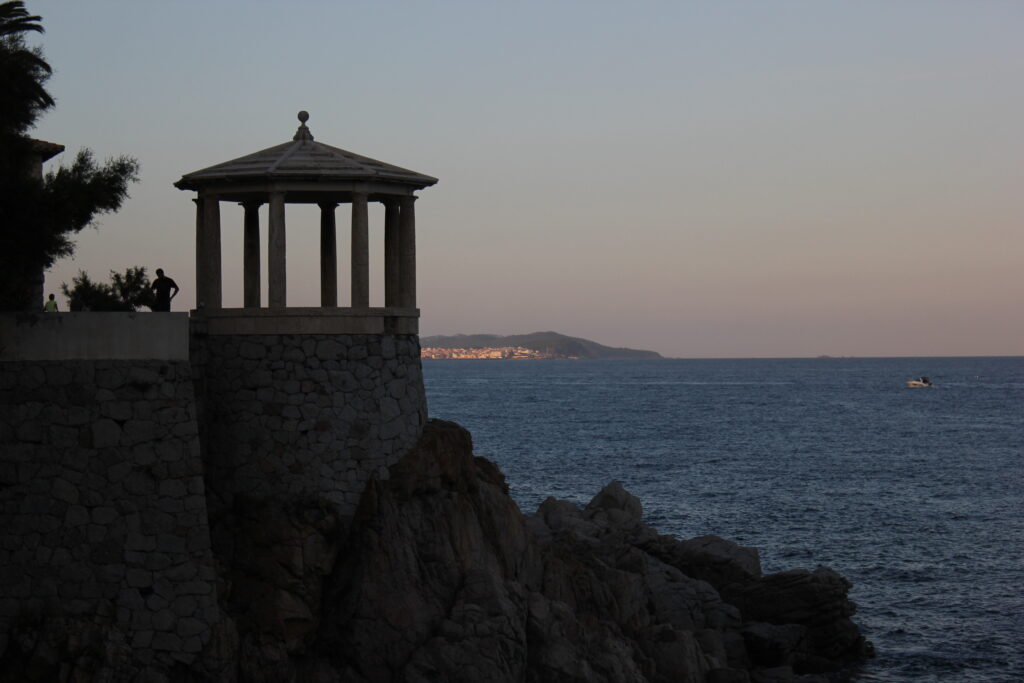
Photo Credits
Below are the photo credits in order of appearance. Royalty-free photos will not be listed below:
- Cover Image: Jose Francisco Villa…, CC BY-SA 3.0, via Wikimedia Commons
- Govern de Catalunya (Attribution or Attribution), via Wikimedia Commons
- Wamito, CC BY-SA 4.0, via Wikimedia Commons
- Jorge Franganillo, CC BY 2.0, via Wikimedia Commons
- Jorge Franganillo, CC BY 3.0, via Wikimedia Commons
- Jorge Franganillo, CC BY 3.0, via Wikimedia Commons
- Beatriz Vidal, CC BY-SA 4.0, via Wikimedia Commons
- Mampel, CC BY-SA 4.0, via Wikimedia Commons
- Quelet, CC BY-SA 4.0, via Wikimedia Commons
- Jorge Franganillo, CC BY 3.0, via Wikimedia Commons
- Jlmartir, CC BY-SA 4.0, via Wikimedia Commons
- Jorge Franganillo, CC BY 3.0, via Wikimedia Commons
- Jorge Franganillo, CC BY 3.0, via Wikimedia Commons
- Jorge Franganillo, CC BY 3.0, via Wikimedia Commons
- Arocinema, CC BY-SA 4.0, via Wikimedia Commons
- Jorge Franganillo, CC BY 2.0, via Wikimedia Commons
- 1997, CC BY 2.0, via Wikimedia Commons
- Beatriz Vidal, CC BY-SA 4.0, via Wikimedia Commons
- Jorge Franganillo, CC BY 3.0, via Wikimedia Commons
- Jlmartir, CC BY-SA 4.0, via Wikimedia Commons
- Mampel, CC BY-SA 4.0, via Wikimedia Commons
- Jorge Franganillo, CC BY 3.0, via Wikimedia Commons
- Santi Terricabras, CC BY 3.0, via Wikimedia Commons
- Wamito, CC BY-SA 4.0, via Wikimedia Commons
- Mampel, CC BY-SA 4.0, via Wikimedia Commons
- Jose Francisco Villa…, CC BY-SA 3.0, via Wikimedia Commons
.jpg)
_(06-11-2024).jpg)

.jpg)

.jpg)


.jpg)


.jpg)

.jpg)


.jpeg)


