Isla Cristina, Huelva: beaches, marshes and seafaring tradition on the Costa de la Luz
Isla Cristina is one of the great treasures of the province of Huelva. Located on the Costa de la Luz, just 7 kilometres from the Portuguese border and bathed by the Atlantic Ocean, this fishing town combines history, fishing tradition, golden sandy beaches and a valuable protected natural environment. Its fishing port, one of the most important in Andalusia, continues to set the pace of island life, but the town has also opened up to tourism, culture and gastronomy, becoming an essential destination in south-western Andalusia.
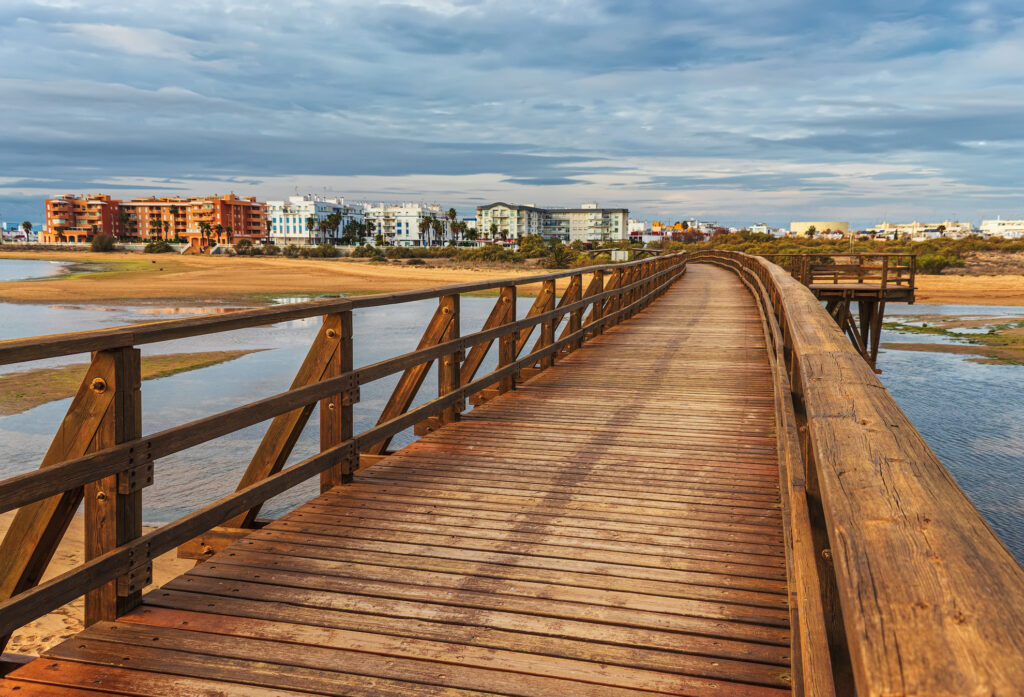
With more than 21,000 inhabitants, a coastline of almost 20 kilometres and the charm of its marshes, Isla Cristina offers much more than you might imagine: unique sunsets, famous festivals such as its carnival, cuisine linked to the sea and a heritage that reflects its welcoming and hospitable character.
Below, we tell you what to see in Isla Cristina, its history, its natural environment and everything you need to enjoy this corner of Huelva to the fullest.

Origins and history of Isla Cristina
Although today it is a vibrant city, the origins of Isla Cristina are relatively recent. It was after the devastating Lisbon earthquake of 1755 that a group of Catalan and Levantine fishermen decided to settle permanently in this privileged spot on the Huelva coast. Until then, they had come seasonally to take advantage of the sardine and tuna fishing grounds, but the natural disaster destroyed their seasonal huts and led them to establish a permanent settlement: the Real Isla de La Higuerita.
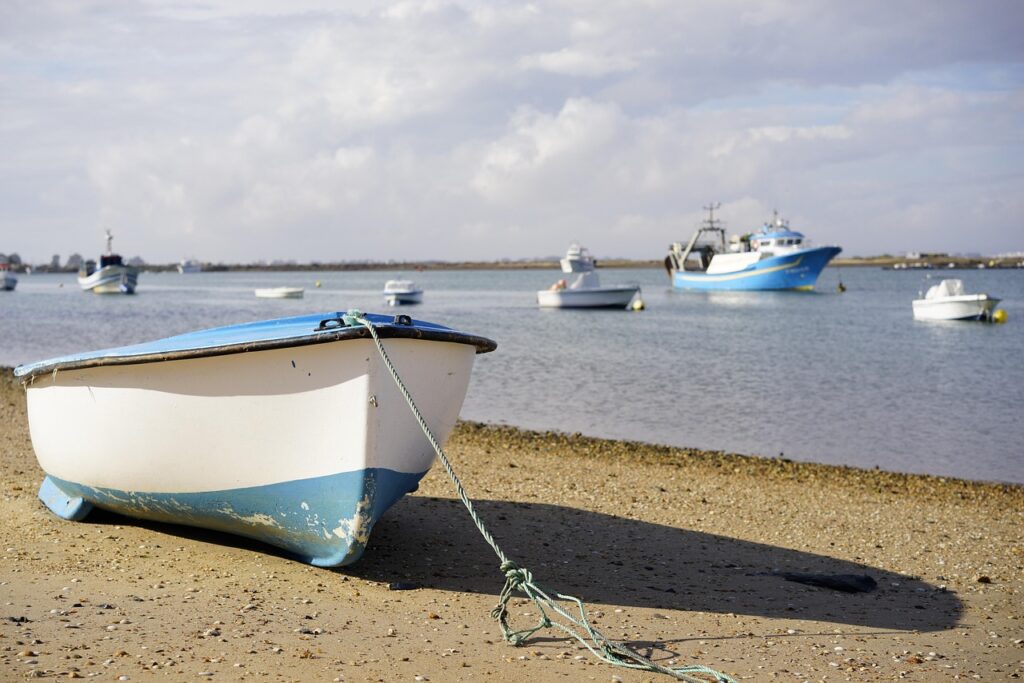
The name referred to a fig tree next to a freshwater spring that served as a landmark for the first settlers. Over time, the colony grew, attracting more families engaged in fishing and salting. In 1834, it adopted its current name, Isla Cristina, as a token of gratitude to Queen María Cristina, who provided humanitarian aid during a cholera epidemic.
Since then, the town has maintained a strong link with the sea. Its port became an economic engine, its salt flats supplied much of Andalusia and its carnival, which began in the 19th century, established itself as one of the most important festivals in Spain.
The port and the fish market: the heart of Isla Cristina
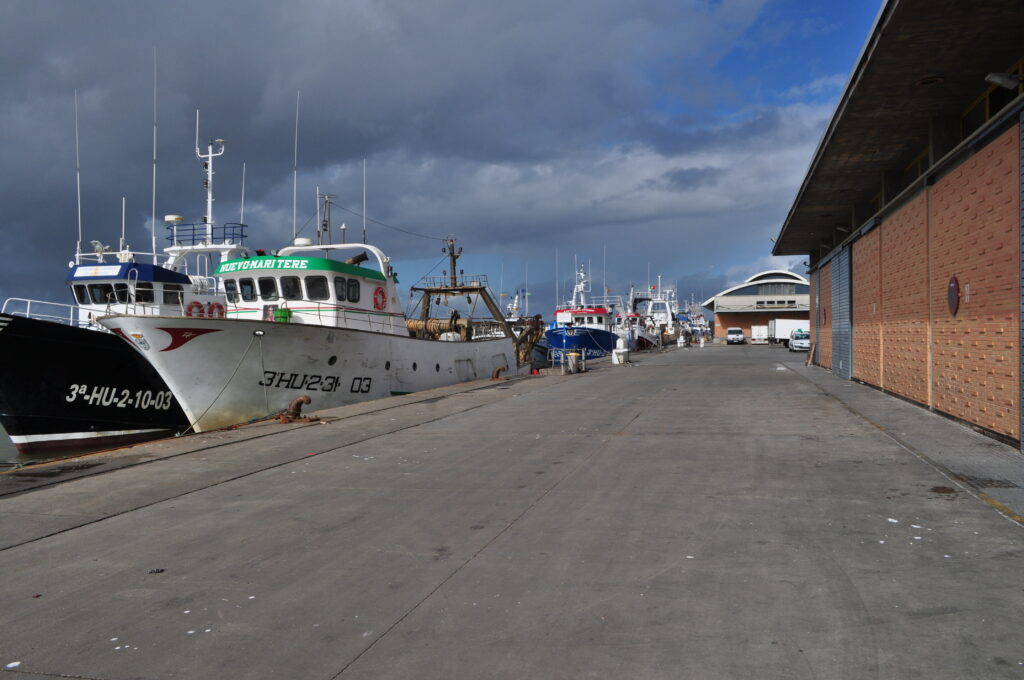
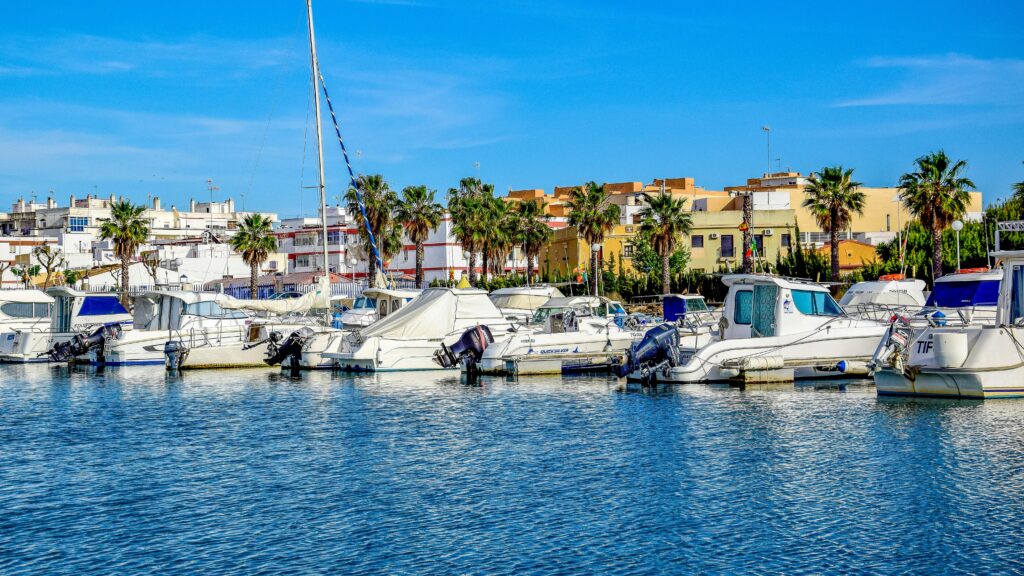
If there is one place that sums up the essence of the island, it is its port. The port is not only a place of work, but also the epicentre of the local economy and culture, recognised nationally and even by the FAO. The Isla Cristina fish market holds a place of honour: it is the leading fresh fish auction in Andalusia and the second largest in terms of tonnage, surpassed only by Cadiz.
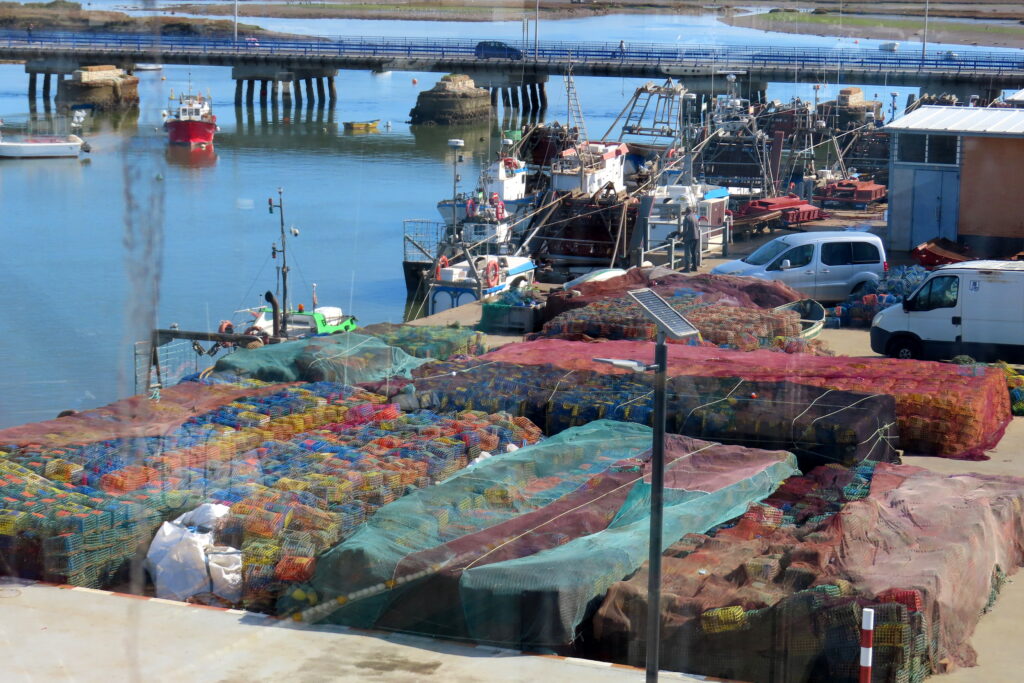
The fish market is the soul of this space. Every day, fish auctions are held here, which are quite a spectacle. Sardines, tuna, prawns, cuttlefish and clams pass from the fishermen to the buyers in a vibrant atmosphere. The best thing is that the fish market is open to the public, so any visitor can attend this ritual that keeps seafaring traditions alive.
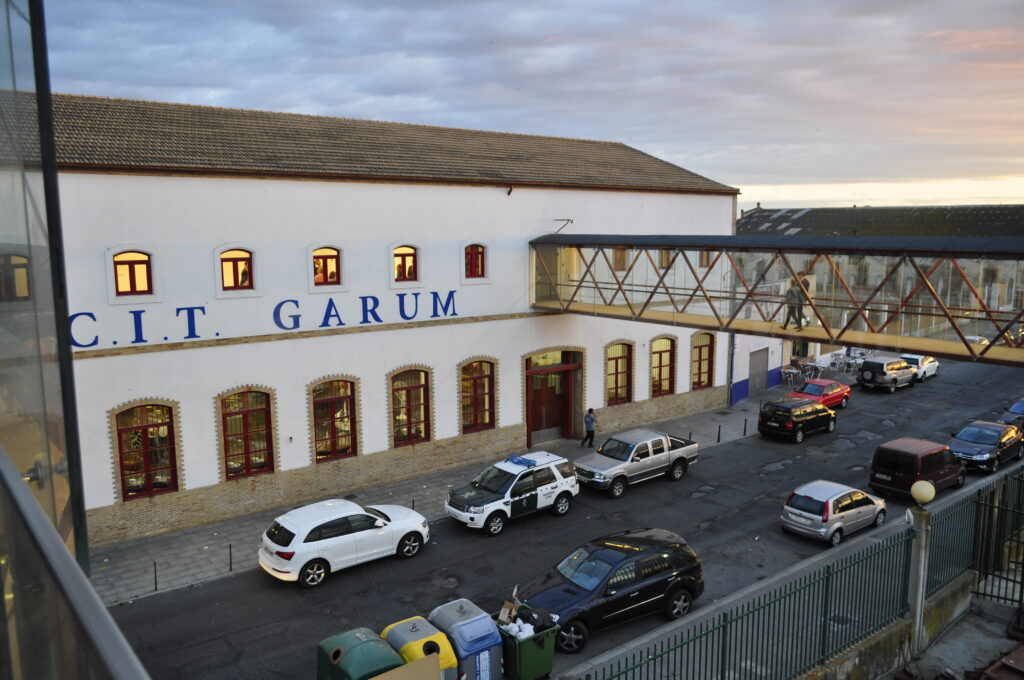
The modernisation and internationalisation of fishing are now fundamental pillars, but without forgetting the roots and traditional methods. The Fishing Interpretation Centre, located in the old ice factory, is a living testimony to this rich history, housing models, tools and nets that tell the story of the ancient fishing profession. Here, you can learn about the evolution of fishing techniques and the importance of conservation.
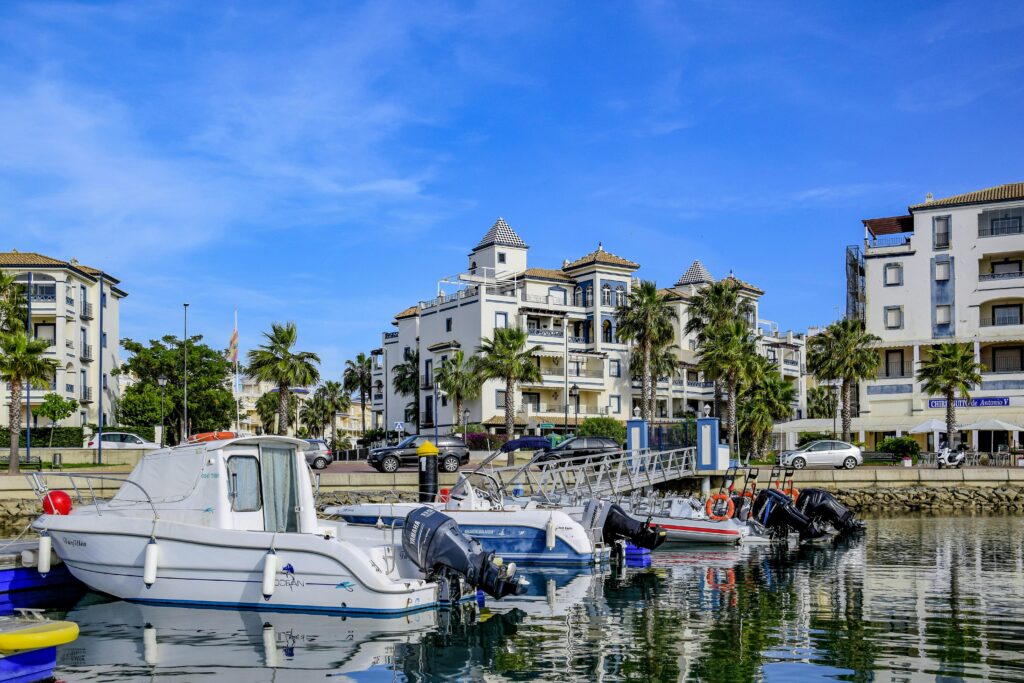
No less interesting is a stroll along the docks at sunset, when the boats return after their daily work and unload their catch. This image sums up Isla Cristina’s relationship with the sea like few others.
Isla Cristina’s beaches: kilometres of golden sand
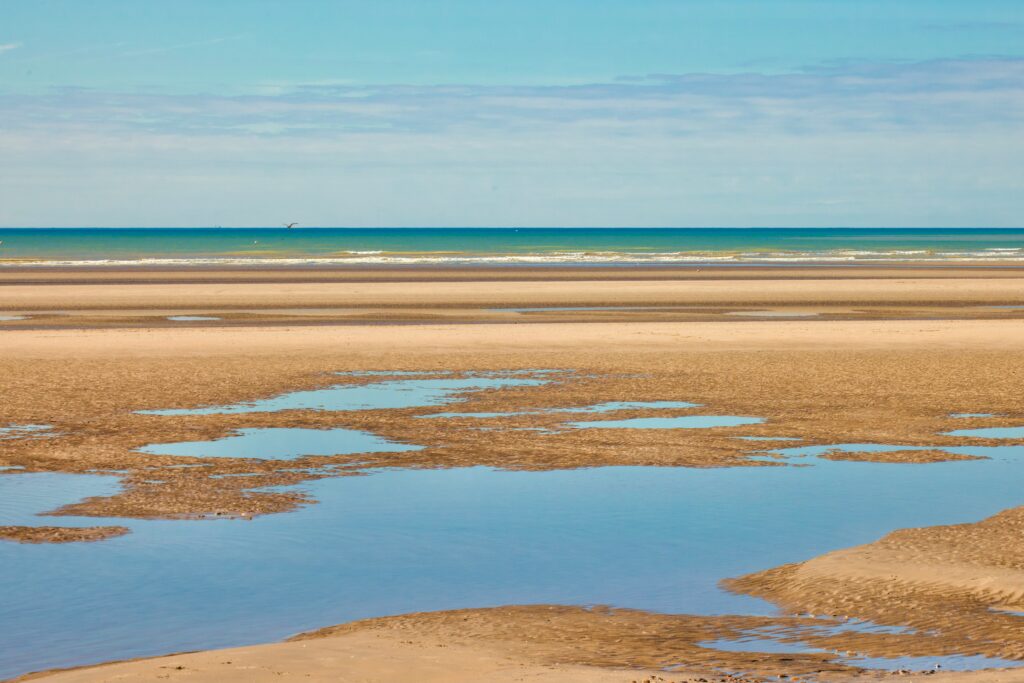
The coast of Isla Cristina is an extensive stretch of 12 kilometres of fine golden sand, which extends uninterrupted from Punta del Caimán to Islantilla Beach. This coastal diversity offers options for every type of visitor.
Among the most notable are:
- Playa del Cantil: located in the heart of the town, it is ideal for families. It is sheltered by the Carreras River and has a charming seaside atmosphere, with the Cantil lighthouse as a backdrop.
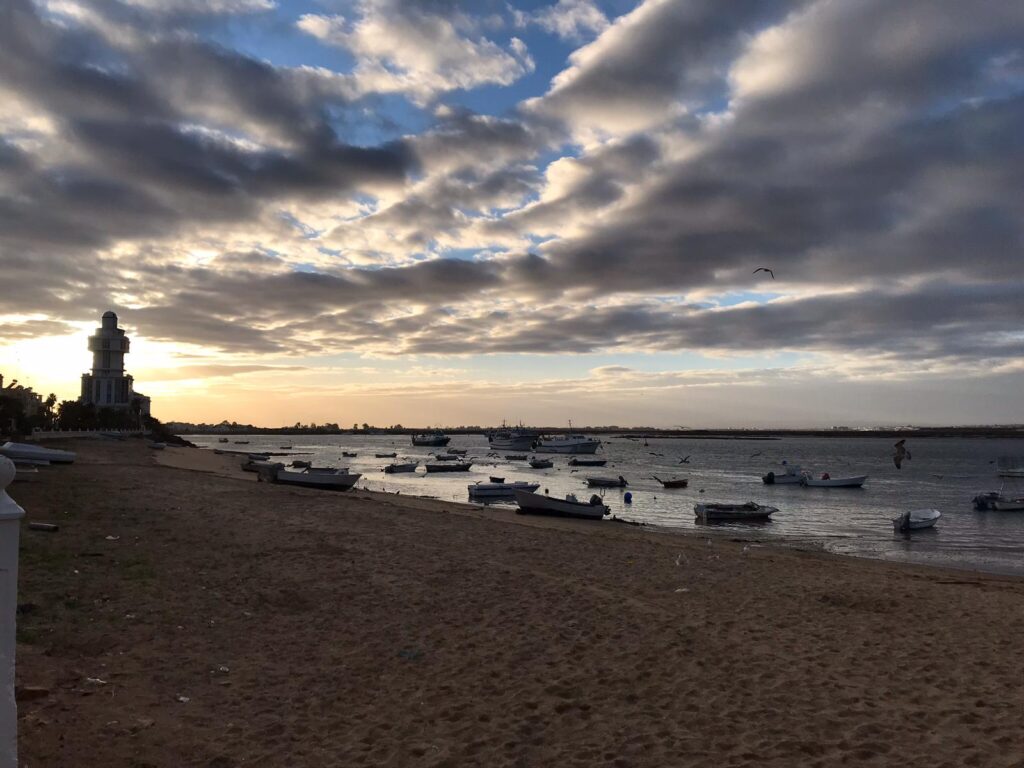
- Playa Central: also in the town centre, with a promenade, bars and restaurants nearby. It is very lively and perfect for those looking for comfort and amenities.
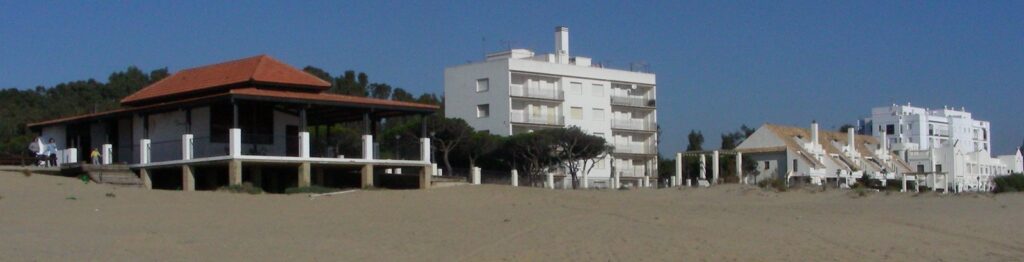
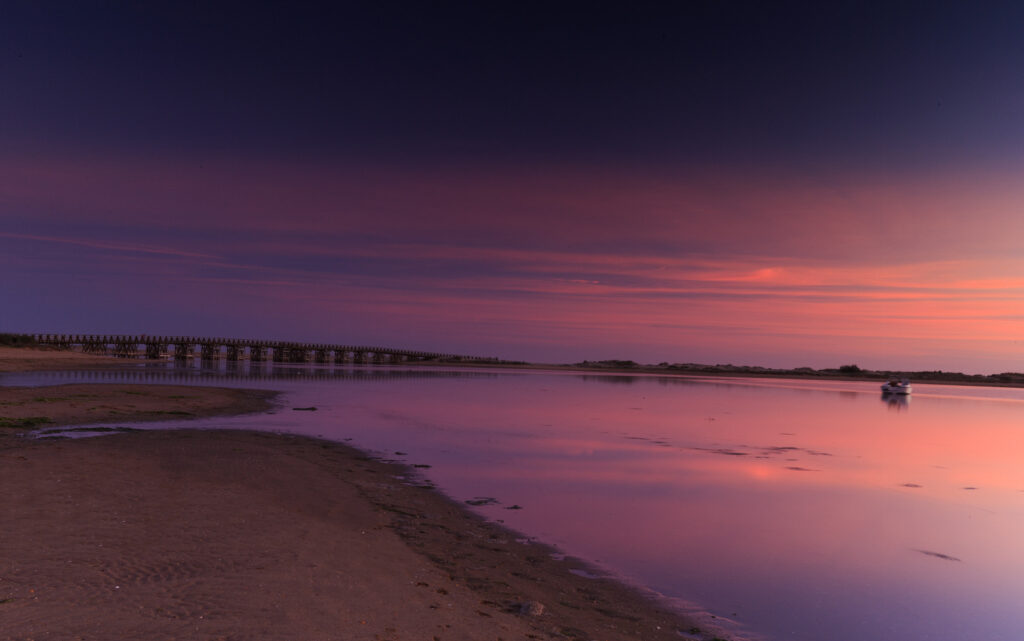
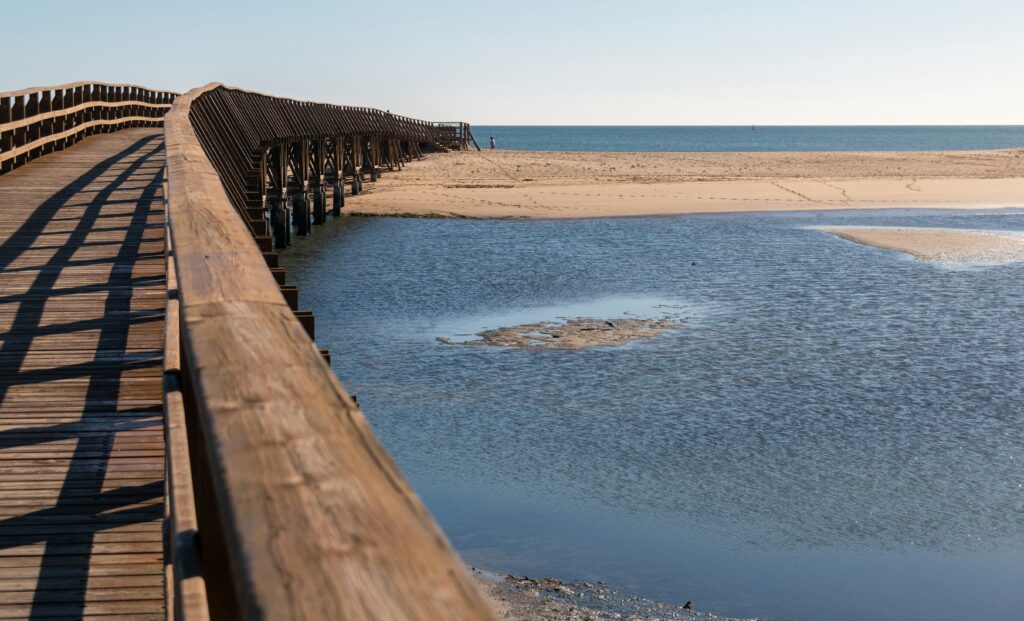
- Playa de Punta del Caimán: connected to the centre by a long wooden bridge that crosses the marsh, it preserves a unique natural environment.
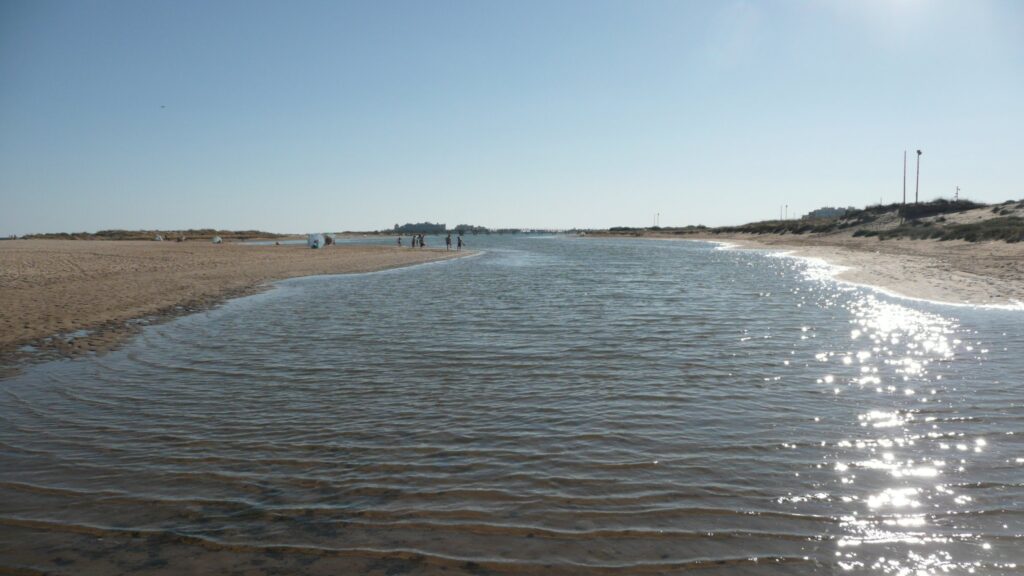
- Isla Gaviota Beach: spacious, with all amenities and an ideal atmosphere for families.
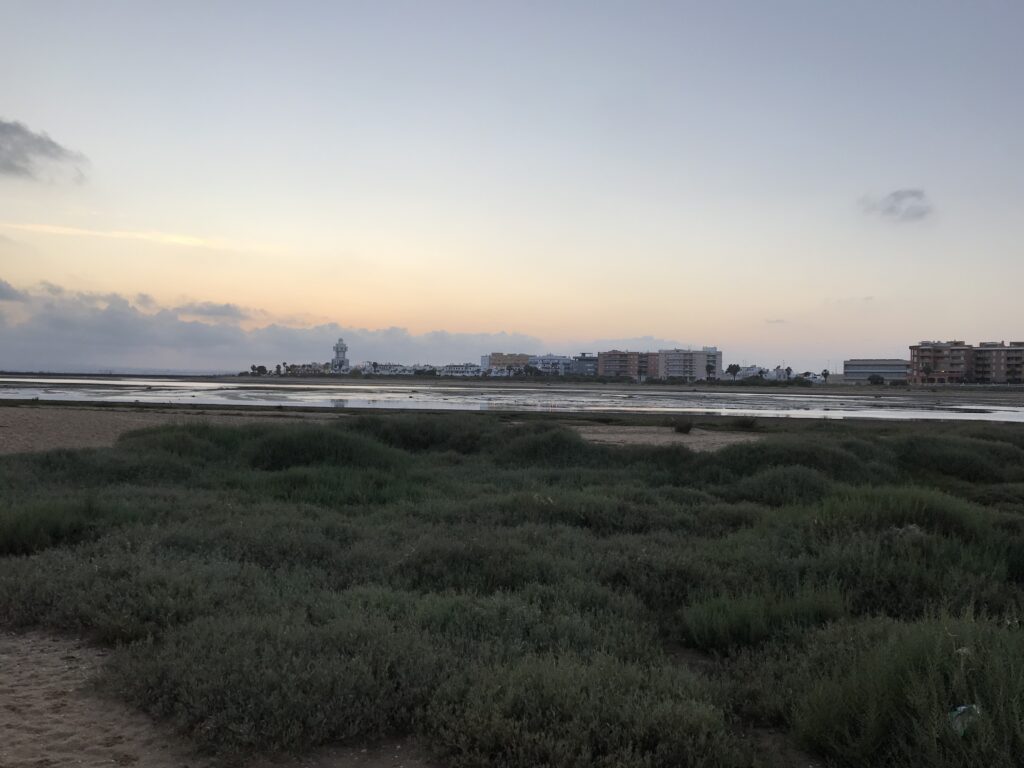
- Playa del Hoyo: quieter and surrounded by pine forests, recommended for those seeking a spot away from the crowds.
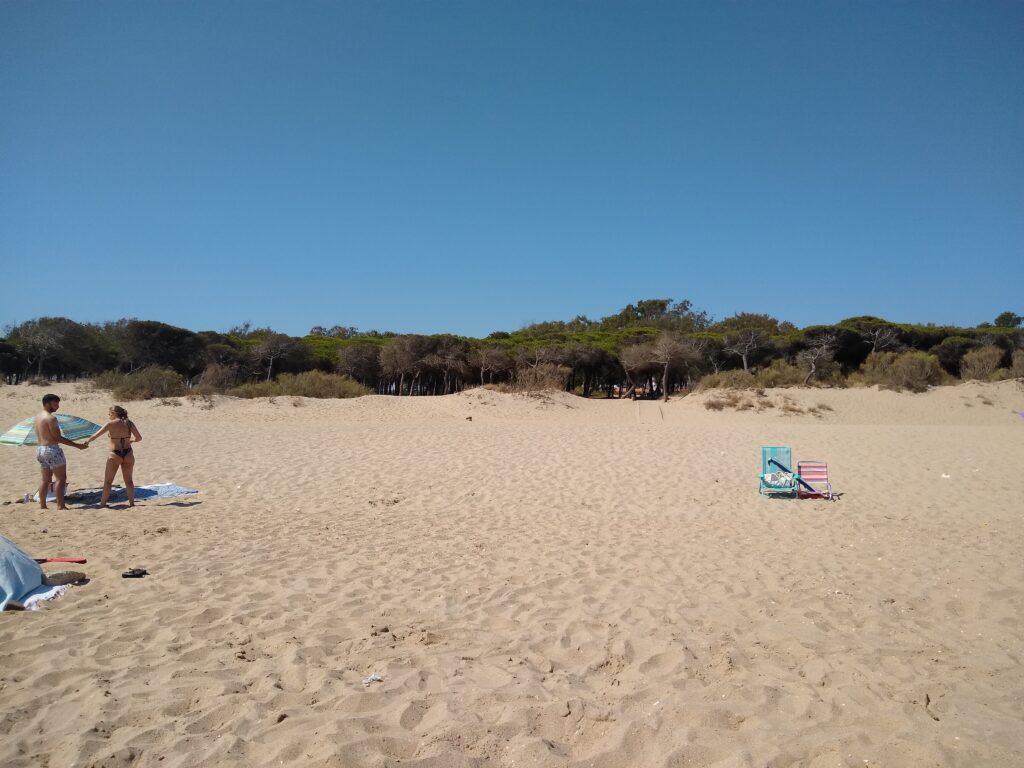
- Islantilla Beach: shared with Lepe, it is one of the most famous in the area, recognised with a blue flag for the quality of its waters and services.
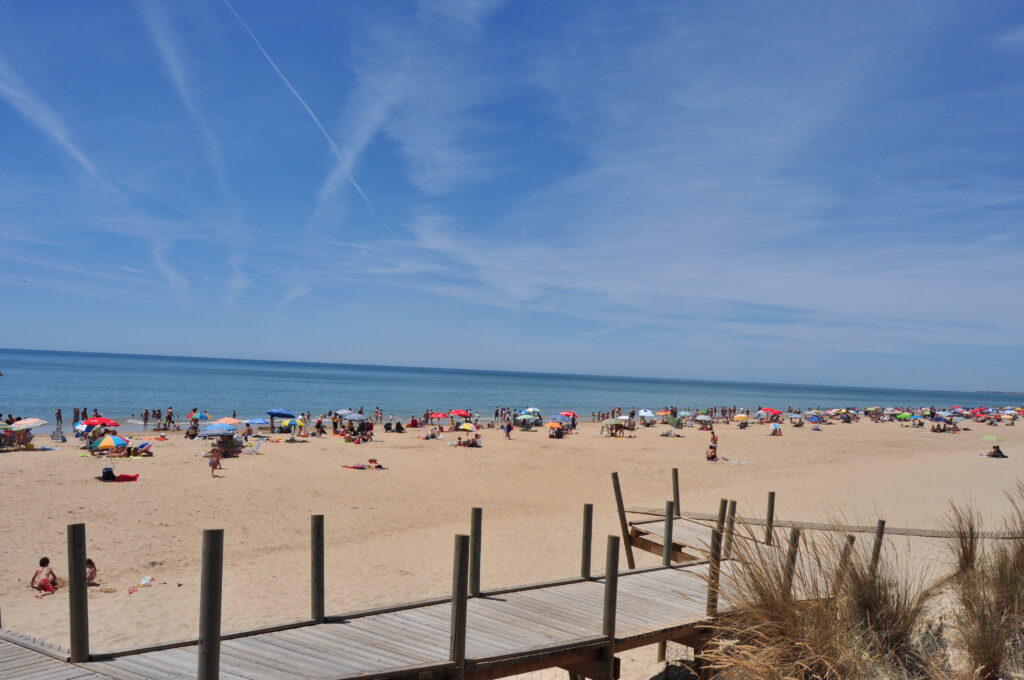
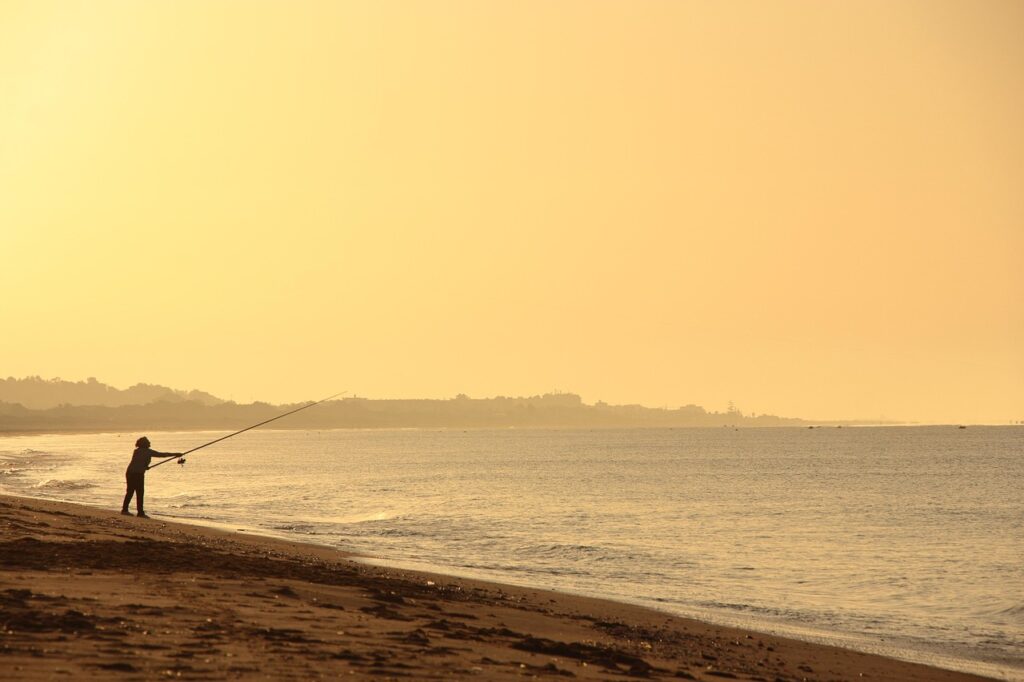
At all of them you will enjoy crystal clear waters, dunes, pine forests and, of course, magical sunsets.
The Isla Cristina Marshes Natural Park
Another of the municipality’s great treasures is the Isla Cristina Marshes Natural Park, a wetland covering more than 2,100 hectares that was declared a protected area in 1989. Located between the mouths of the Guadiana and Carreras rivers, this area is home to a rich biodiversity that makes it a must-see for nature lovers.

The marshes, wetlands that flood with the tide, are a sanctuary for a rich birdlife and flora adapted to different salinities. Flamingos, ospreys and grey herons are just some of the species that find their home and breeding ground in this ecosystem.
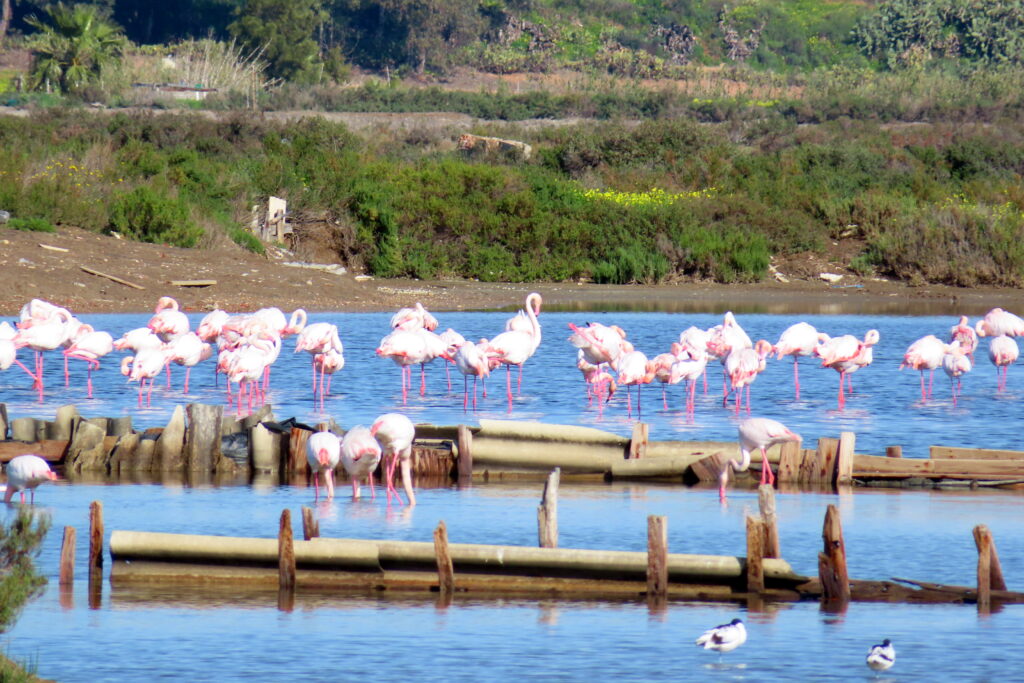
There are several signposted routes that allow you to explore this environment:
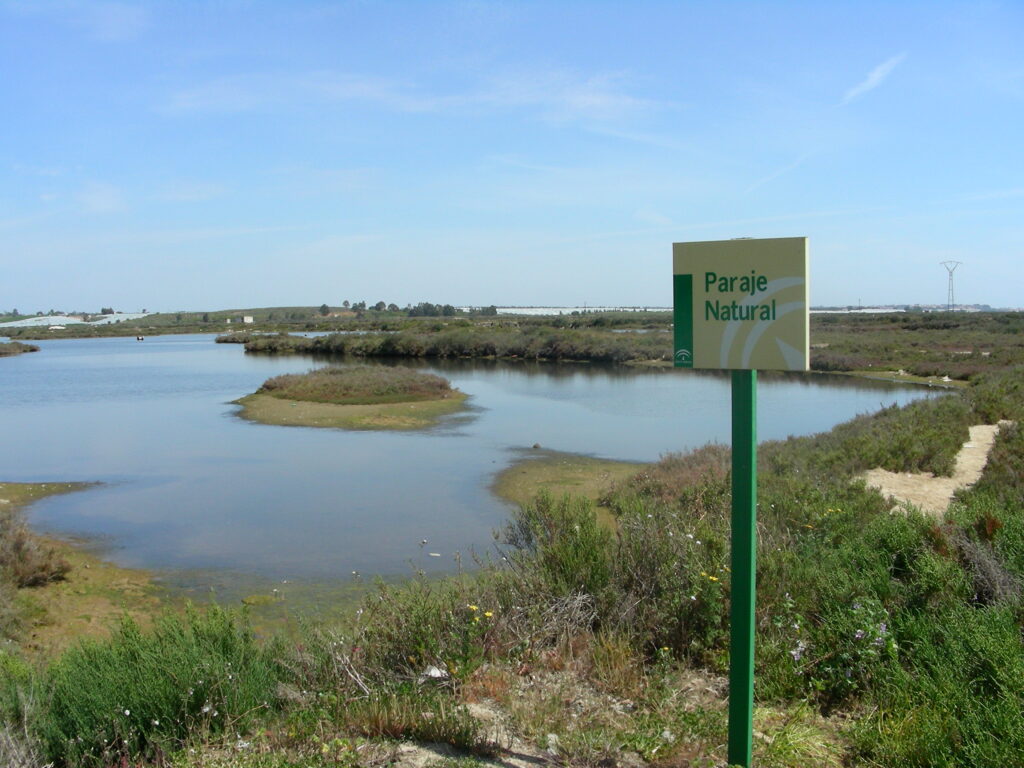
- Laguna del Prado Route: about 2 km, accessible from the town centre.
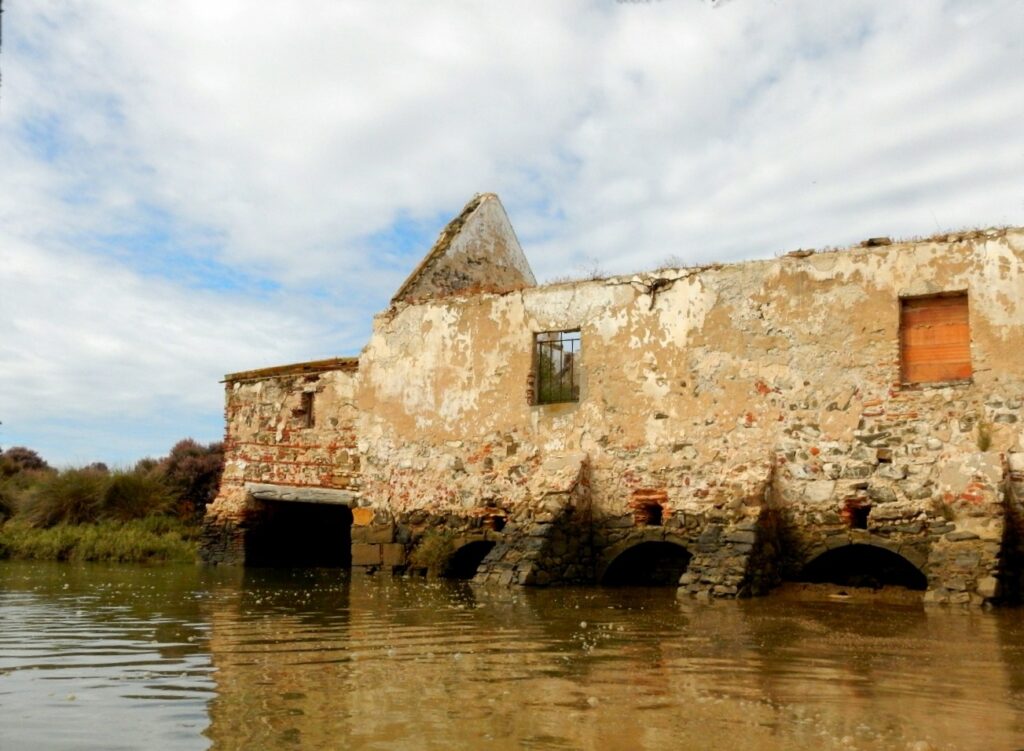
- Pozo del Camino Tidal Mill Route: less than 1 km, where you can visit an 18th-century mill and the ‘El Hombre y la Marisma’ Interpretation Centre.
- Salinas del Duque Route: the longest, about 7 km, perfect for bird watching.
In addition, the marshes are the setting for the famous Sunset Route, where plaques with verses by Alberti, Juan Ramón Jiménez and Luis Cernuda accompany visitors as they contemplate one of the most beautiful sunsets in Andalusia.
Heritage and historic centre
Although Isla Cristina is a young city, its centre preserves places of great interest. Among the most notable are:
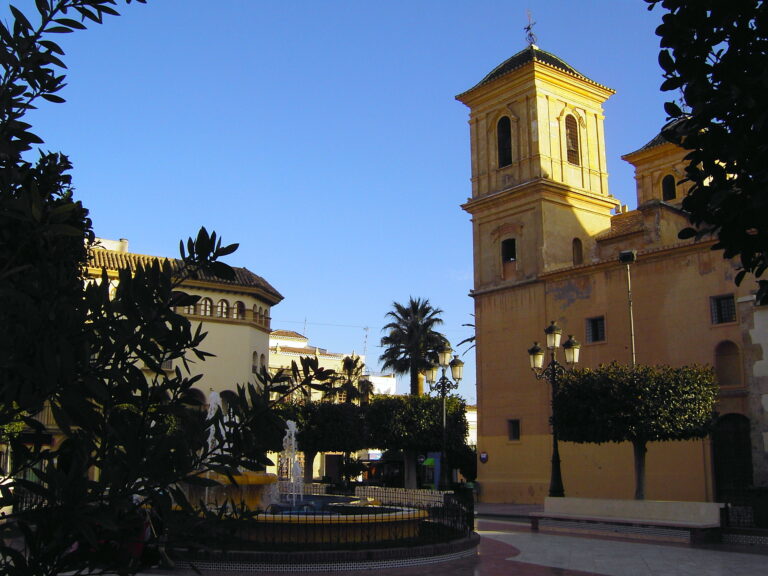
- Church of Nuestra Señora de los Dolores: with its imposing white façade and rich collection of sacred art, built in the 1940s on Gran Vía, it houses highly venerated images such as the Virgen de la Soledad.
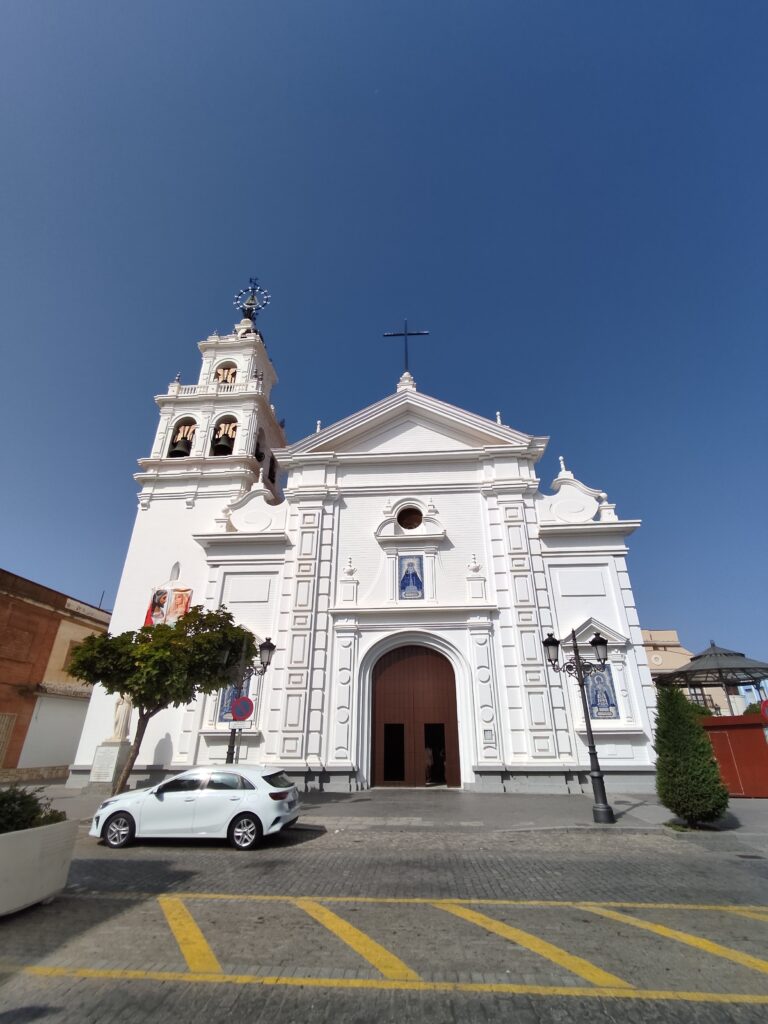
- Parish Church of Jesús del Gran Poder: one of the main churches in the town.
- Casa de Gildita and Casa de Don Justo: examples of modernist and stately architecture.
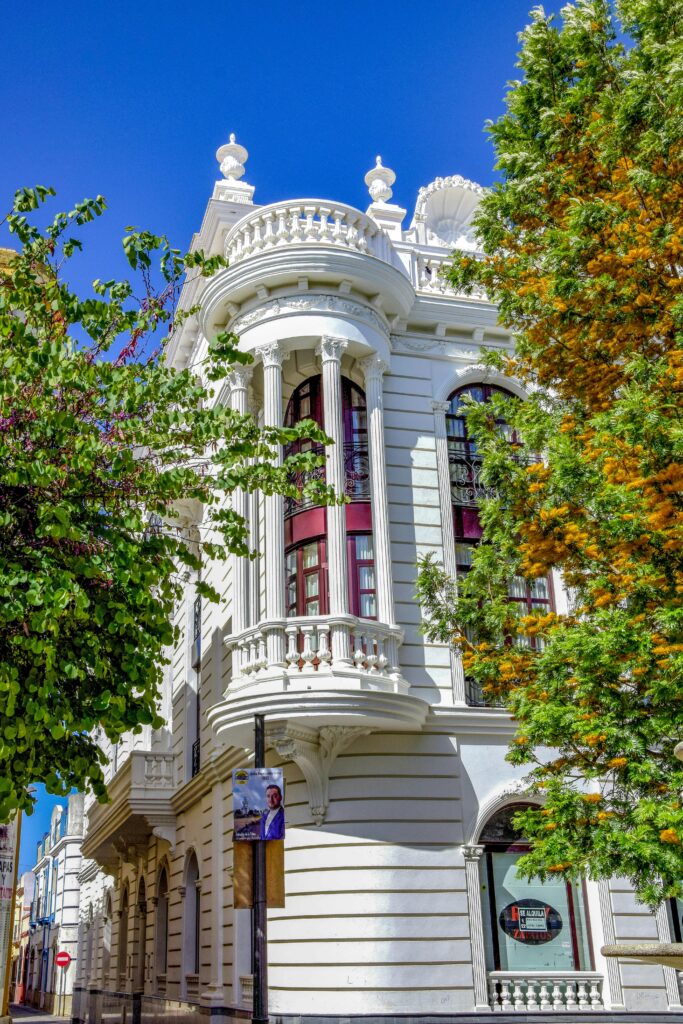
- Antiguo Casino La Unión: now converted, but still retaining the charm of 19th-century social spaces.
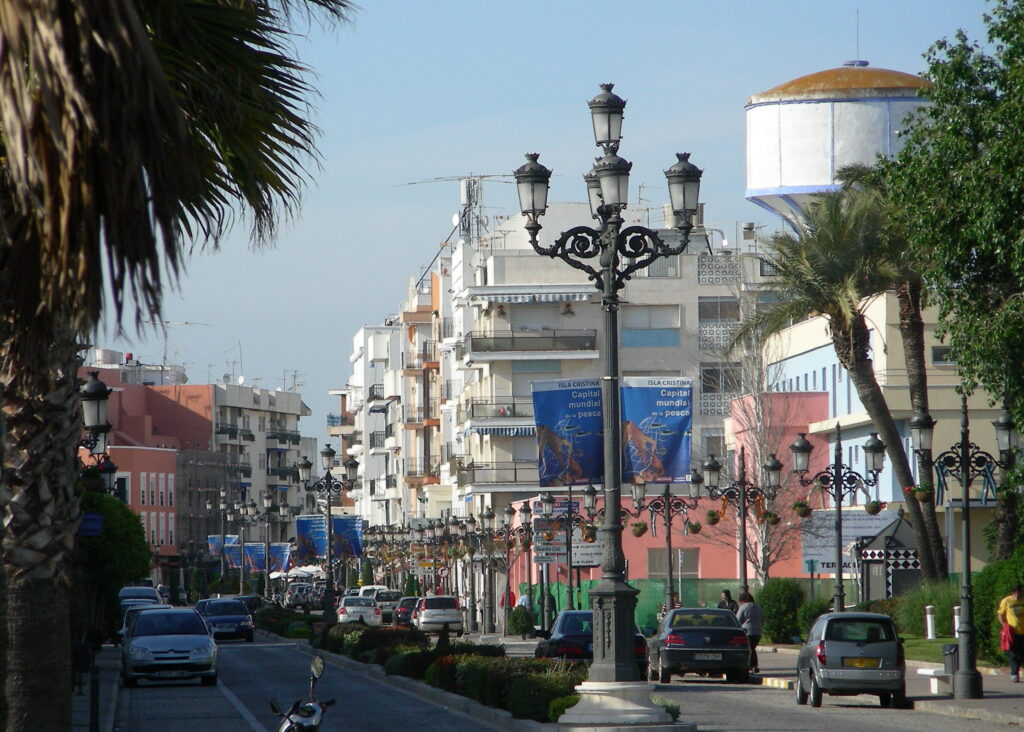
- Paseo de las Palmeras and Paseo de las Flores: meeting places, terraces and local atmosphere.
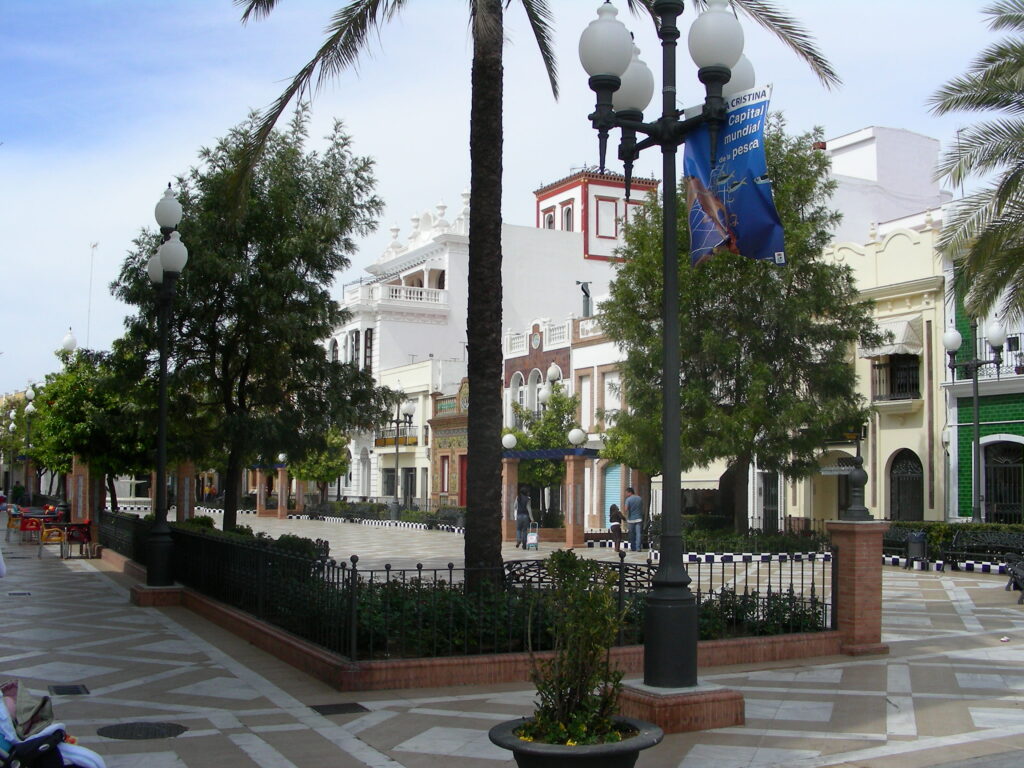
Walking through these streets allows you to discover the most authentic side of the city, with squares full of life and bars where the sea is always served on the plate.
Culture and traditions: Carnival and much more
If there is one festival that defines Isla Cristina, it is its Carnival, considered one of the most important in Spain, along with those in Cádiz and Tenerife. It has been celebrated since the early 19th century and has been declared a Festival of National Tourist Interest.
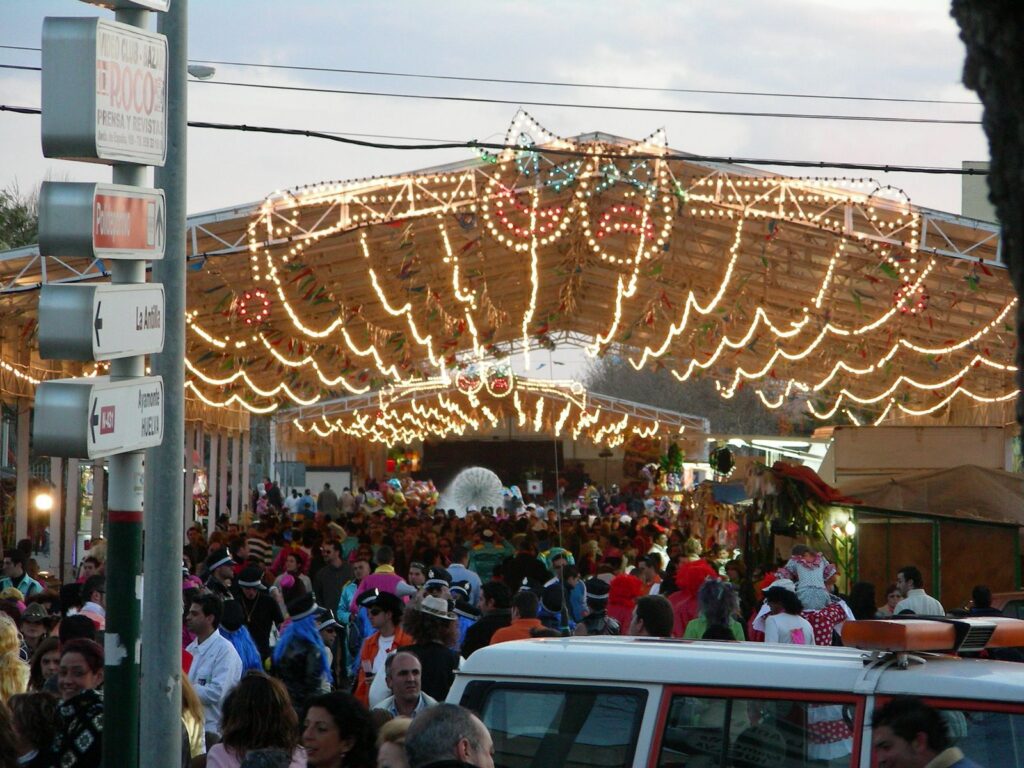
For weeks, the comparsas, chirigotas and parades fill the streets with music and colour. But even if you visit the city at another time of year, you can discover its history at the Carnival Museum, located in the Patio de San Francisco, a space where time stands still to relive the history of this colourful and passionate celebration through historical posters and emblematic costumes.

In addition to the carnival, Isla Cristina has a rich cultural life: music bands, nationally award-winning choirs and a journalistic tradition reflected in the historic newspaper La Higuerita, founded in 1915.
Essential experiences in Isla Cristina
Beyond its beaches and heritage, Isla Cristina offers experiences that are not to be missed:
- Attend the fish auction at the fish market.
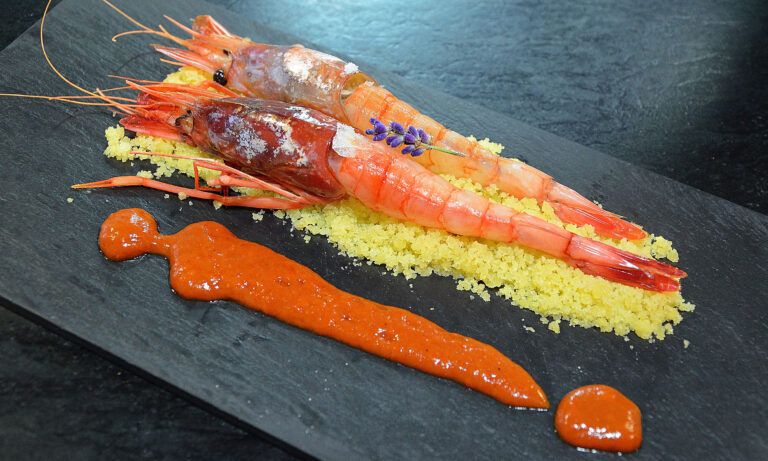
- Take a boat trip on the River Carreras and the marshes, including a tasting of white prawns.
- Visit the traditional salt flats, where fleur de sel is still produced using traditional methods.
- Discover the Mercado de Abastos, with stalls full of fresh fish and seafood.
- Contemplate the Cantil Lighthouse and Punta del Caimán, symbols of the town.
Island cuisine
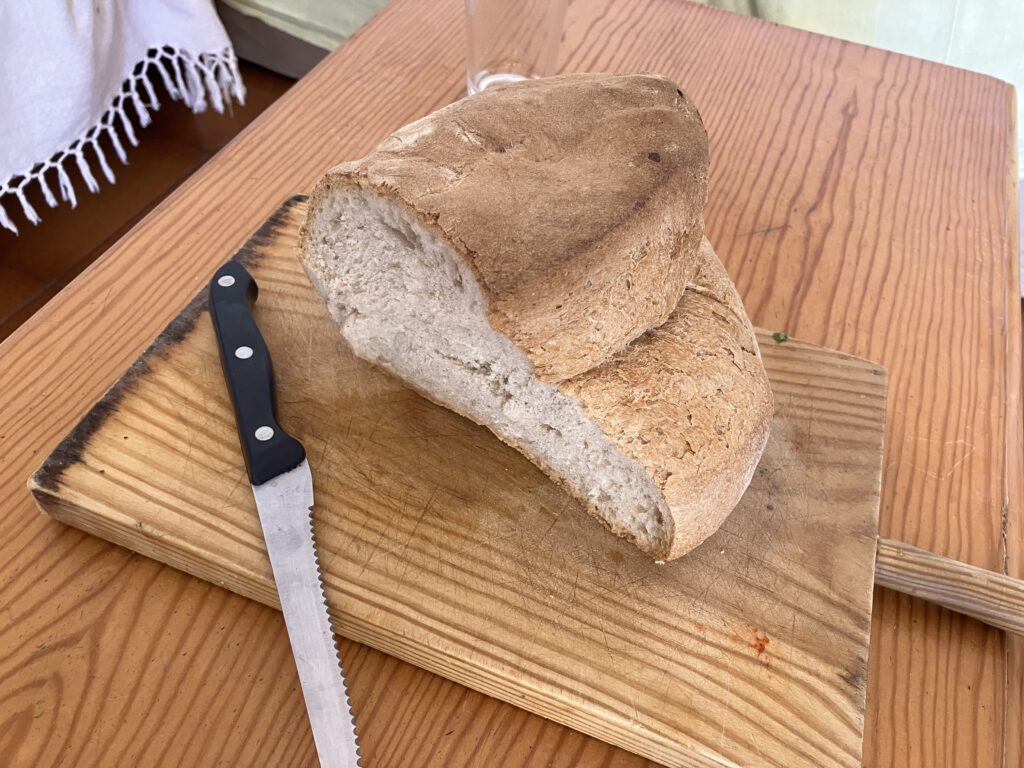
The local cuisine is another of its great attractions, a direct reflection of its seafaring tradition. Tasting Huelva ham, crayfish, cuttlefish, sardines, cockles or mojama (cured tuna) is a must. Restaurants such as El Mesón El Gato, El Pescador, Los Faroles, La Sal and El Rincón del Galluo offer a journey through the authentic flavours of the land and the sea. And for lovers of seafood, a visit to the Mercado de Abastos market is a must to buy fresh fish and seafood directly from the fish market.
Where to stay in Isla Cristina
Spending a few days in Isla Cristina means enjoying the sea breeze, the tranquillity of its marshes and the welcoming atmosphere of a lively fishing village. To make the most of your stay, we recommend the most famous hotel in the area, which combines comfort, a good location and the charm of the Huelva coast:
We recommend booking in advance, especially in summer, as Isla Cristina is one of the most popular destinations on the Costa de la Luz.
What to see near Isla Cristina
Isla Cristina’s privileged location makes it an ideal starting point for exploring the province of Huelva and neighbouring Portugal.
- Ayamonte: Just a 20-minute drive away, this border town seduces visitors with its natural surroundings next to the mouth of the Guadiana River, its historic quarter with its Mudejar-style architecture and the imposing International Bridge.
- Isla Canela: Belonging to Ayamonte, this area offers spectacular beaches among dunes, a captivating natural environment and a fabulous golf club. The sunset here is a sight not to be missed.
- Salinas del Alemán: Located in the marshes, these ecological salt flats offer guided tours, a salt spa and a shop with a wide range of salt products, from flavoured salt to cosmetics.
- Lepe and Islantilla: nearby beach destinations with good tourist infrastructure.
In addition, here is a list of places we have added to the map, in case you want to add them to your personal itinerary:
- Bollullos Par del Condado: A place steeped in wine and religion.
- Villarrasa: An inland village with a lot of soul.
- Zufre: Another inland village near the Sierra de Huelva.
- El Portil: A beach destination that is not too crowded.
- Moguer: Visit the home of Juan Ramón Jiménez.
- Bonares: A village where you can breathe in the purest essence of inland Huelva.
- Mazagón: Unspoilt beaches stretching as far as the eye can see, pine forests and a tranquillity that seems to stand still in time.
- Aljaraque: A town where you can immerse yourself in nature or enjoy Andalusian culture.
- Rociana del Condado: Its historic center has been declared a Historic-Artistic Site.
- Galaroza: This white village in northern Huelva combines heritage and nature in perfect balance.
- Alosno: Mining history and birthplace of the fandango in Huelva.
How to get to Isla Cristina
- By car: the easiest way is to take the A-49 from Huelva (about 40 minutes) and turn off onto the N-446 to the town.
- By bus: the DAMAS company connects Isla Cristina with Huelva and other nearby towns.
- By train: there is no station in Isla Cristina, but there is one in Huelva city, from where you can continue by bus.
Isla Cristina: seafaring essence and unique sunsets
Isla Cristina is much more than a beach destination. It is seafaring history, protected nature, living culture and also a way of understanding life around the sea. Its people, hospitable and proud of their tradition, invite you to enjoy a town that will captivate you with its authenticity.
Whether attending a fish auction, exploring the marshes at sunset or experiencing the intensity of its carnival, in Isla Cristina you will always find reasons to return.
Photo Credits
Below are the photo credits in order of appearance. Royalty-free photos will not be listed below:
- Mike Finn, CC BY 2.0, via Wikimedia Commons
- Fanattiq, CC BY 3.0, via Wikimedia Commons
- Fanattiq, CC BY-SA 4.0, via Wikimedia Commons
- Fanattiq, CC BY 3.0, via Wikimedia Commons
- CarlosVdeHabsburgo, CC BY-SA 4.0, via Wikimedia Commons
- Luis Rogelio HM, CC BY-SA 2.0, via Wikimedia Commons
- Fanattiq, CC BY-SA 3.0, via Wikimedia Commons
- Mike Finn, CC BY 2.0, via Wikimedia Commons
- Fanattiq, CC BY-SA 3.0, via Wikimedia Commons
- Baldomorejon, CC BY-SA 3.0 ES, via Wikimedia Commons
- Elena García, CC BY-SA 3.0, via Wikimedia Commons
- Gonzalo 11789, CC BY 4.0, via Wikimedia Commons
- Fanattiq, CC BY-SA 3.0, via Wikimedia Commons
- Fanattiq, CC BY 3.0, via Wikimedia Commons
- Fanattiq, CC BY 3.0, via Wikimedia Commons
- Primerodemayo, CC BY-SA 4.0, via Wikimedia Commons
- El Mono Español, CC BY-SA 4.0, via Wikimedia Commons
In this article you will find some affiliate links. If you book or buy something through them, you help us to continue creating independent and useful content, at no extra cost to you. Thank you very much for making this possible!


_-_002_(30596446542).jpg)


.jpeg)


.jpg)