Bonares, Huelva: Where Art Blooms Among Eucalyptus Trees and Strawberries
Amidst the sounds of the countryside and the scent of orange blossom, in the heart of the County of Huelva, lies Bonares, a village that exudes authenticity. At first glance, it may seem like a quiet village, but behind its whitewashed façades and silent squares lies a history woven with faith, art and tradition. Here, time is not measured in days or seasons: it is measured in Corpus Christi, in grape harvests, in gatherings under the orange trees along the promenade.
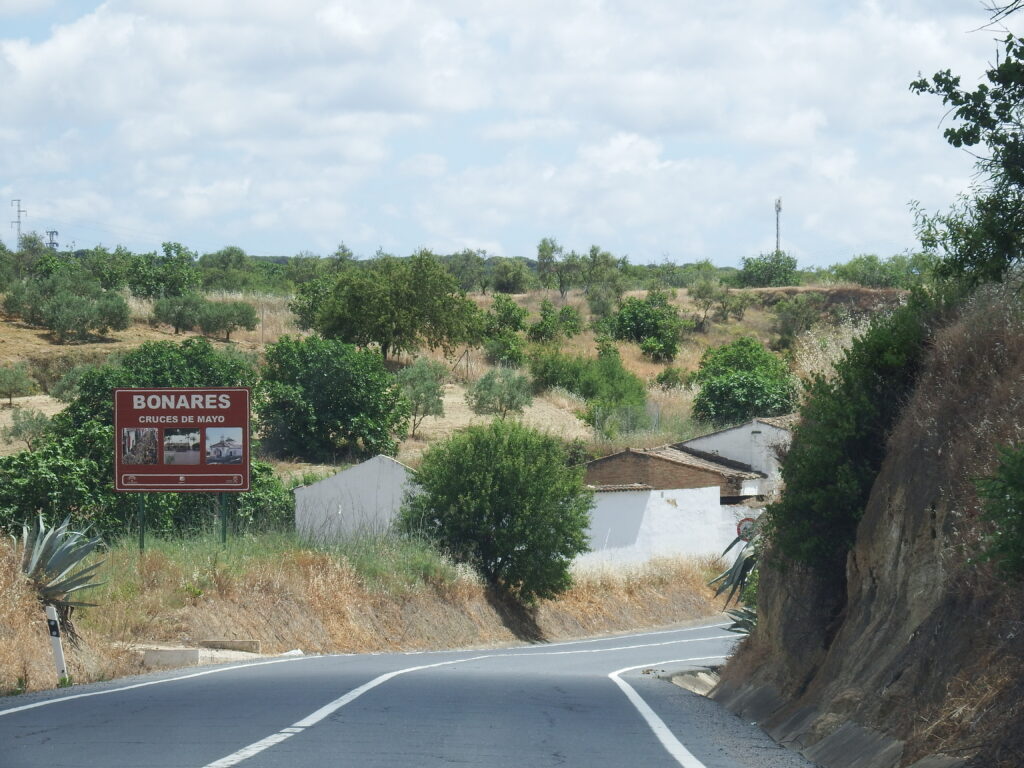
To visit Bonares, Huelva, is to encounter the purest essence of the Huelva countryside. It is to stroll through streets where Mudejar architecture blends with the simplicity of everyday life; it is to discover how an entire town turns its devotion into art every year; and it is, above all, to feel that hospitality still has a name.

History and origins of Bonares
The history of Bonares is marked by the passage of civilisations that left their mark on the landscape and the soul of its people. Although the first settlements date back to the Tartessian and Roman periods, it was during the Muslim domination that the urban centre began to consolidate. In fact, the name ‘Bonares’ itself could have Arabic origins, possibly derived from Bunayr or Bunaris, referring to a fertile place or a place with good water.
After the Christian reconquest, Bonares became part of the County of Niebla, under the jurisdiction of the Guzmans, one of the most powerful families in Andalusia. For centuries, its economy revolved around agriculture, especially the cultivation of olives, vines and cereals. Farmhouses, wine presses and mills set the pace of an eminently rural society.
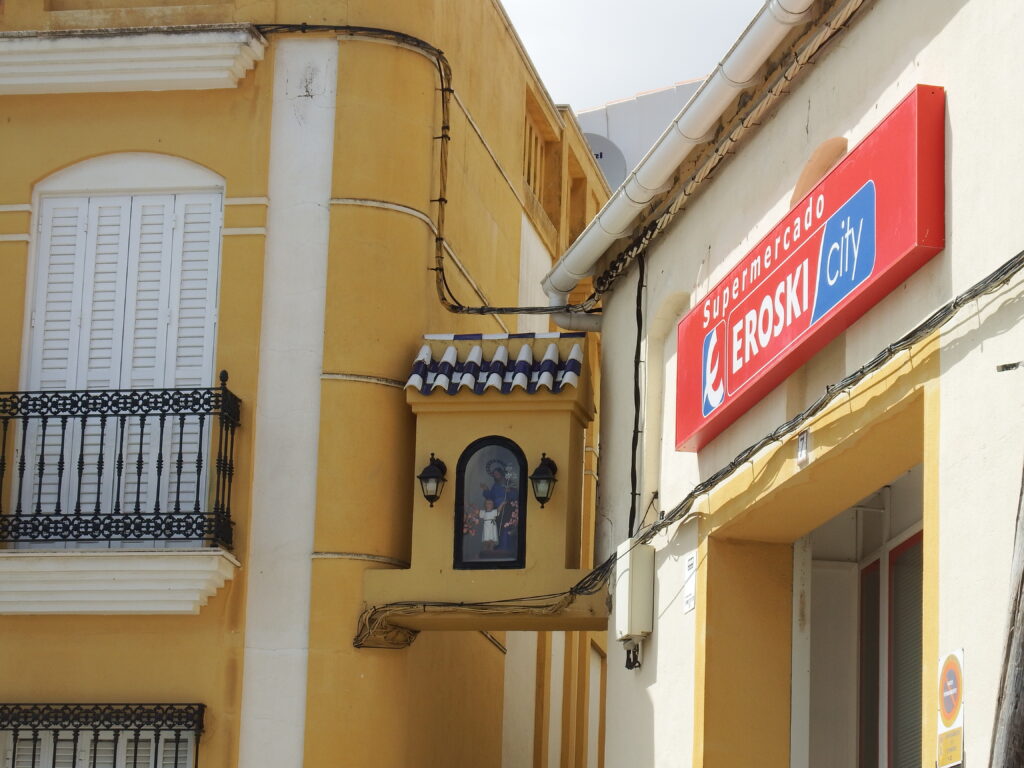
The 18th century brought prosperity and remarkable urban development: churches, chapels and civil buildings were erected, which still today give Bonares that stately and leisurely air that visitors fall in love with. And although the town has managed to adapt to modern times, it maintains a close relationship with its past, proud of its identity and customs.
What to see in Bonares
Bonares, a name that evokes ‘good land’, is located in the heart of the County of Huelva, in the south-east of the Andalusian province, on the banks of the historic Río Tinto. With a population of just over 6,000 inhabitants and an area of around 64.51 km², this town is not just a dot on the map; it is a vibrant crossroads of history, botany and culture. Its essence, however, is distilled in the unique fusion of a deep agricultural tradition and a rich heritage that has stood the test of time.
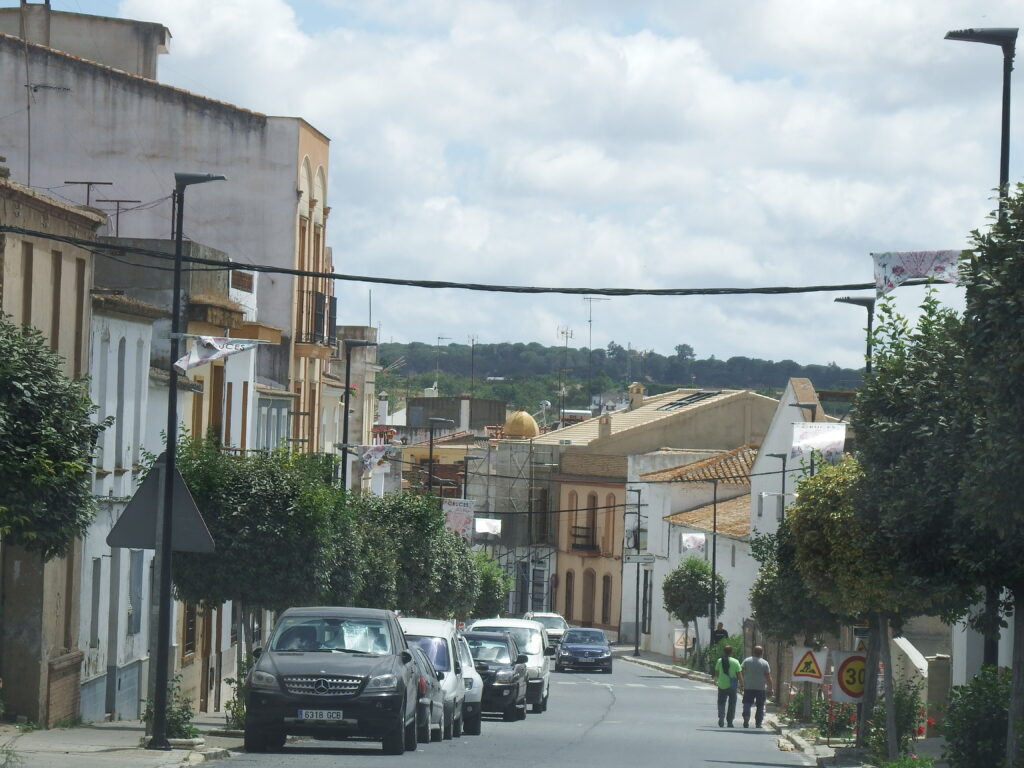
Strolling through Bonares is a pleasure for the senses. It is not a town to be discovered in a hurry, but one of those places to be savoured little by little, letting yourself be carried away by the tranquil rhythm of its people and the echo of the bells. Every corner tells a story, and every building holds a piece of the collective memory of the county.
Church of Nuestra Señora de la Asunción
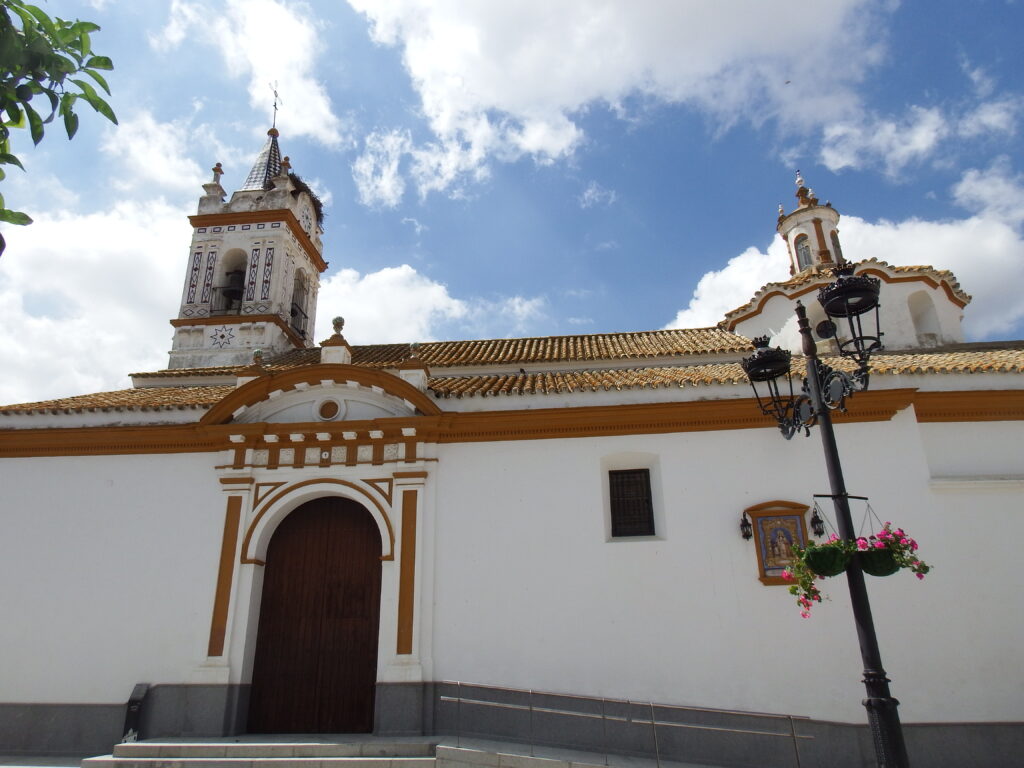
The heart of Bonares beats in its Church of Nuestra Señora de la Asunción, an imposing Mudejar-style temple built between the 15th and 16th centuries on the remains of an ancient mosque. Its exterior, sober but majestic, conceals an interior of unexpected beauty: three naves separated by brick columns, covered by wooden coffered ceilings and a magnificent Baroque altarpiece presiding over the high altar.
Inside, images of great popular devotion are preserved, such as the Virgin of Sorrows and the Christ of Vera Cruz. But beyond its artistic value, the church is the spiritual soul of Bonares, the place where faith, history and a sense of belonging converge.
Chapels and religious heritage
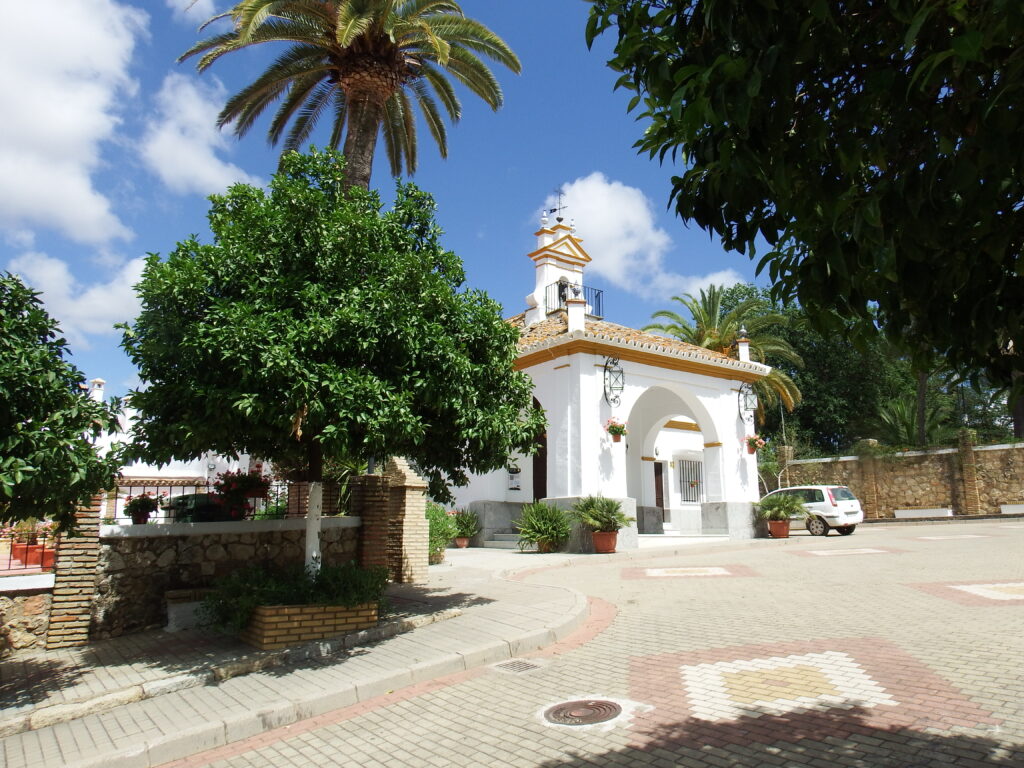
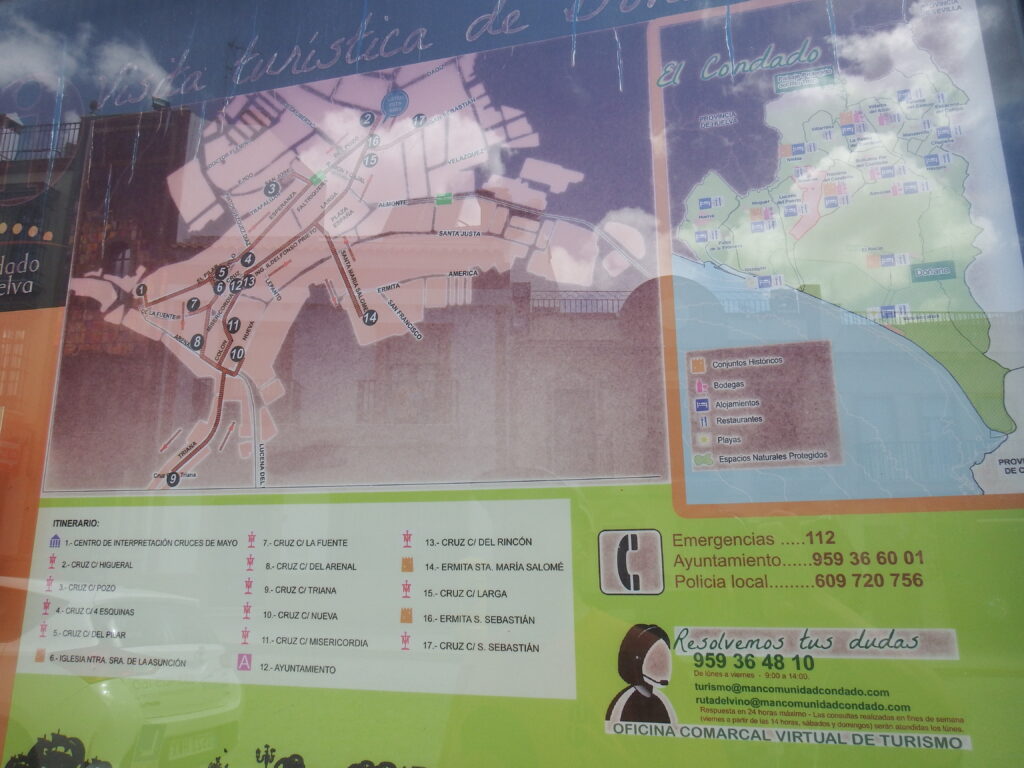
Bonares has a surprising number of chapels for its size, testimony to a deeply rooted popular religiosity. Among them are the Chapel of Santa María Salomé, patron saint of the municipality, located on the outskirts, surrounded by pine trees and olive groves; the Ermita de San Sebastián, documented since 1695, is one of the few in the region that has preserved its original architecture prior to the devastating Lisbon Earthquake of 1755; and the Ermita de la Santa Cruz, linked to the brotherhoods that bring Corpus Christi to life.
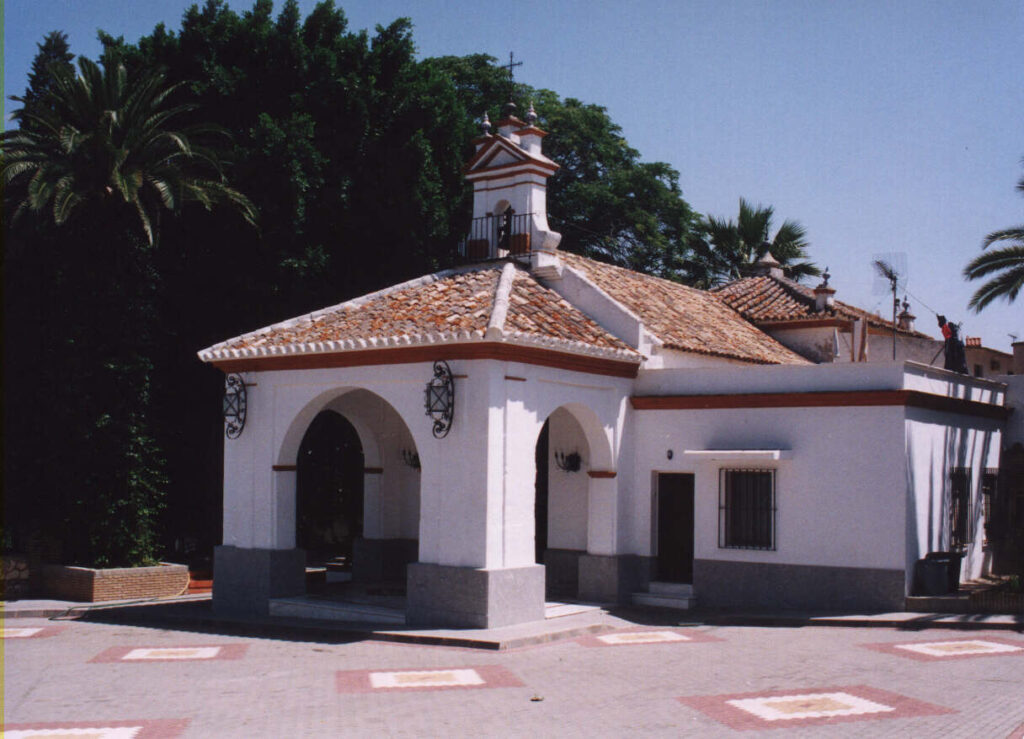
Each of these chapels is, in reality, a small sanctuary of local memory. During the festivities, the streets are filled with colour, music and devotion, transforming the town into a mosaic of shared emotions.
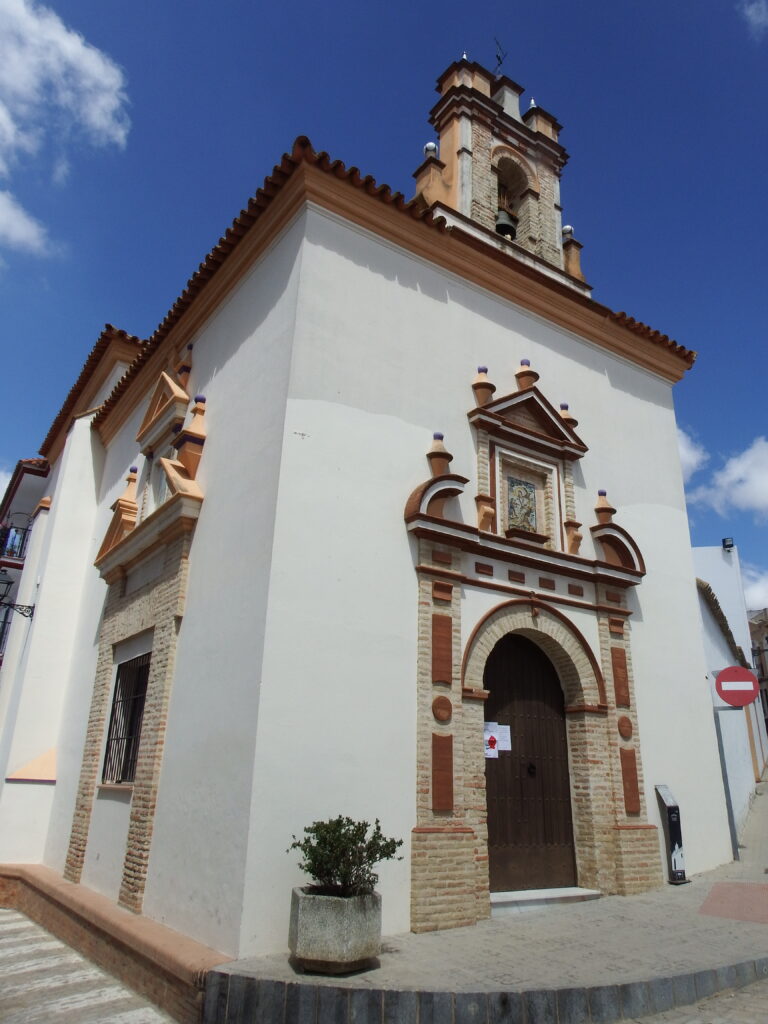
The 12 Crosses of Bonares
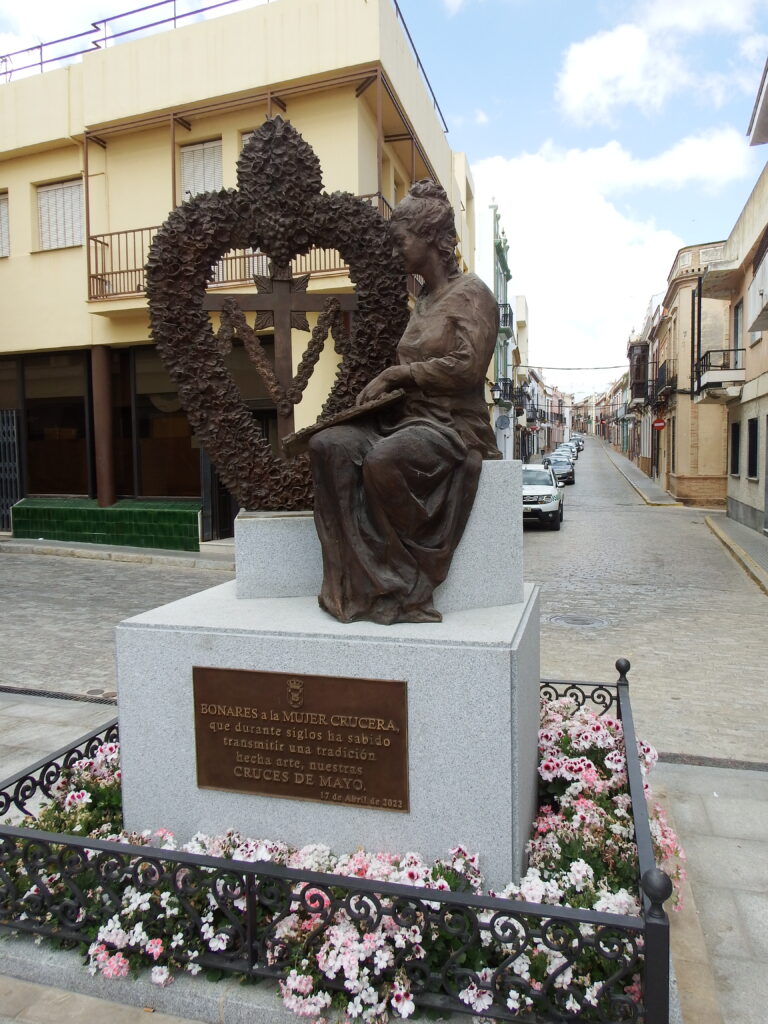
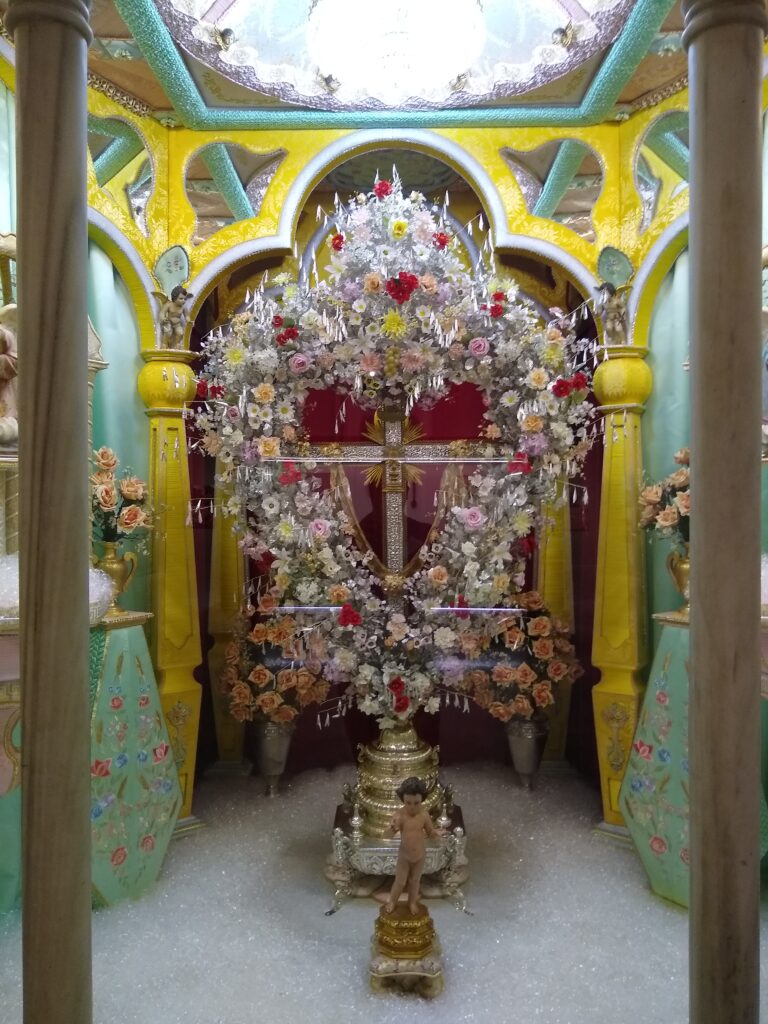
One of the most unique elements of Bonares’ heritage are its twelve crosses, scattered throughout the different neighbourhoods of the municipality. More than just religious symbols, they are authentic centres of neighbourhood life. Each Cross has its own brotherhood house, its own decoration and its own particular history, and they all take part in one of the most eagerly awaited celebrations of the year: the Fiesta de las Cruces de Mayo (May Crosses Festival).
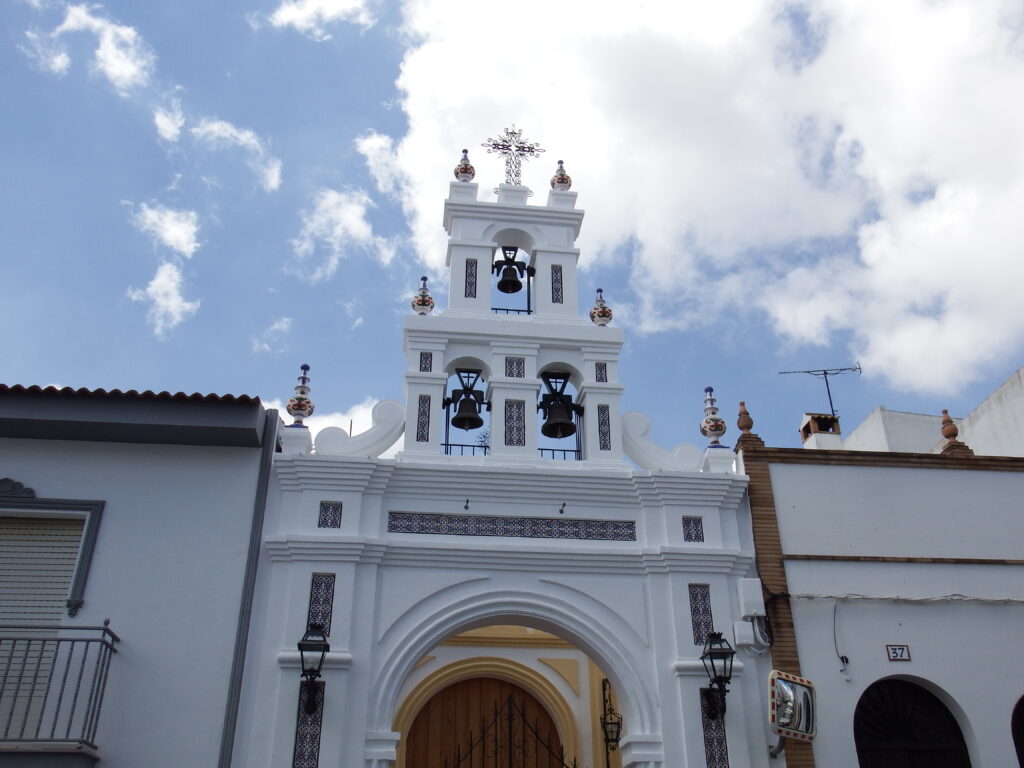
During these days, Bonares comes alive: the streets are decorated, music resounds in every corner and doors are thrown open to welcome neighbours and visitors. It is a festival of hospitality and beauty, which sums up the open and cheerful character of the town like few others.
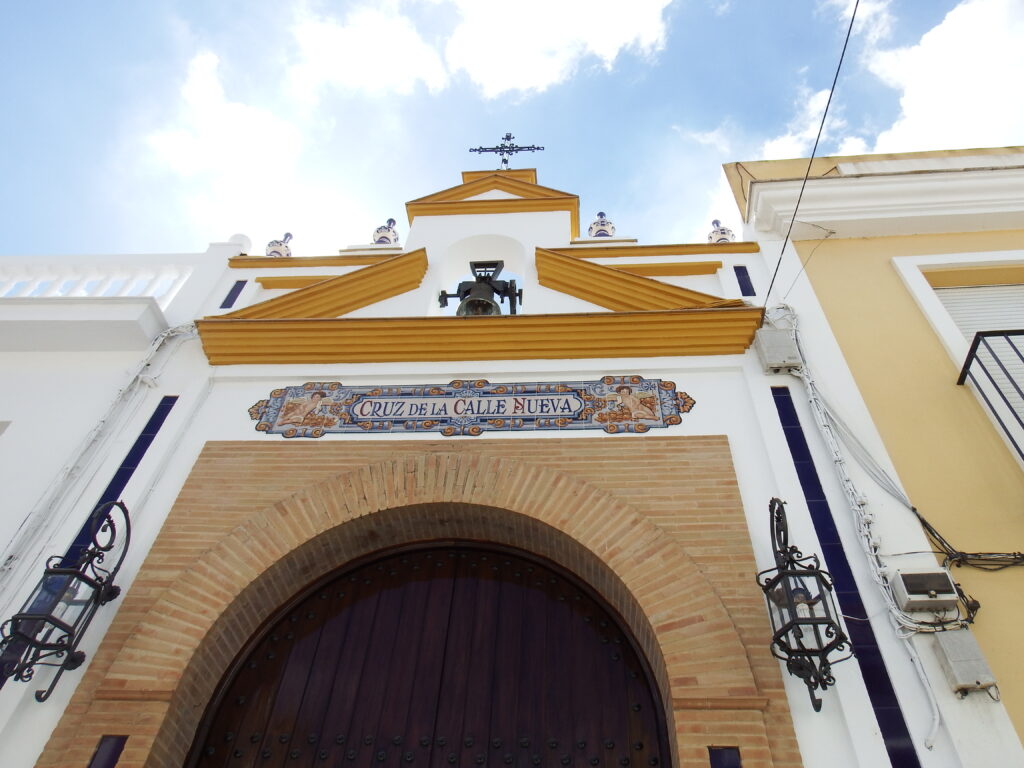
The Town Hall and the Plaza de España
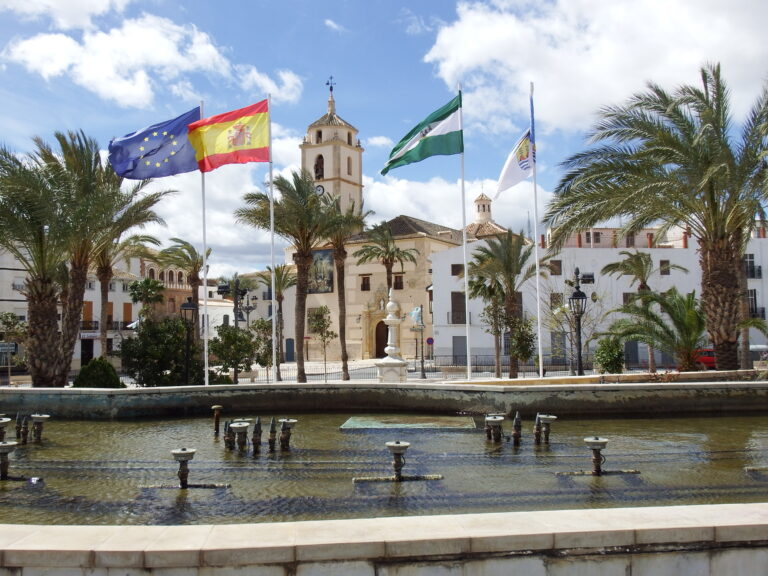
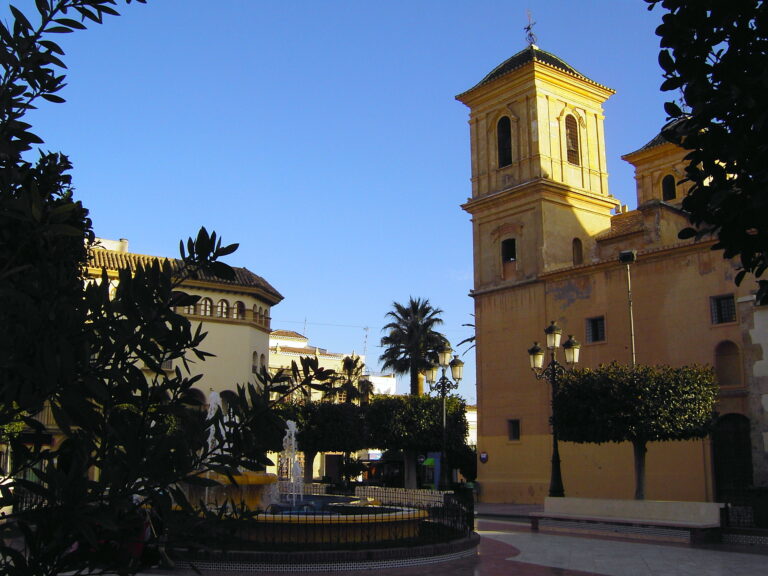
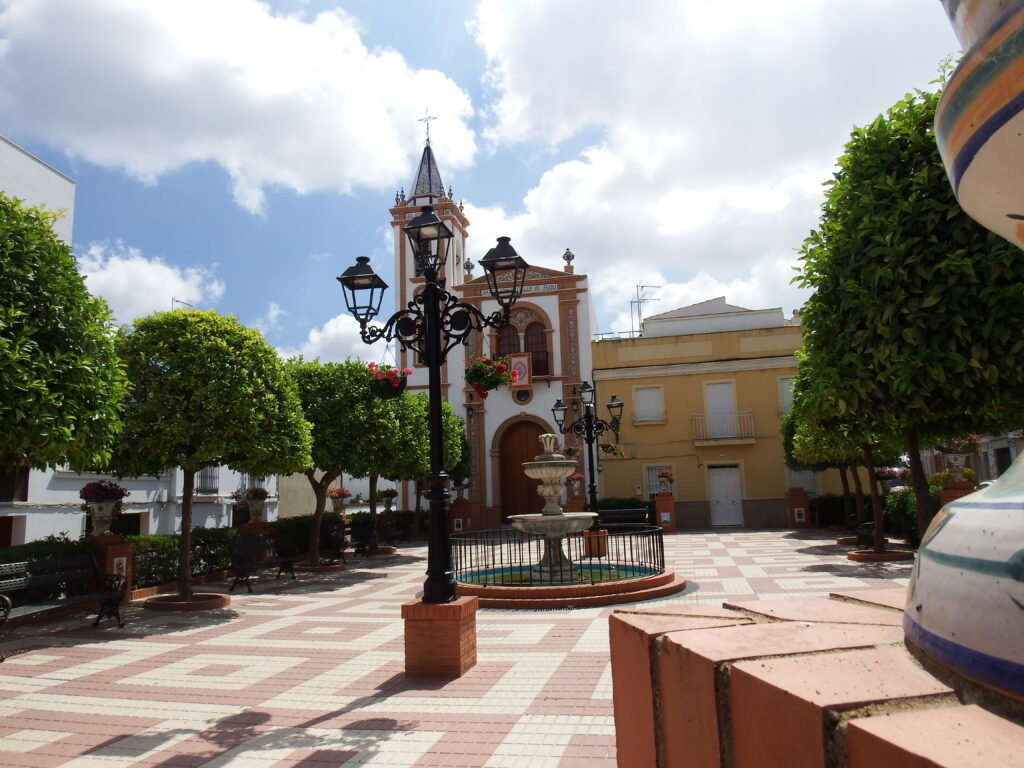
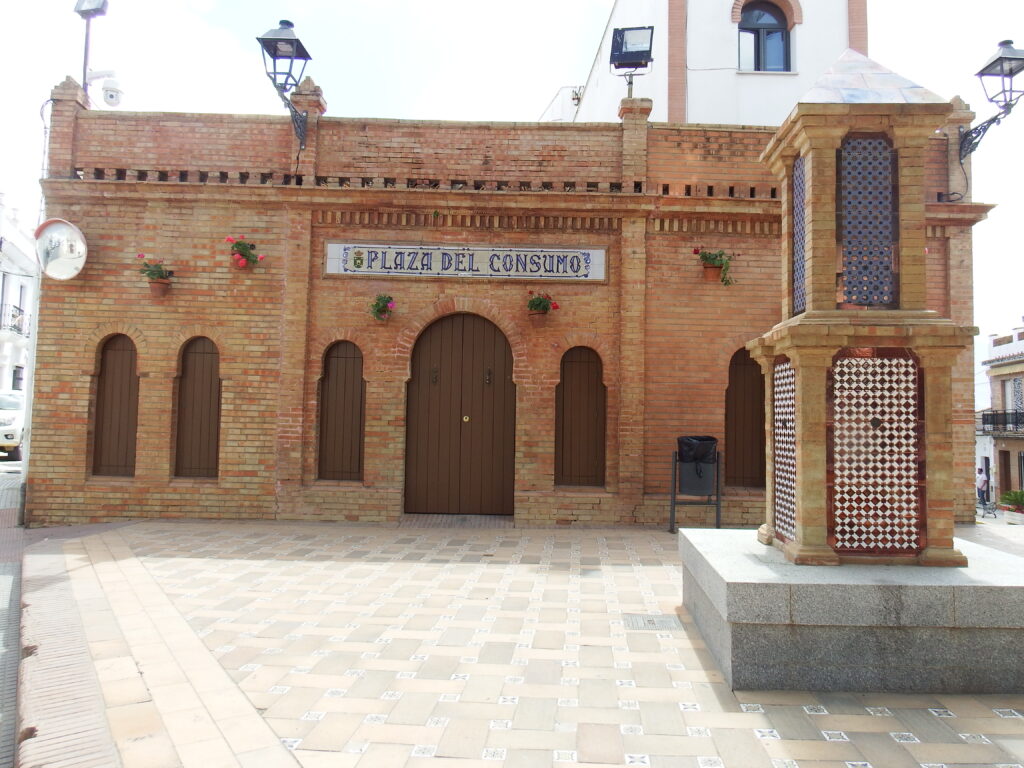
The Town Hall of Bonares, dating from the late 19th century, presides over the Plaza de España, the epicentre of local life. Its Neo-Mudéjar façade combines exposed brickwork with ornamental details that evoke traditional Andalusian architecture. Opposite it, the square becomes a daily stage where children play, older people chat and travellers sit and watch life go by in the shade of the orange trees.
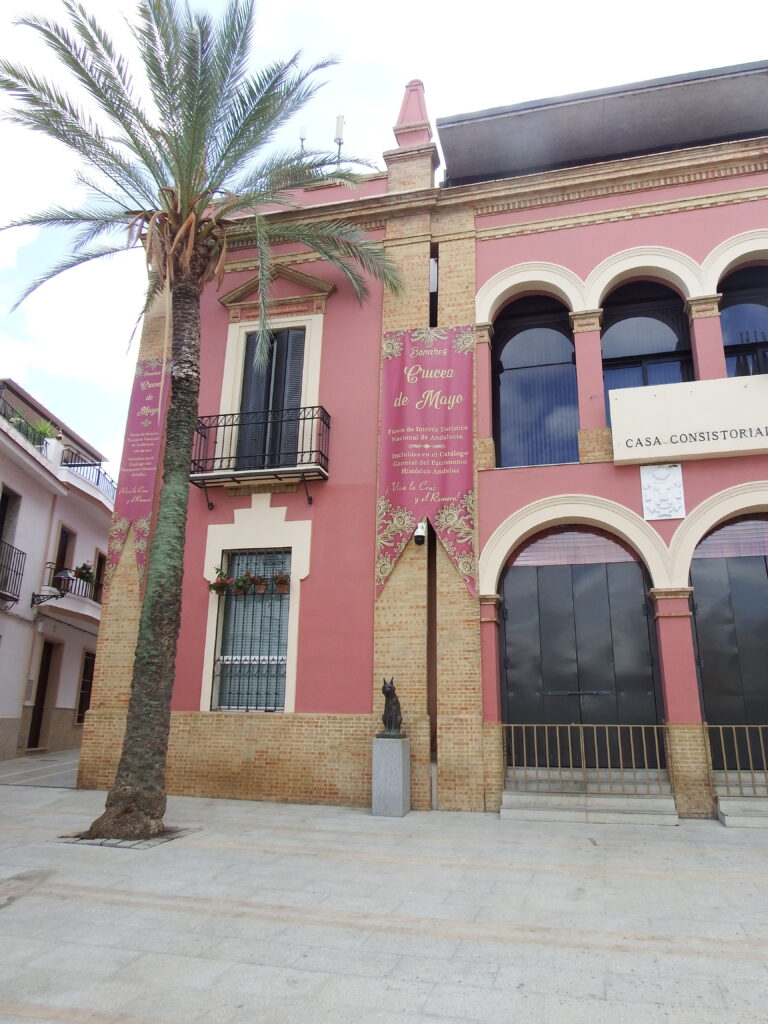
This is where the main public events, concerts and festive celebrations are held, and it is the ideal starting point for exploring the old town.
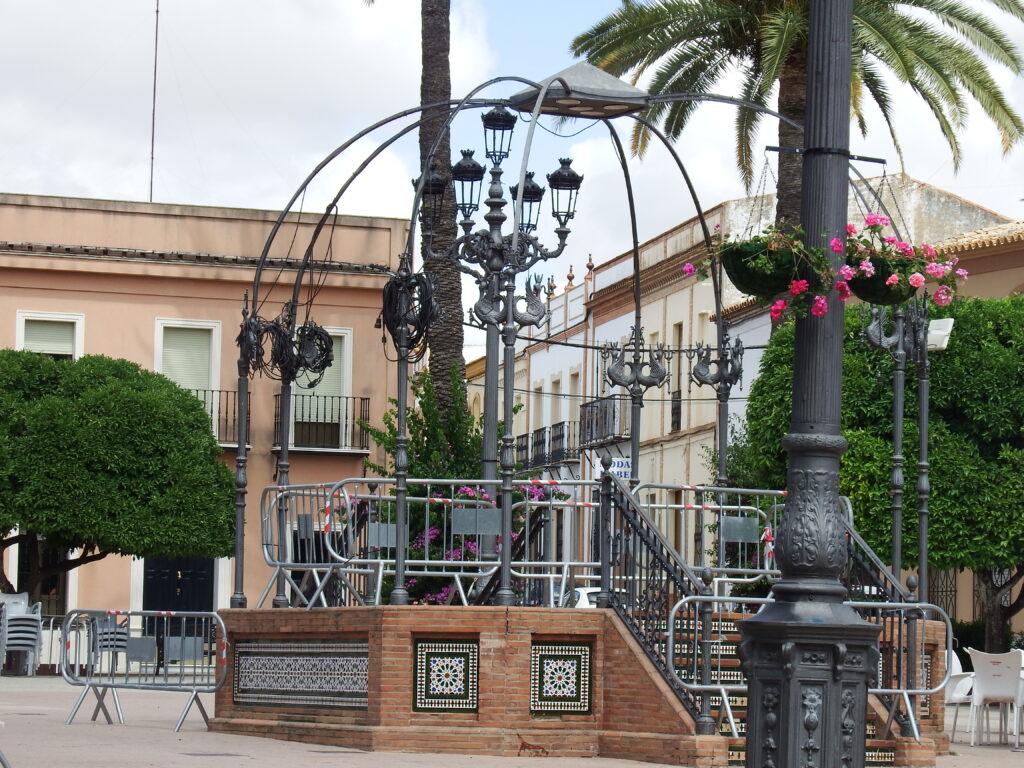
Festivals and traditions: the soul of Bonares
If there is one thing that defines Bonares, beyond its architecture or its surroundings, it is its festivals. This small municipality in Huelva has managed to preserve a festive calendar that combines religiosity, art and conviviality, making it a cultural reference point within the province.
Corpus Christi: ephemeral art in the streets
The Corpus Christi in Bonares is undoubtedly its most emblematic festival. Declared a Festival of National Tourist Interest in Andalusia, it transforms the town into a veritable open-air art gallery. Every year, the residents patiently and lovingly create the famous coloured sawdust carpets that cover the streets through which the Holy Procession passes.
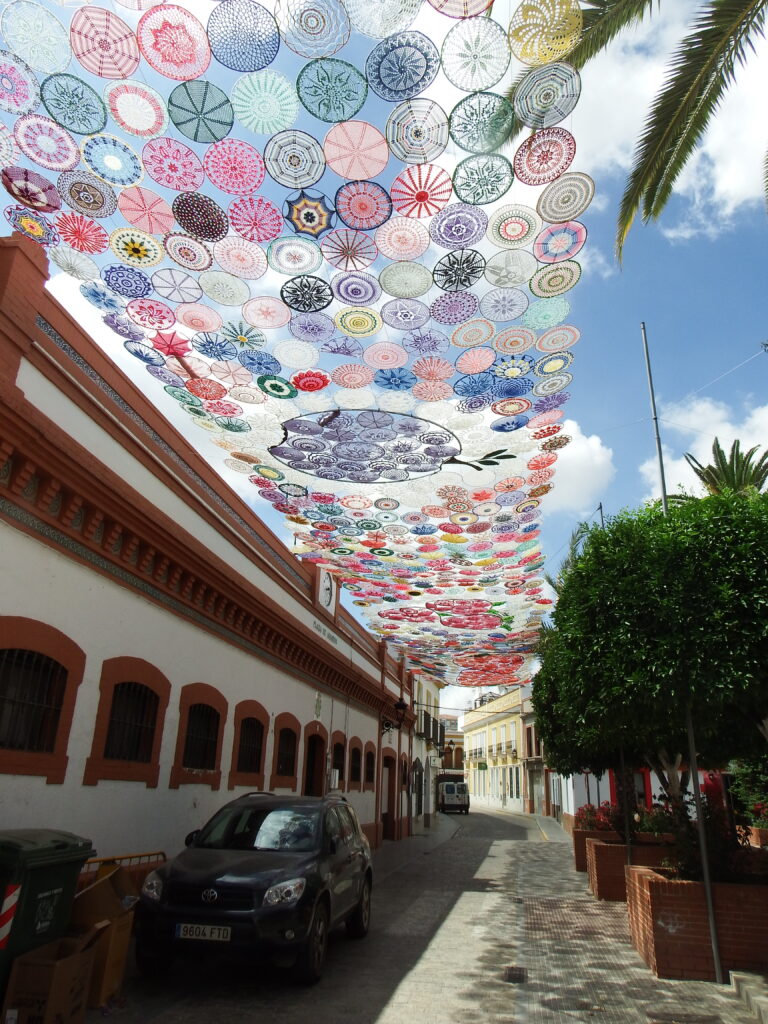
For weeks, the brotherhoods and associations prepare the designs: geometric patterns, floral motifs and religious scenes that are traced directly onto the ground with dyed sawdust. The result is a visual and emotional spectacle, an example of how faith and art can come together to create ephemeral beauty.
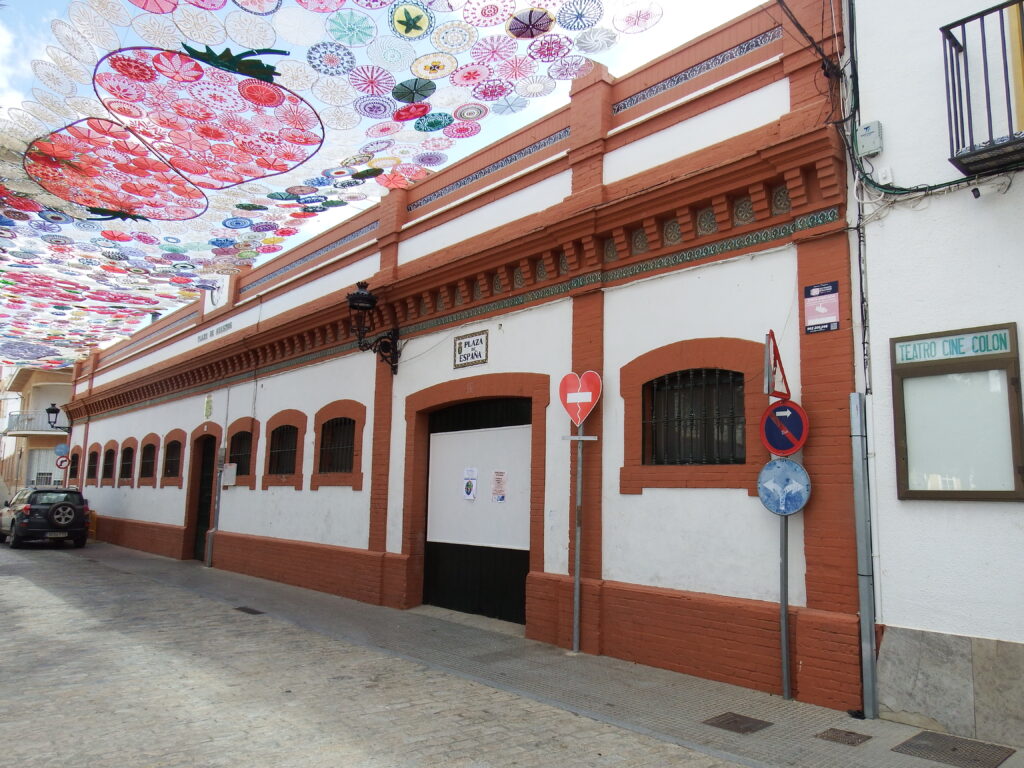
The dawn of Corpus Christi in Bonares has something magical about it: the silence beforehand, the smell of flowers, the murmur of neighbours preparing the final details. Then the procession moves slowly over the carpets, while petals fly and incense mingles with the warm June air. It is a moment that remains etched in the memory of those who experience it.
Pilgrimage of Santa María Salomé
Another unmissable event is the pilgrimage in honour of Santa María Salomé, patron saint of Bonares, which is celebrated in October. Decorated carts, horses, drum music and colourful flamenco costumes fill the roads leading to her chapel. It is a day of devotion, but also of conviviality, where the people of Bonares share food, wine and joy in the natural surroundings of the pine forest.
Las Cruces de Mayo
Las Cruces de Mayo (May Crosses) are the prelude to Corpus Christi and another of the great local traditions. Each neighbourhood decorates its cross with flowers, lights and fabrics, and the brotherhood houses open their doors to welcome visitors with wine from the Condado and traditional sweets. The streets are filled with singing, laughter and hospitality. There is no better time to get to know the genuine character of the town.
Gastronomy: The Flavour of the Condado between Stews and Easter Sweets
The cuisine of Bonares is part of the Andalusian gastronomy of the Condado, characterised by its variety and its ability to adapt dishes to the seasons.
Main dishes and winter delicacies
The place of honour at the Bonares table is occupied by the slaughter of the pig, celebrated in the winter months, from which numerous tasty products are derived.
- La Caldereta: An iconic dish, a spicy meat stew accompanied by stewed potatoes and vegetables.
- Asado en ‘Colorao’: Meat marinated for a day in a very spicy broth with paprika and garlic, traditionally roasted in the embers of a fire.
- Caracoles en ‘Colorao’: A succulent tapa that shares its culinary base with the roast, containing paprika, garlic, fino wine and diced ham.
- Guísos de Revoltillo: Lamb offal tied with tripe.
- Vinagreras: Dishes made with wild spinach.
- La Tostá: A simple but delicious classic: country bread toasted with garlic and oil, often accompanied by fish such as berdigones or cod.
The Sweetness of the Earth
For dessert, tradition dictates that you try the typical homemade sweets.
- Easter cakes or Hornazos: The most popular dessert, made with a base of ground almonds, lemon zest, flour, sugar, egg and cinnamon.
- Red berries: Today, strawberries and raspberries, pillars of the modern economy, are a delicious natural ending to any meal or a key ingredient in more elaborate desserts.
Finally, any delicacy must be washed down with the region’s traditional white wine, maintaining the wine-making heritage that brought Bonares so much prestige in centuries past.
Natural surroundings and nearby routes
Bonares not only preserves history in stone, but also protects botanical curiosities of European significance, situated in a privileged location between the fields of the Condado and the gates of the Doñana National Park. Its surroundings are ideal for those seeking tranquillity, nature and little-travelled routes.
The Arboretum of El Villar
This is one of the largest living collections of eucalyptus trees in Europe. This experimental plantation, covering 69.50 hectares, originally brought together more than 70 varieties of the Eucalyptus genus. Conceived as a natural laboratory to determine the species best suited to southern Andalusia, it is a botanical curiosity of great interest and has been adapted for visitors.
El Corchito Natural Area
A beautiful area covered with pine trees, it offers a recreational area with facilities, ideal for picnics and social gatherings, and is also home to the El Corchito Industrial Estate, an economic driver for the town.
Bonares Pine Forest
Just a few minutes from the town centre lies the Pinar de Bonares, a natural area of great beauty, with recreational areas and marked trails. Here you can breathe in the scent of rosemary and rockrose, and it is common to see families walking or cyclists enjoying the surroundings. During the pilgrimage, this place comes alive, becoming a small temporary village of carts and tents.
Routes through the county
From Bonares, it is easy to reach other charming towns such as Niebla, with its impressive medieval walls; Lucena del Puerto, with its agricultural landscapes; or Rociana del Condado, famous for its wineries. Just over half an hour away is the Huelva coast, with beaches such as Matalascañas and Mazagón, ideal for a seaside getaway.
For hiking enthusiasts, the rural paths of Bonares offer gentle itineraries through vineyards, olive groves and pine forests, ideal for discovering the rolling landscape of inland Huelva.
Access Guide: Connectivity and Location
Bonares is strategically located 32 km from Huelva and about 65 km from Seville. The most convenient access is by road via the A-49.
- Airports: The nearest airports are Seville (SVQ), about 90 km away, and Faro (FAO) in Portugal, about 140 km away, making it easy for international travellers to reach the town.
- Public Transport: There are regular bus routes connecting the town with Huelva and other major cities in the area.
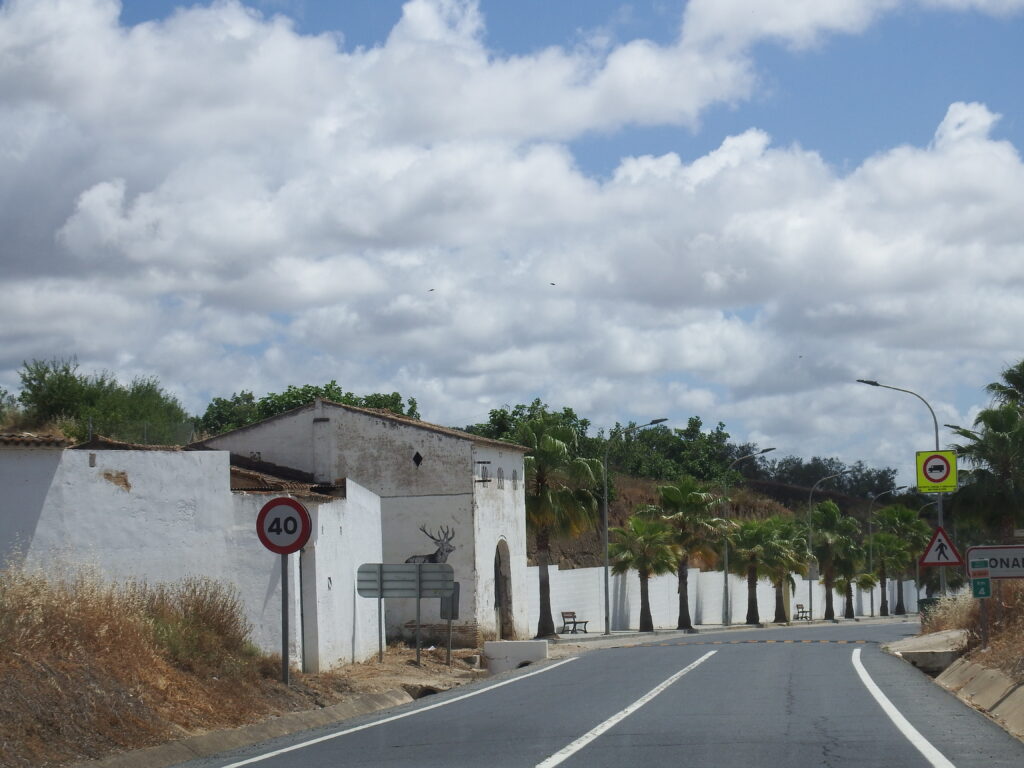
Bonares sits on a succession of alcores (low hills) which, despite their altitude of 81 metres above sea level, give the town a feeling of being low-lying. This landscape slopes gently down to the edge of the marshes, near the Río Tinto and San Juan del Puerto.
What to see in Huelva
If, in addition to visiting Bonares, you want to learn more about Huelva, we suggest other places that we have added to our map, so you can add them to your itinerary:
- Bollullos Par del Condado: A place steeped in wine and religion.
- Isla Cristina: If you want a place with a beach, this is a good option.
- Villarrasa: An inland village with a lot of soul.
- Zufre: Another inland village near the Sierra de Huelva.
- El Portil: A beach destination that is not too crowded.
- Moguer: Visit the home of Juan Ramón Jiménez.
- Mazagón: Unspoilt beaches stretching as far as the eye can see, pine forests and a tranquillity that seems to stand still in time.
- Aljaraque: A town where you can immerse yourself in nature or enjoy Andalusian culture.
- Rociana del Condado: Its historic center has been declared a Historic-Artistic Site.
- Galaroza: This white village in northern Huelva combines heritage and nature in perfect balance.
- Alosno: Mining history and birthplace of the fandango in Huelva.
Bonares, a place where tradition never dies
Bonares is much more than a rural destination: it is a place where traditions are still alive, where art is born from the hands of the people and where visitors are welcomed as one of their own. Its Corpus Christi, its crosses, its pine forest and its people make up a mosaic of emotions that will be remembered long after you return home.
Those who visit Bonares, Huelva, not only discover a beautiful village, but also a way of understanding life: simple, bright and deeply human. And perhaps, on that stroll through its decorated streets, under the shade of a vine or the song of the cicadas, one understands that true art — like the Corpus Christi carpets — does not need to last to be eternal.
Photo Credits
Below are the photo credits in order of appearance. Royalty-free photos will not be listed below:
- Cover Image: 19Tarrestnom65, CC BY-SA 4.0, via Wikimedia Commons
- 19Tarrestnom65, CC BY-SA 4.0, via Wikimedia Commons
- 19Tarrestnom65, CC BY-SA 4.0, via Wikimedia Commons
- 19Tarrestnom65, CC BY-SA 4.0, via Wikimedia Commons
- 19Tarrestnom65, CC BY-SA 4.0, via Wikimedia Commons
- 19Tarrestnom65, CC BY-SA 4.0, via Wikimedia Commons
- 19Tarrestnom65, CC BY-SA 4.0, via Wikimedia Commons
- 19Tarrestnom65, CC BY-SA 4.0, via Wikimedia Commons
- 19Tarrestnom65, CC BY-SA 4.0, via Wikimedia Commons
- 19Tarrestnom65, CC BY-SA 4.0, via Wikimedia Commons
- 19Tarrestnom65, CC BY-SA 4.0, via Wikimedia Commons
- 19Tarrestnom65, CC BY-SA 4.0, via Wikimedia Commons
- 19Tarrestnom65, CC BY-SA 4.0, via Wikimedia Commons
- 19Tarrestnom65, CC BY-SA 4.0, via Wikimedia Commons
- CarlosVdeHabsburgo, CC BY-SA 4.0, via Wikimedia Commons
- 19Tarrestnom65, CC BY-SA 4.0, via Wikimedia Commons
- 19Tarrestnom65, CC BY-SA 4.0, via Wikimedia Commons
- 19Tarrestnom65, CC BY-SA 4.0, via Wikimedia Commons
- 19Tarrestnom65, CC BY-SA 4.0, via Wikimedia Commons
- 19Tarrestnom65, CC BY-SA 4.0, via Wikimedia Commons