What to see in Pals (Girona): the medieval jewel between rice fields and the sea on the Costa Brava
Small, medieval and enchanting, Pals is one of those places where time stands still. Its cobbled, flower-filled old town winds its way through arches and narrow streets that evoke the past and defy modernity. Located in the heart of the Baix Empordà, this municipality in Girona sits on a gentle hill overlooking rice fields, the Mediterranean Sea and the mountainous profiles of Montgrí and the Medes Islands.
Pals combines history, landscape and gastronomy with a harmony that makes it one of the most beautiful and best-preserved jewels of the Costa Brava.

The essence of Pals: stone, sea and tradition
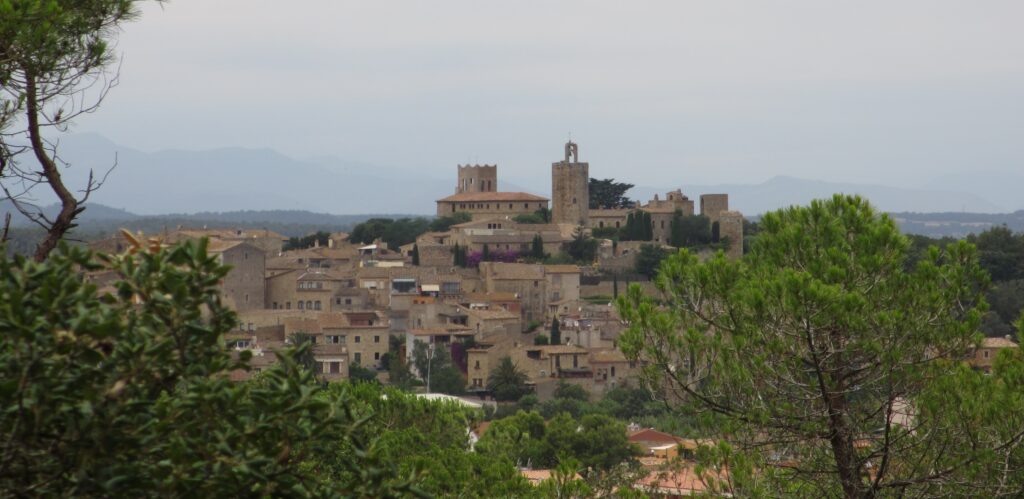
Protected inland by the Montgrí and Begur mountain ranges, this municipality in Girona is a compendium of Catalan history, a monumental ensemble that refuses to be a mere medieval backdrop. Pals, with its unmistakable profile dominated by the Torre de les Hores, is a testament to resilience: a fortress rebuilt on its own ruins, a place where time, rather than passing, seems to have fossilised with dignity.
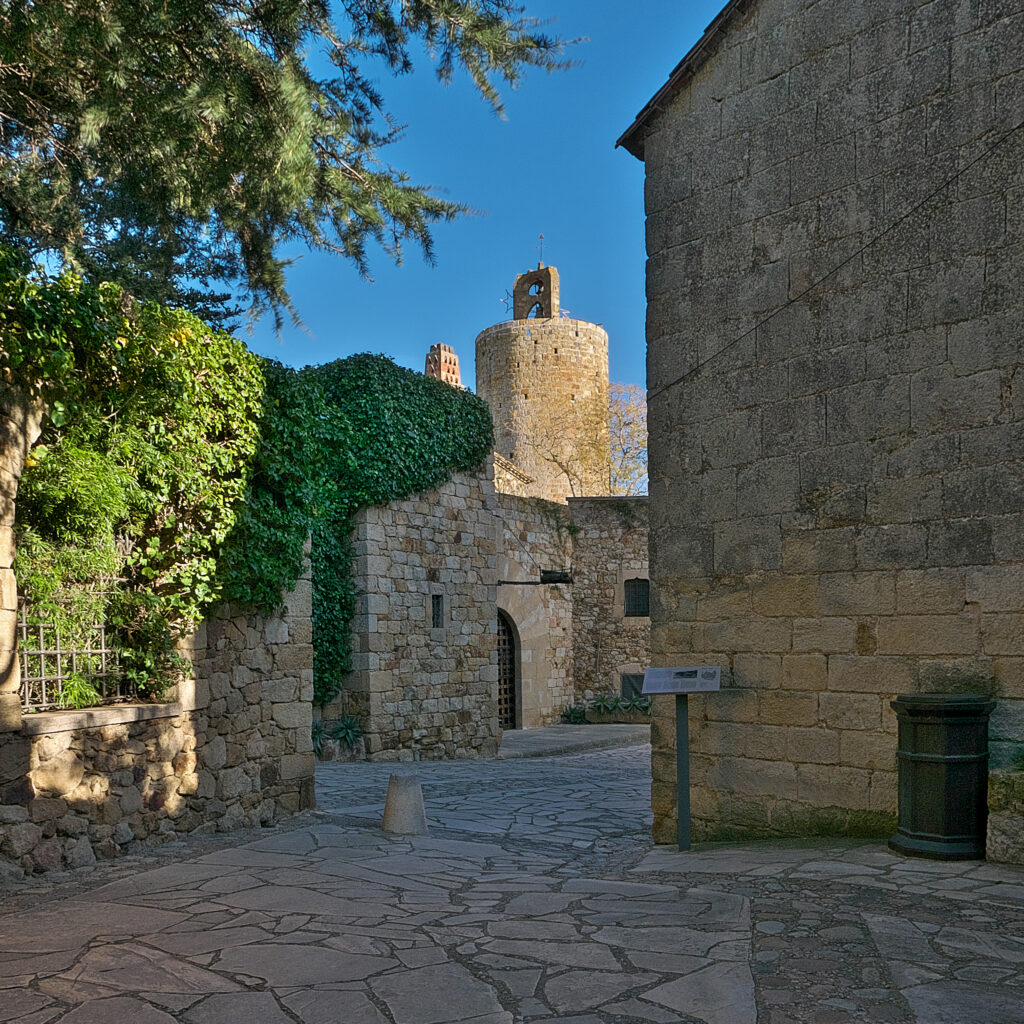
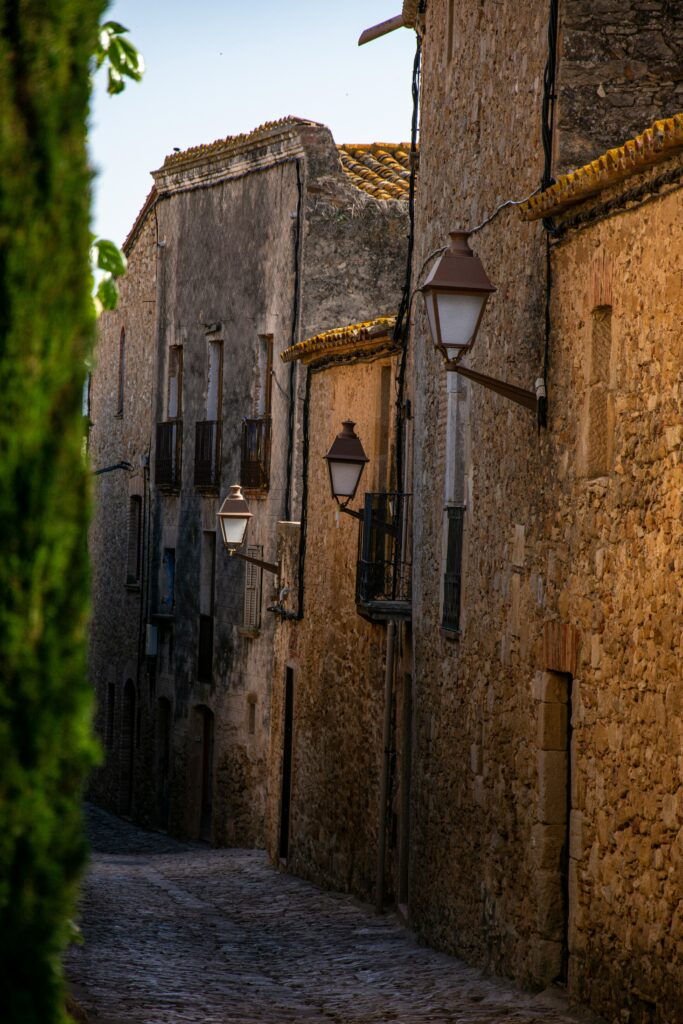
Just 5 kilometres from the coast, Pals seduces with its balance between medieval heritage and rural Empordà life. Its historic centre, known as El Pedró, has been declared a Historic-Artistic Site and preserves the original layout of its streets, walls and stone houses intact. Walking through its streets is an immediate immersion in the Gothic and Romanesque Middle Ages, a stroll that forces us to lower our gaze out of respect for its stones and raise it to capture the light filtering through the arches and ogival windows.
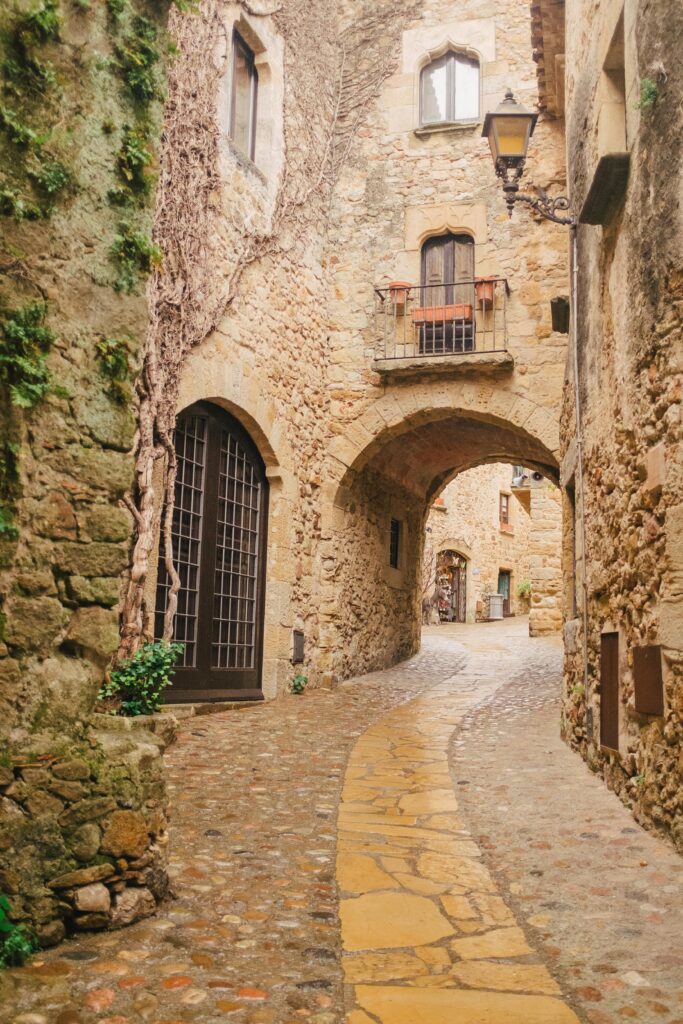
The original town suffered considerable damage after successive wars, especially the Catalan Civil War of the 15th century and the conflicts of the 20th century. El Pedró is a masterpiece of restored civil architecture, the result of a conscious and scrupulous effort to respect the original, which lasted for more than three decades from 1948 onwards, led by local figures such as Doctor Jaume Pi i Figueres. All around, the rice fields reflect the skies of the Empordà, and beyond, the Mediterranean awaits with wide, quiet beaches.
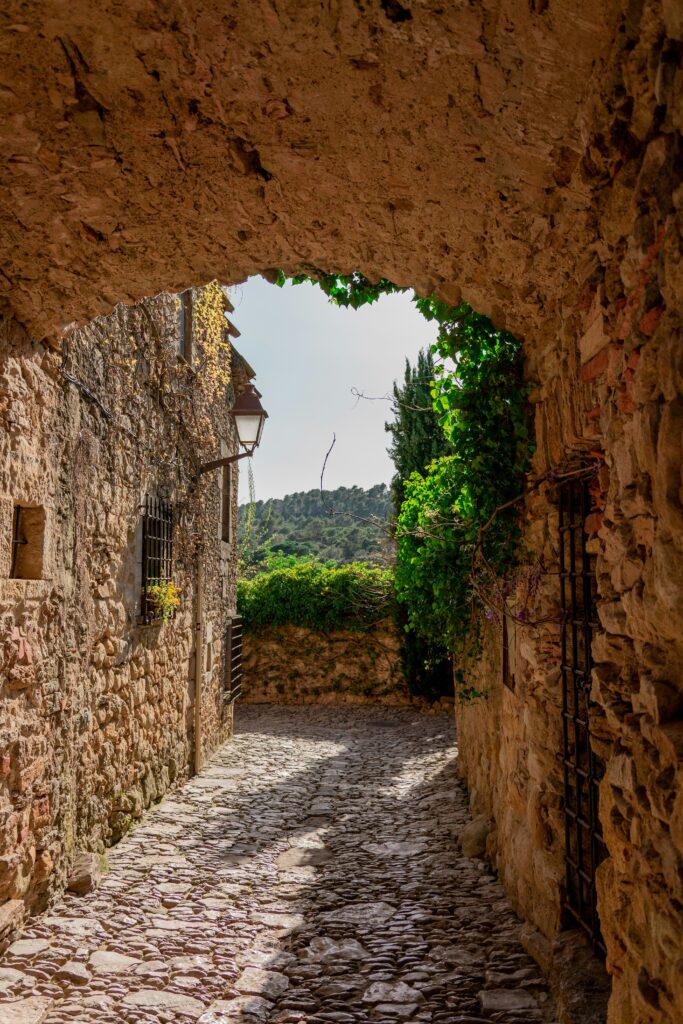
Visiting Pals means letting yourself be carried away by the sound of footsteps on the cobblestones, the scent of geraniums in the windows and the echo of a history that dates back to the 9th century. It also means enjoying the taste of Pals rice, the warmth of its people and the calm that only villages with soul can offer.
History and heritage of Pals
The name Pals comes from the Latin palus, meaning “swamp”, and refers to the ancient wetlands that surrounded the hill on which the village stands. As early as 889, there are records of Mont-Aspre Castle, the seed of the current medieval town centre. Over the centuries, the town has experienced revolts, reconstructions and periods of splendour.
The history of Pals is the history of its fortifications. Although the town once had an imposing castle, the Catalan civil war against John II in the 15th century decimated it, and the monarch allowed its stones to be reused. This historical recycling was not an act of forgetfulness, but of survival, as the rocks from the old castle were used to reinforce the church and the surrounding walls.
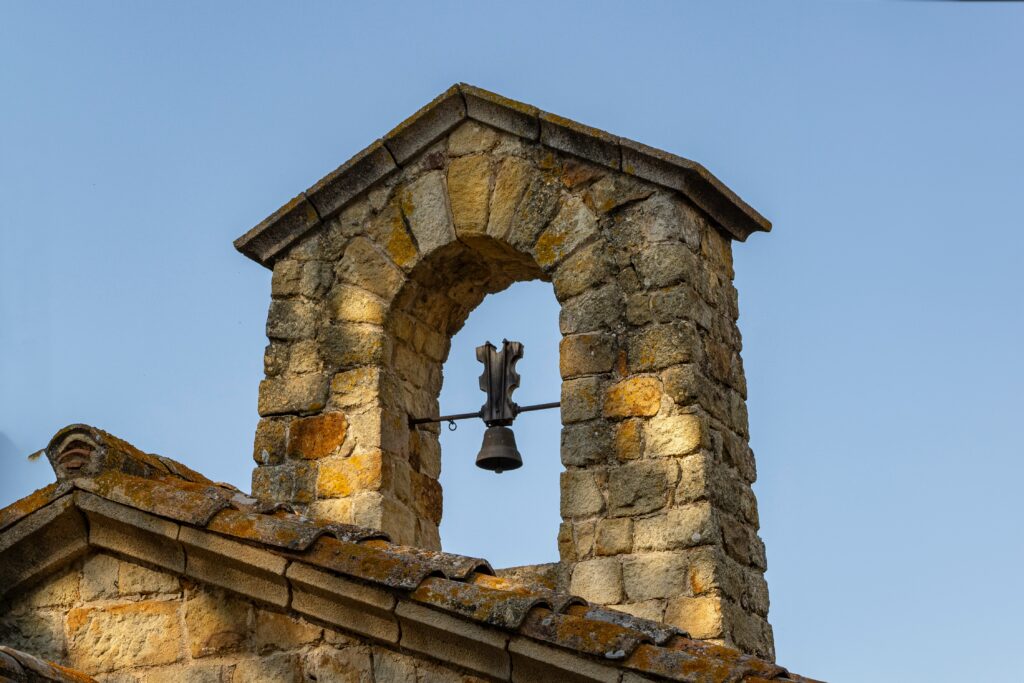
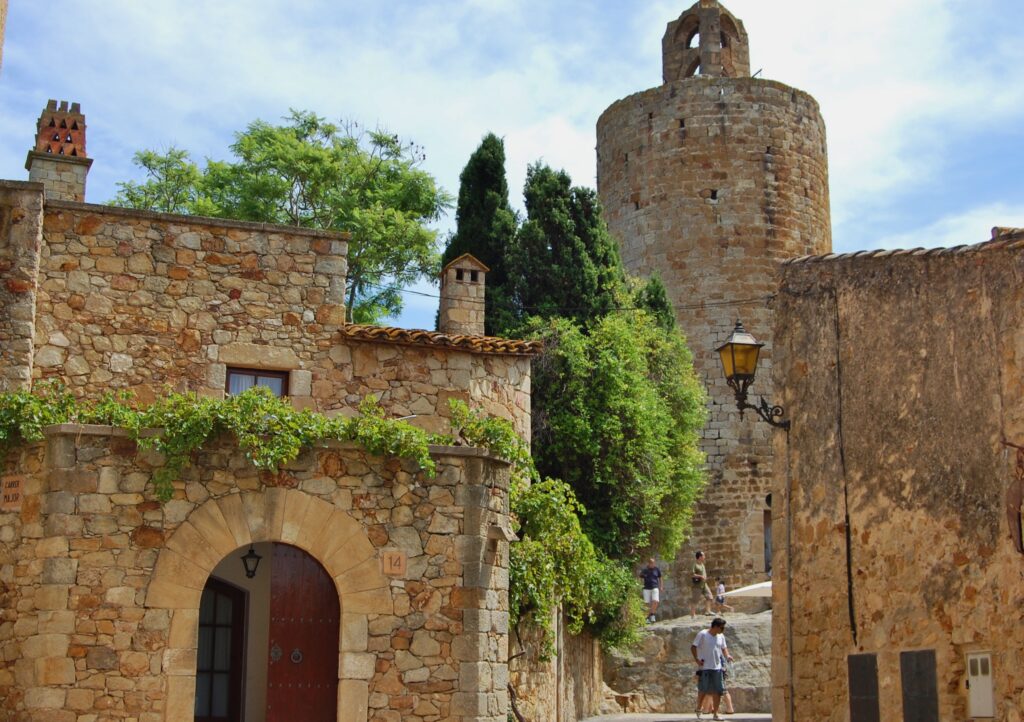
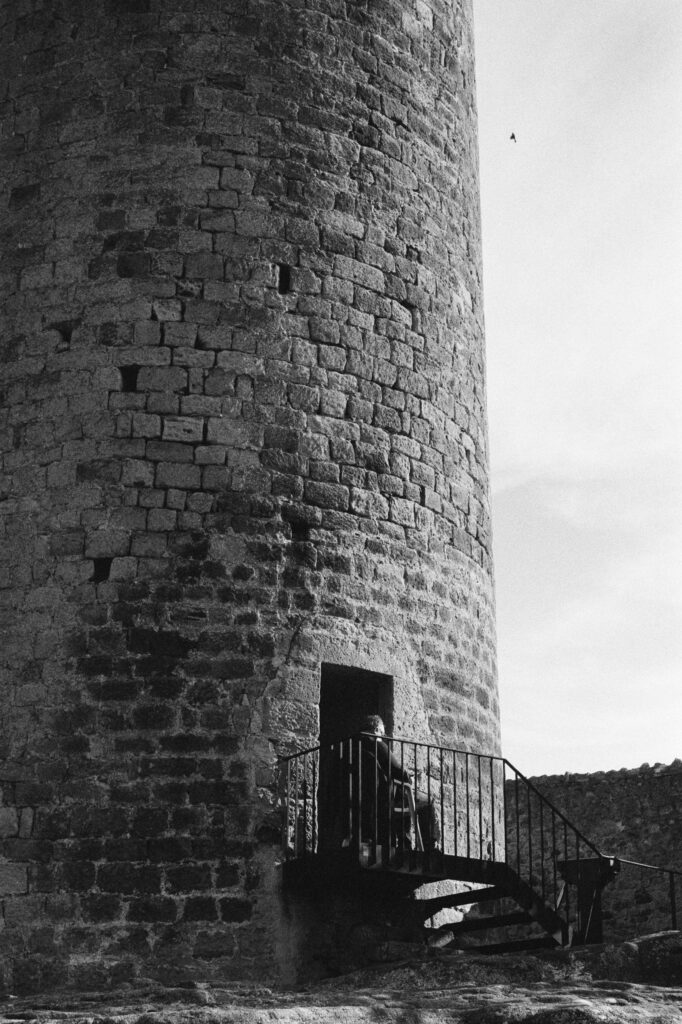
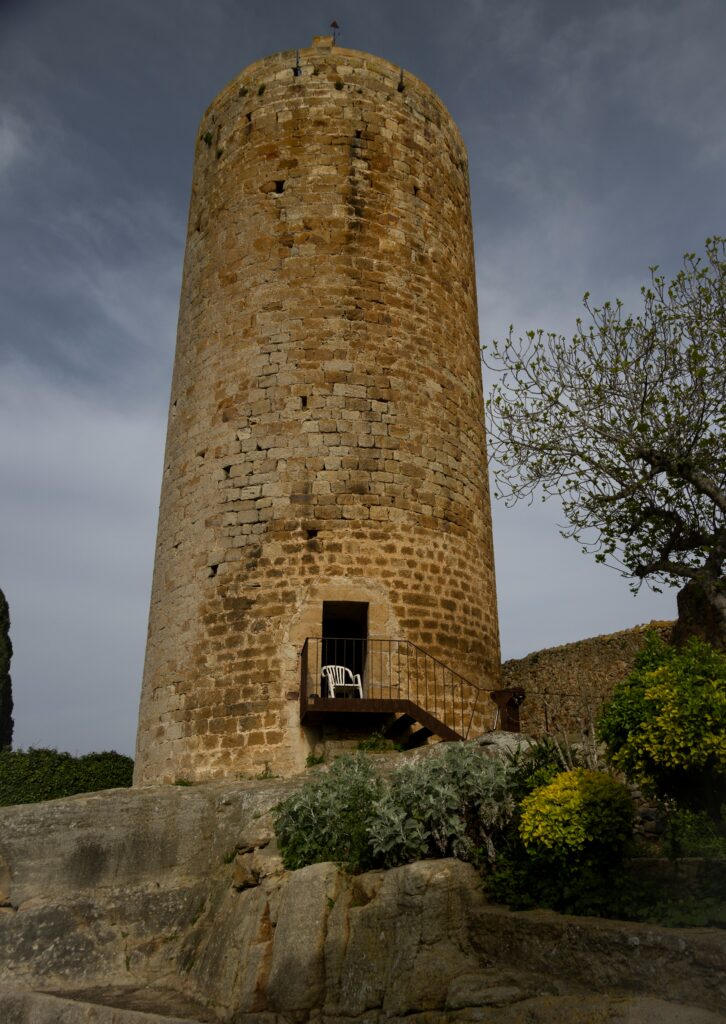
Today, the castle is no longer preserved in its entirety, but its spirit lives on in the Torre de las Horas, the most recognisable feature of the Pals skyline. This tower, with a circular base and a height of around 15 metres, dates from the 11th-13th centuries and was later crowned with a Gothic bell tower. It is a symbol of medieval fortress and a privileged viewpoint over the natural environment.
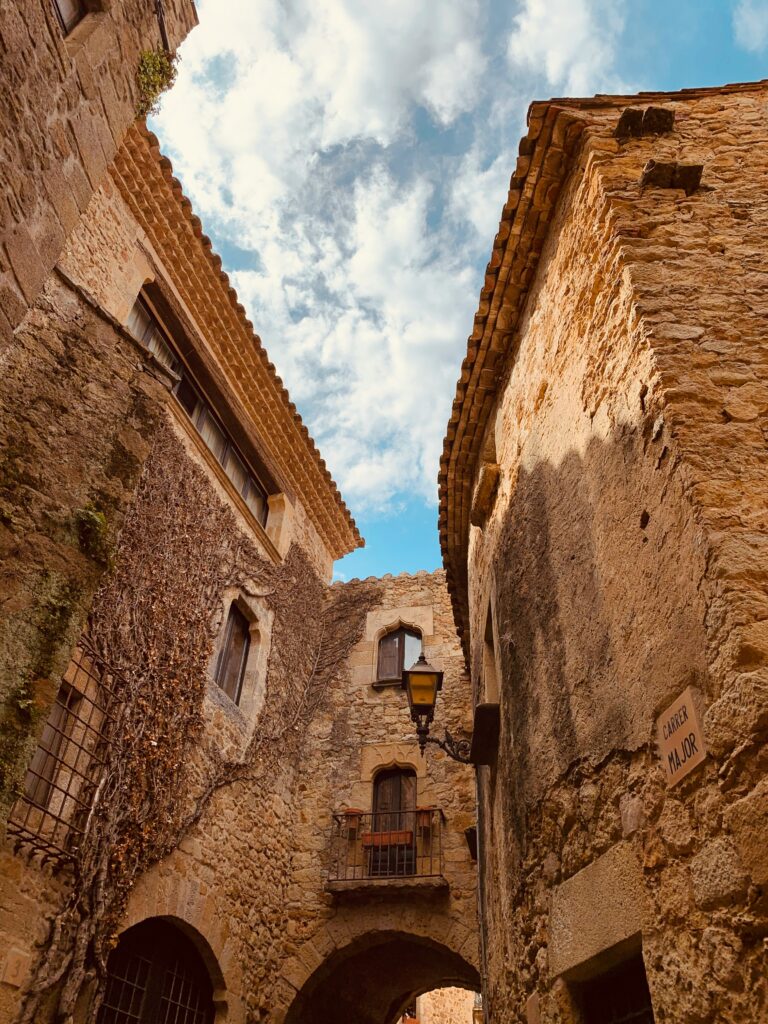
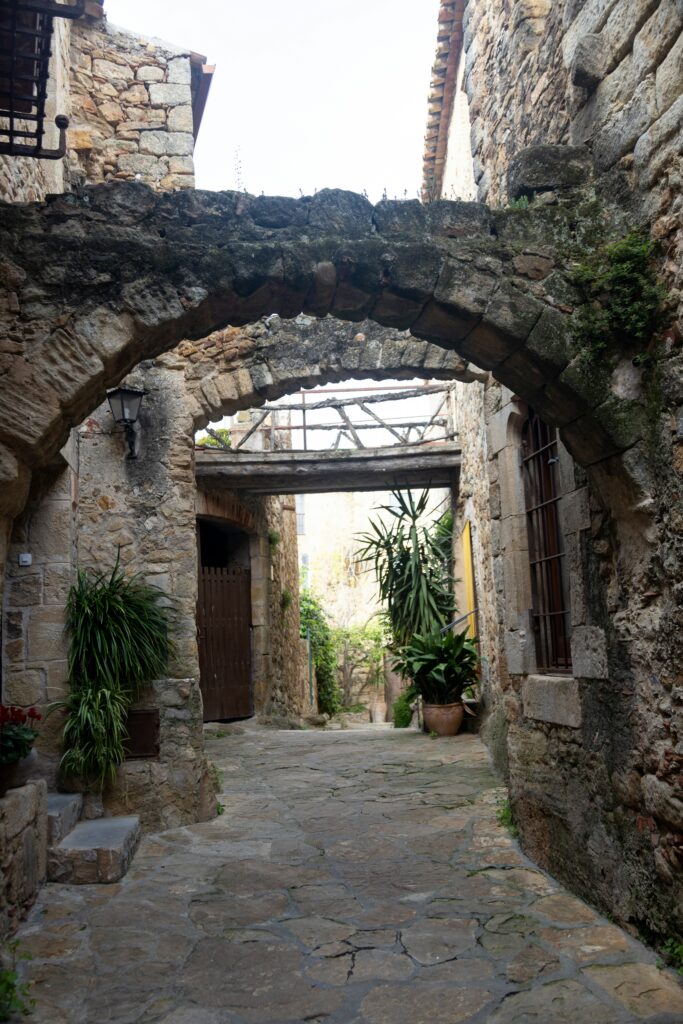
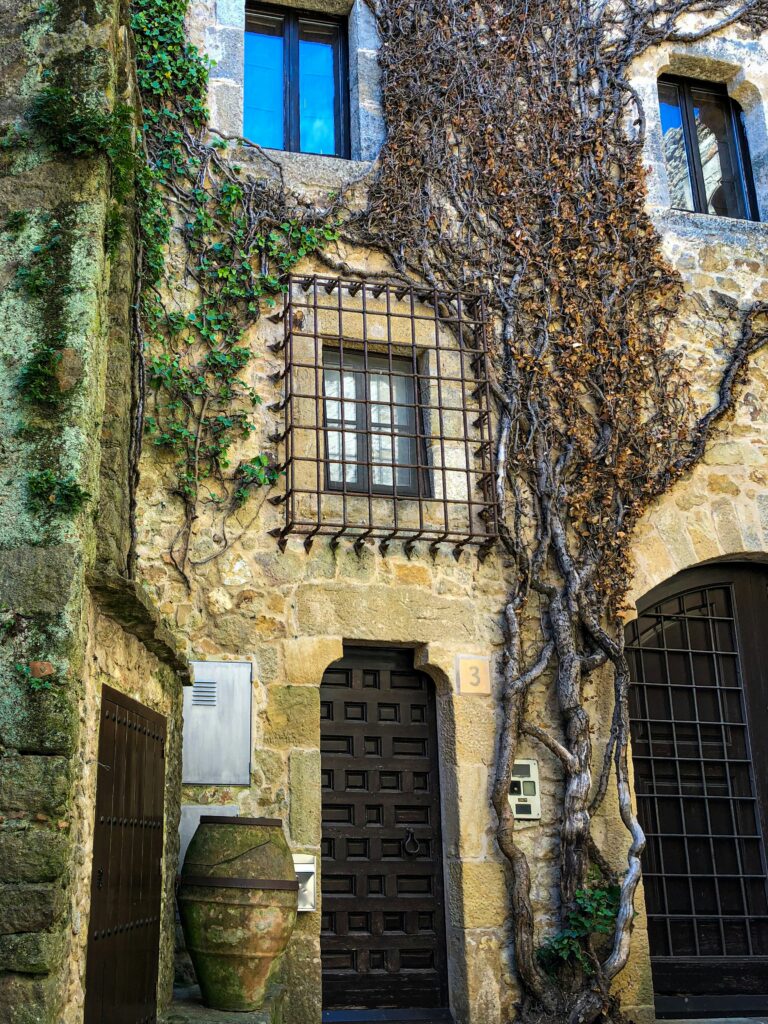
The old town of Pals, with its cobbled streets, semicircular arches, Gothic windows and golden stone walls, has been lovingly restored. Walking through it is like stepping back in time, discovering corners where every stone tells a story.
What to see in Pals (Girona)
1. Pals Castle and the Tower of the Hours
The old castle was the centre of power in medieval Pals. Although only a few remains are left, its defensive tower, known as the Tower of the Hours, still stands as the town’s emblem. Built between the 11th and 12th centuries, this Romanesque tower with a circular floor plan and robust structure stands some 15 metres high on a natural rock podium. It is the only part of the original castle that remains standing. Its name comes from the small Gothic bell tower and clock that were added in the 15th century. Its stylised simplicity makes it a medieval obelisk visible from anywhere in the Empordà region.
2. The Old Town and the Plaza Mayor
The old town of Pals is one of the best-preserved medieval sites in Catalonia. Its streets wind between stone houses, flower-filled balconies and small squares where time seems to have stood still.
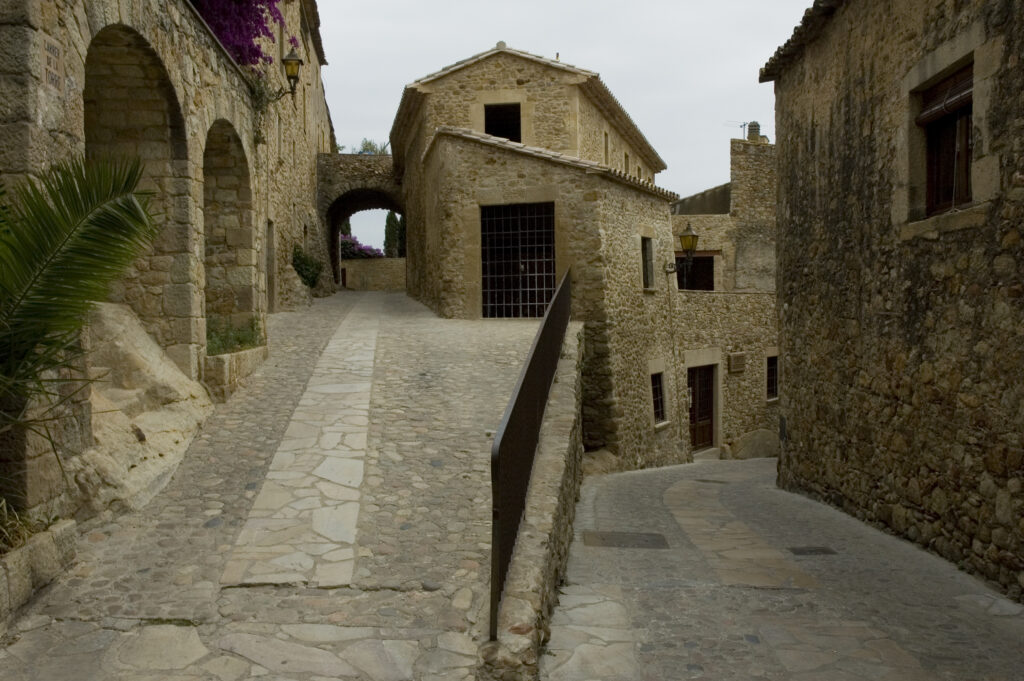
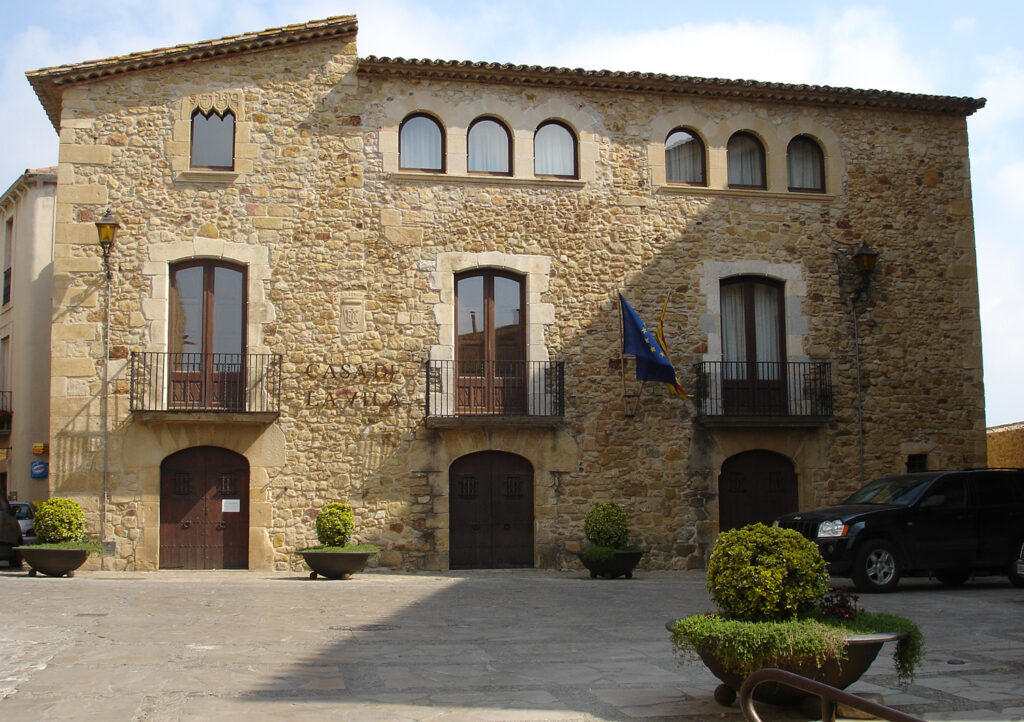
In the Plaza Mayor, the nerve centre of the town, you will find the Town Hall, dating from the 16th-17th centuries, and several charming craft shops, galleries and restaurants. From here, Calle Mayor leads to Visigothic tombs carved in stone, witnesses to a thousand years of history.
3. The Church of Sant Pere
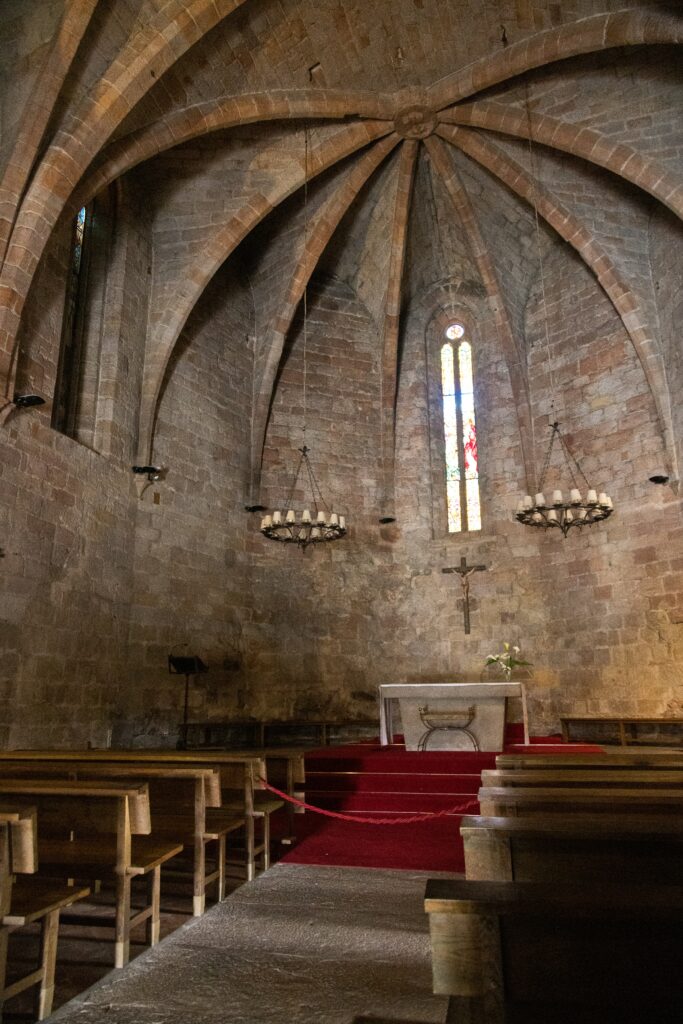
From the ruins of the castle, the stones found a new purpose in the Església de Sant Pere (Church of Saint Peter). Documented since 994, the church has Romanesque origins (11th century). Its current appearance is an architectural palimpsest that combines 15th-century Gothic elements (built with stones from the castle) with the Baroque traces of its façade, remodelled in the 18th century.
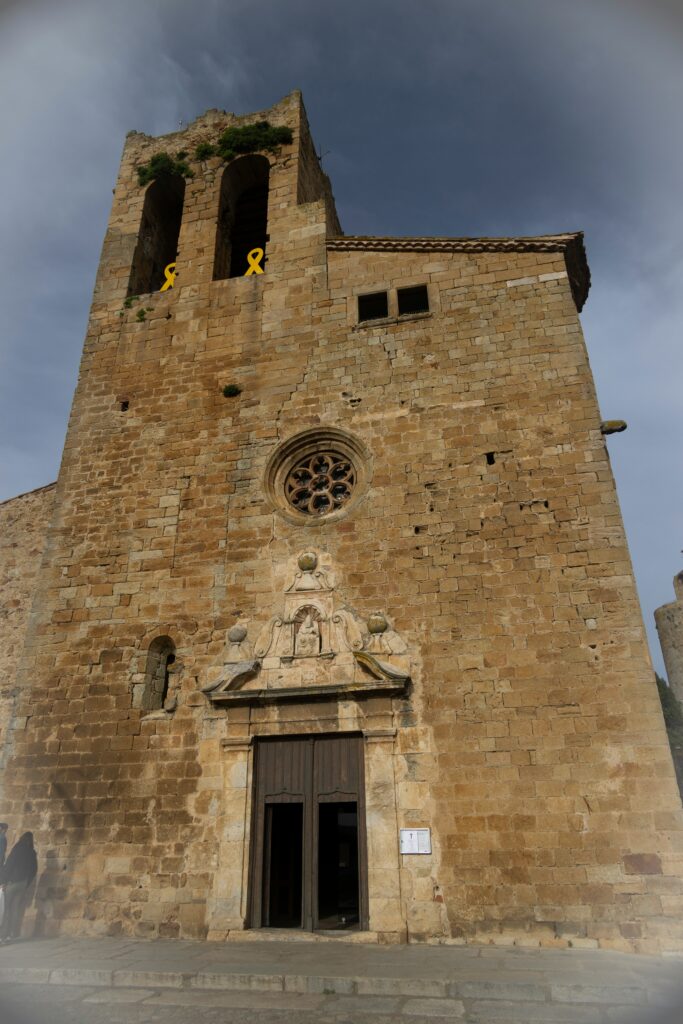
Its interior features a nave with ribbed vaults and a calm and simple atmosphere that contrasts with the tumultuous history of its raw material. From the steps, the view towards the Torre de les Horas is one of the most photographed in Pals.
4. The Medieval Walls
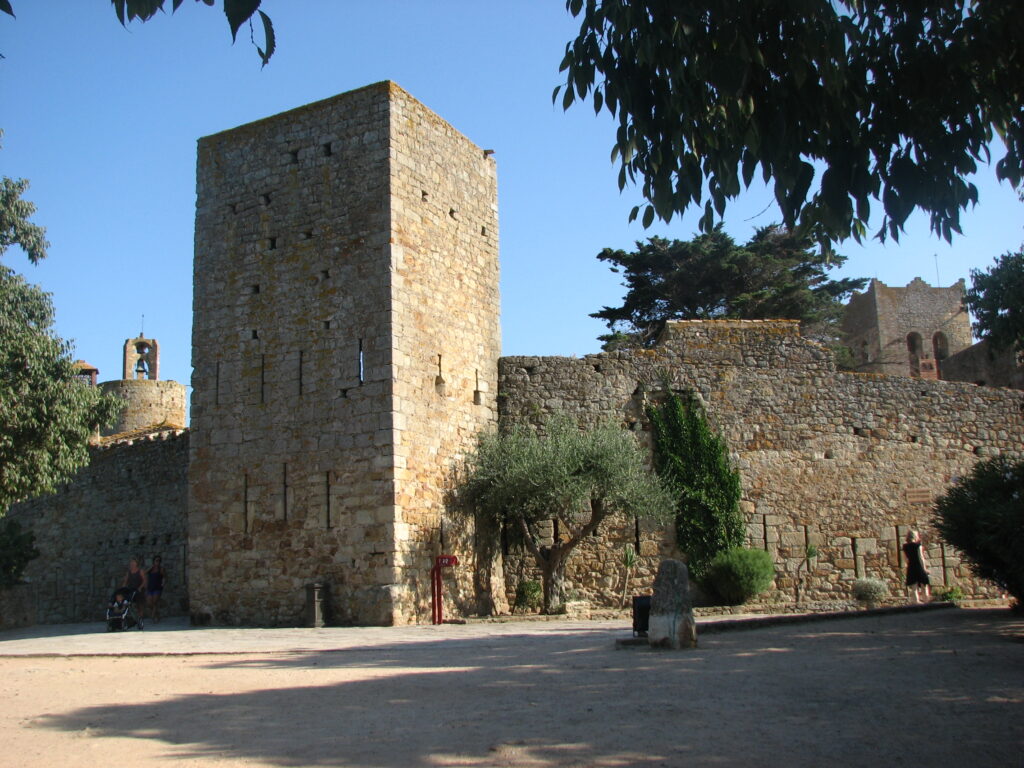
Flanking the town, fragments of the old walled enclosure, built between the 12th and 14th centuries, can still be seen. Sections of walls and four rectangular towers (open to the interior) remain from these defences. The Passeig Arqueològic, which circles the outer perimeter, allows visitors to understand the defensive magnitude of Pals, connecting the Torre de les Hores with the valley and the surrounding rice fields. It is one of the most inspiring places to understand the history and defensive spirit of the place.
5. The Josep Pla Viewpoint
Pals is not just the stone of its village; it is its indissoluble relationship with the surrounding landscape. The village sits on Mont Aspre, allowing it to dominate the vast plain known as L’Empordanet, a territory that was immortalised by the writer Josep Pla.
The Josep Pla Viewpoint: An Inspiring Horizon
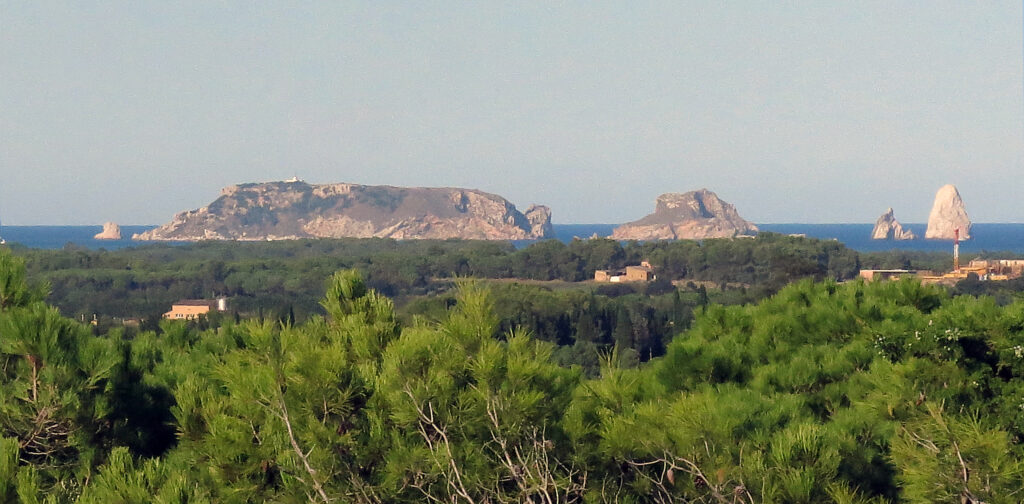
The Josep Pla Viewpoint is, for the visitor, the visual and literary summit of the village. This spot pays tribute to the illustrious writer, originally from nearby Palafrugell, who immortalised the beauty of Pals on countless occasions. From here, visitors are invited to contemplate a panoramic view that encompasses:
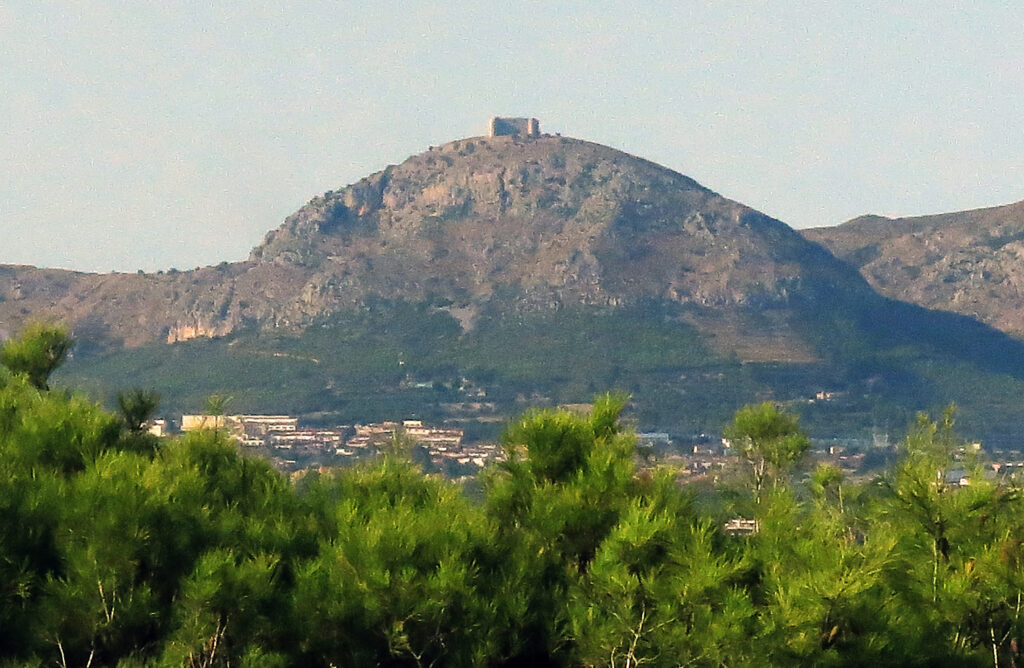
- The Montgrí Massif and the Serra del Cadí: The view of the surrounding mountains, with Puigmal in the distance.
- The Rice Fields and the Plain: The mosaic of cultivated fields stretching to the horizon.
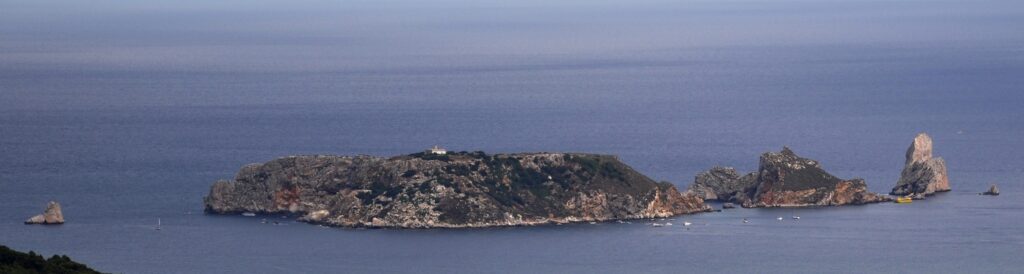
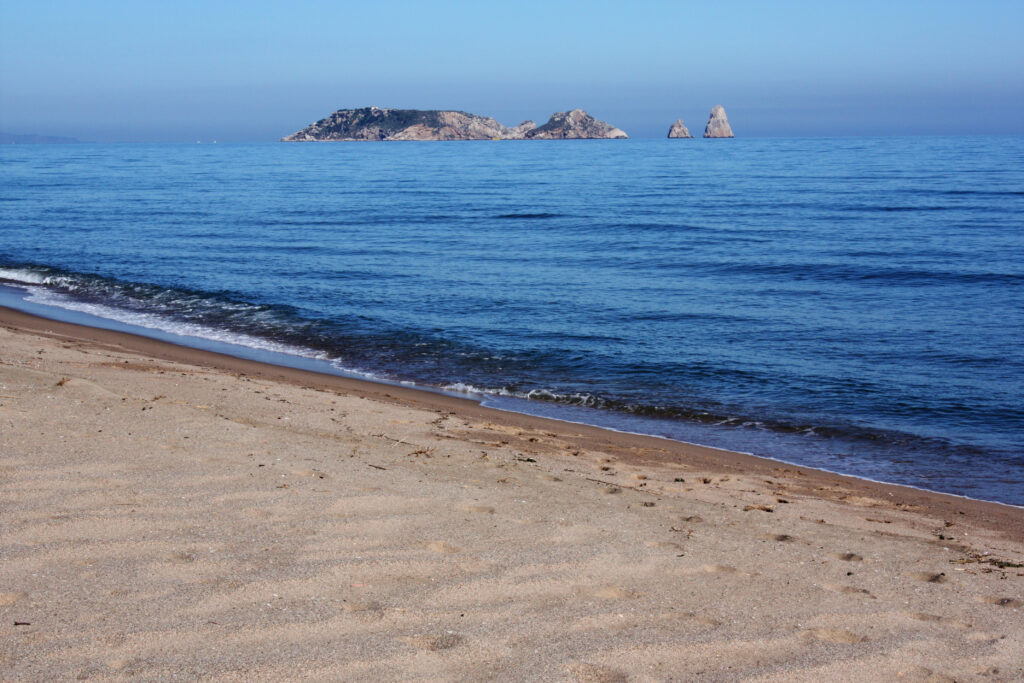
- The sea and the Medes Islands: the coastline and, standing out like mythical islands in the blue, the Medes Islands, a protected marine reserve of exceptional ecological value and a leading diving destination on the Costa Brava.This viewpoint is the starting point of the Archaeological Walk, a peaceful route outside the town walls that offers constant views of the surroundings.
Near this walk is the Old Hospital of Pals, an 18th-century farmhouse dedicated to caring for pilgrims and the sick, which recalls the importance of the town as a stopping point. Pla himself wrote that Pals was ‘one of the most beautiful villages in the world’, and you only have to look out from this spot to understand why. It is an ideal place to watch the sunset and capture the visual essence of the Empordà.
6. Ca la Pruna
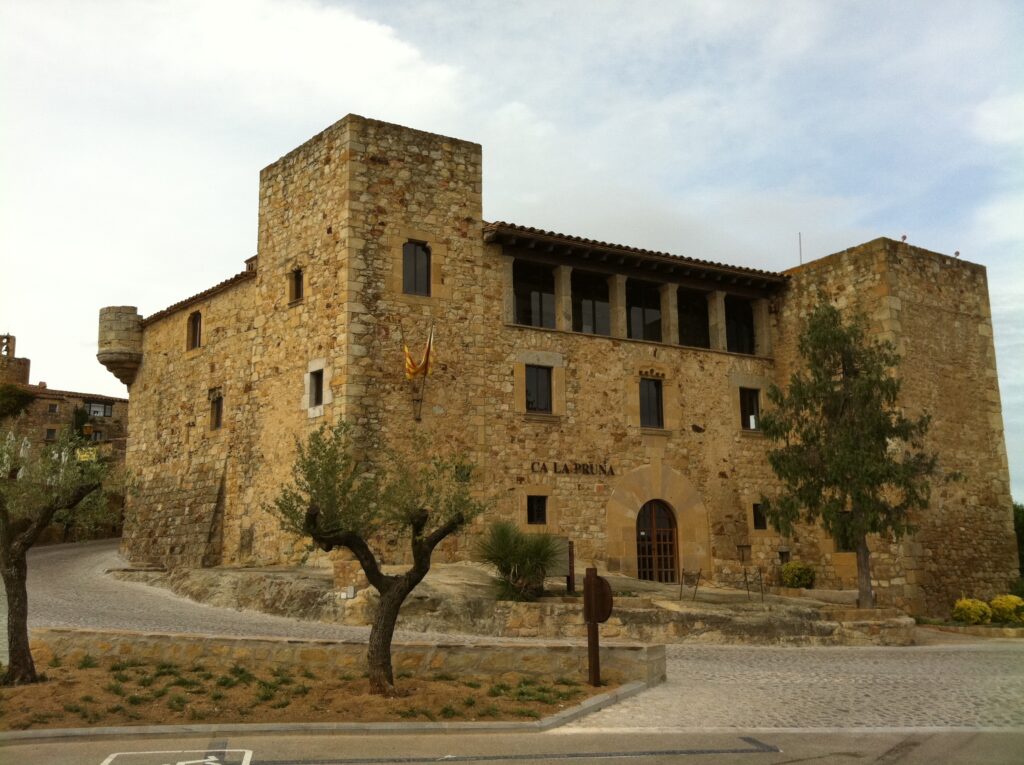
At the entrance to the old town is Ca la Pruna, a 16th-century fortified house that combines Gothic and Renaissance architecture. Today it houses a local museum and the tourist office, as well as rooms dedicated to temporary exhibitions and cultural activities. It is a vital cultural centre that houses a permanent exhibition of wines and cavas from Catalonia, a reconstructed old pharmacy, and an intriguing Museum of Underwater Archaeology, reflecting the dual vocation of Pals: rural and maritime. Its imposing stone façade and restored interior are a testament to the splendour that Pals achieved in times past.
7. Pals Beach
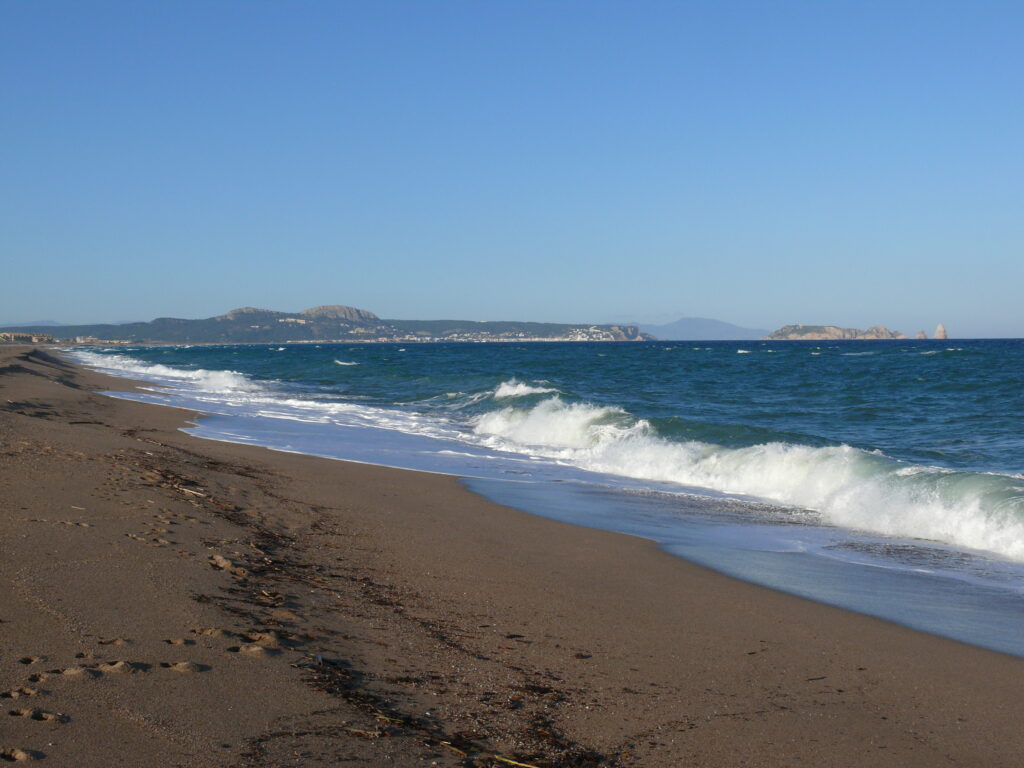
Just 5 kilometres from the medieval town centre lies Pals Beach, a long stretch of sand over three kilometres long, flanked by dunes and pine forests. It is divided into two areas: a more urbanised area with beach bars and services, and a more natural and wild area that blends into the rice fields and the Montgrí, Medes Islands and Baix Ter Natural Park. The water is clean and calm, ideal for families, and when the tramontana wind blows, the place becomes a paradise for surfing, kitesurfing or paddle surfing.
8. The Coastal Path
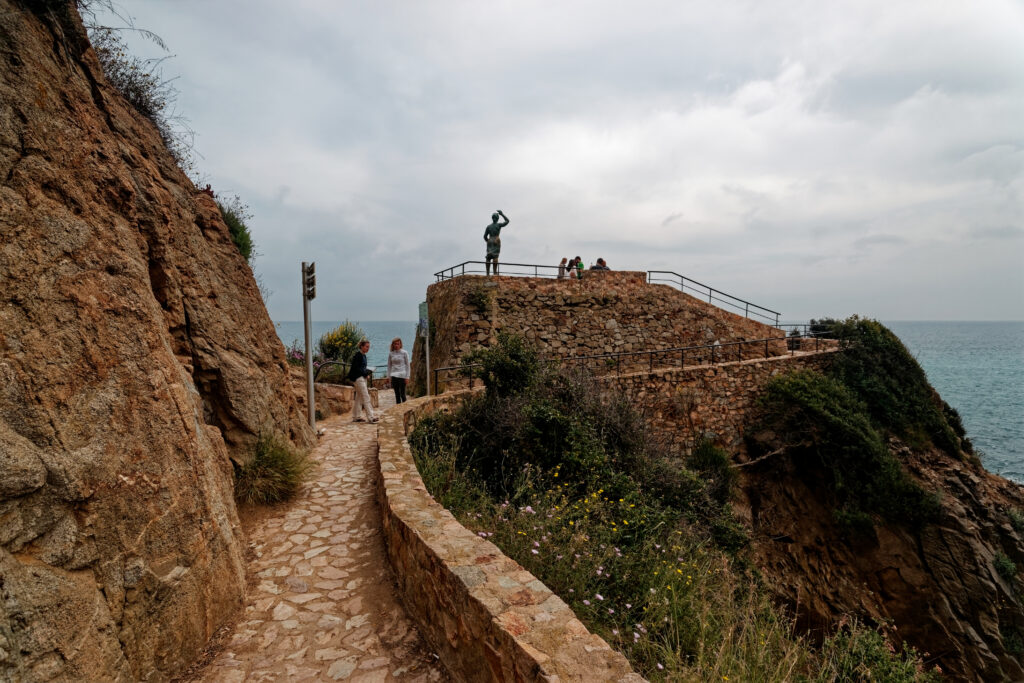
From the beach, the Camino de Ronda connects Pals with other towns and coves on the Costa Brava, such as Begur and Calella de Palafrugell. This coastal route winds its way between cliffs, pine forests and hidden coves, offering some of the most beautiful landscapes on the Catalan coast. It is an essential experience for lovers of hiking and nature.
9. The Medes Islands Natural Park
Very close to Pals is this protected area of extraordinary natural wealth. The Medes Islands, visible from the beach, are an archipelago of seven islets with exceptional marine biodiversity. Diving or snorkelling in its waters is to discover one of the most spectacular seabeds in the western Mediterranean.
Geographical Transformation and the Myth of Columbus
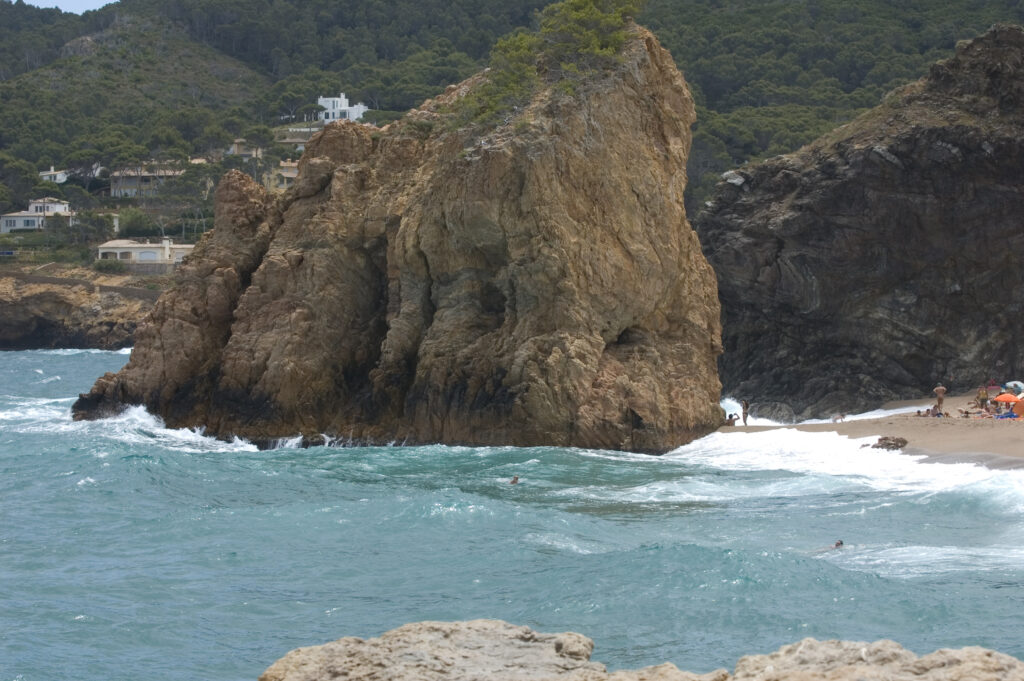
The landscape of Pals has evolved dramatically. The analysis by geologist Juan Carandell y Pericay confirms the marine regression and how the constant action of the Tramontana and other winds shaped the coastal strip with its characteristic dunes. What are now pine forests and rice fields were once vineyards and a larger expanse of water, which explains the etymology of Palus and the old name of Pals beach, El Grau (port).
It is necessary to dispel a historical myth here: the theory that suggests that Christopher Columbus set sail from the beaches of Pals to America is most likely due to grammatical confusion between Pals and the Andalusian town of Palos de la Frontera. The true epic of Pals is not in transoceanic voyages, but in its own land.
This transformed natural environment is now an ecological treasure:
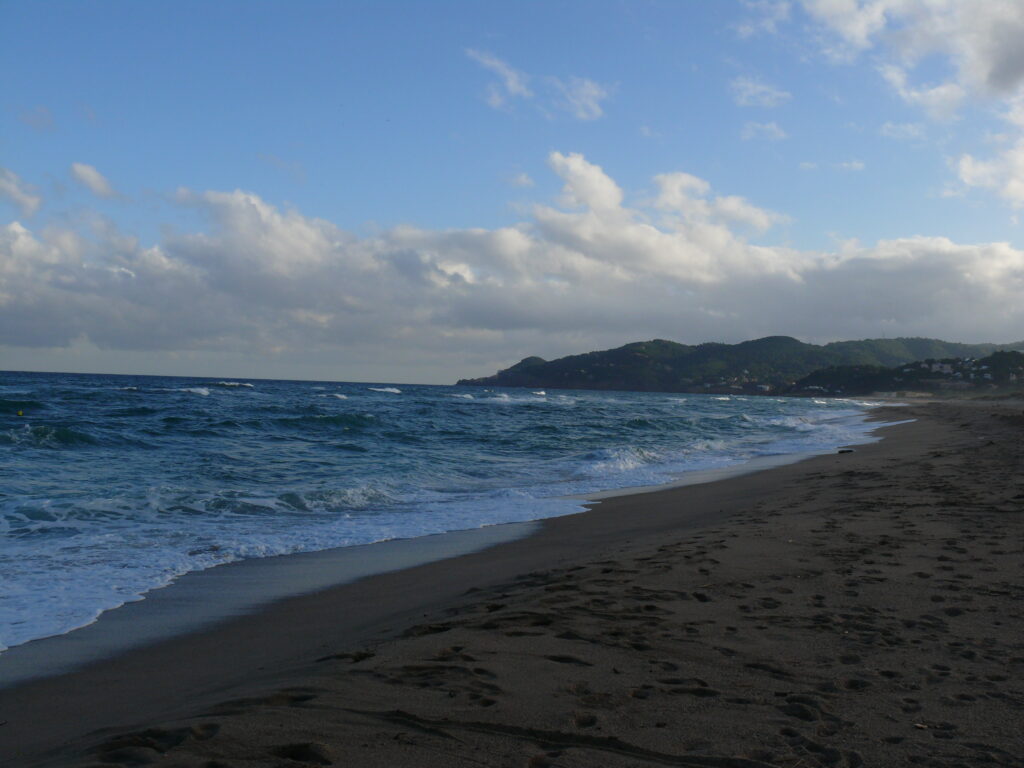
- Pals beaches: The municipality stretches along a straight coastline of more than 3.5 kilometres, with fine golden sand, ideal for relaxation. It is divided between an urbanised area with services (Platja Gran) and a more wild area with dunes and unspoilt nature that visually connects with the rice fields (Platja del Grau). The sea here, occasionally whipped by the Tramontana wind, is a perfect setting for water sports such as windsurfing, kitesurfing, kayaking and paddle surfing. The connection with the Camino de Ronda coastal path is established from the nearby Platja del Racó (Begur), offering beautiful coastal routes.
- Les Basses d’en Coll: This area of protected marshland, with dunes and riverside vegetation, forms part of the Montgrí, Medes Islands and Baix Ter Natural Park. It is a place of high ecological value with lagoons, wetlands and ponds, ideal for bird watching and gentle hiking.
The Golden Cereal: Rice, Culture and Gastronomy
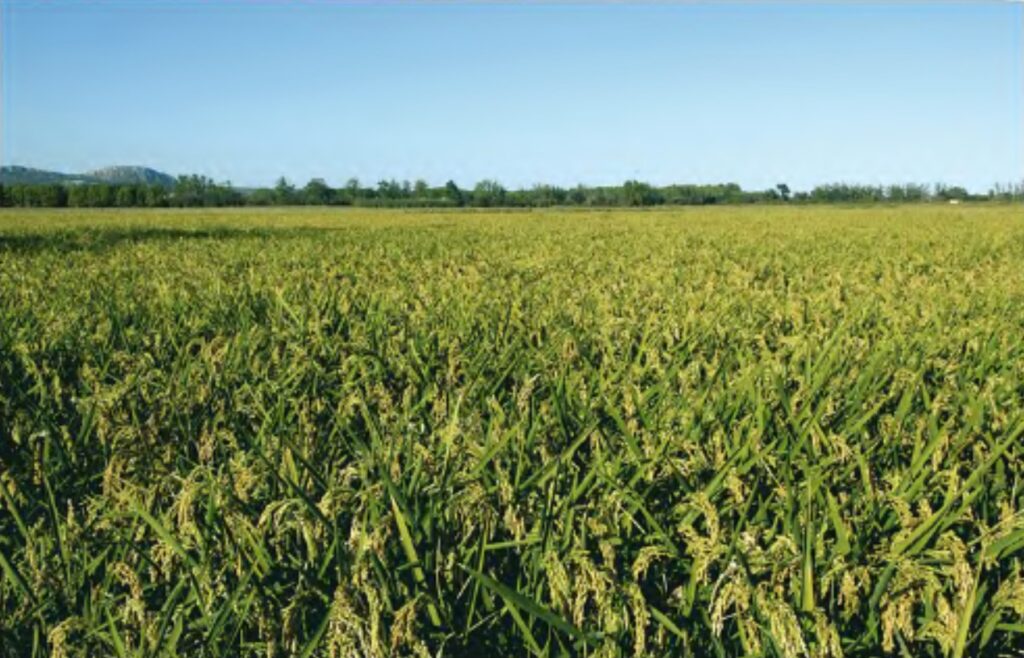
The transformation of the landscape from marshland to rice fields is the basis of Pals’ economy and gastronomy. The tradition of rice, which dates back to the 15th century, disappeared for centuries due to the harshness of cultivation and diseases associated with stagnant water.
The Epic Recovery of the Crop
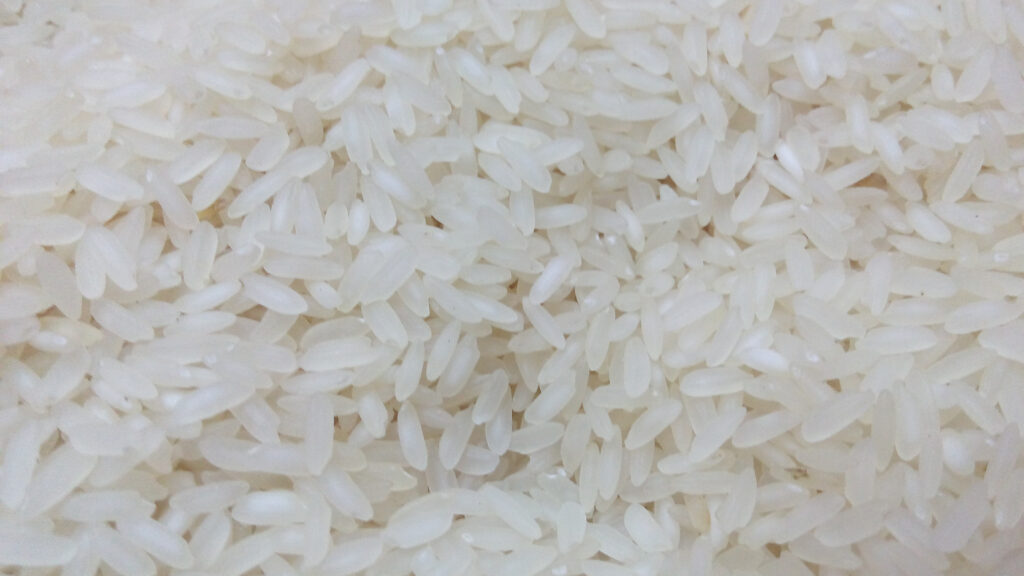
The crop was revived in the late 19th century, when a resident of Torroella reintroduced rice thanks to new techniques for constant water renewal. Today, Pals rice enjoys a seal of quality from the Empordà Guarantee Mark. Its most renowned varieties, Bomba and Bahía, are the star products of the local cuisine.
Rice culture is celebrated annually through a series of events:
- La Plantada Tradicional (June): Farmers offer a manual demonstration of rice planting with their feet submerged in water, a family activity.
- La Siega Tradicional (October): Harvest time, which culminates in gastronomic and popular festivals.
- Rice Gastronomic Campaign (Spring): Days when restaurants join in to offer menus based on the cereal, highlighting the traditional rice casserole (arròs a la cassola).
The Table of Empordà
The gastronomy of Pals is a fusion of sea and land. In addition to rice, traditional menus offer:
- From the sea: Fish stews and the prized garoines (sea urchins) in season.
- From the land: Fresh vegetables and legumes, used in dishes such as the popular escalibada.
- Drinks: Wine and cava tastings, which complement the products of the garden and the sea.
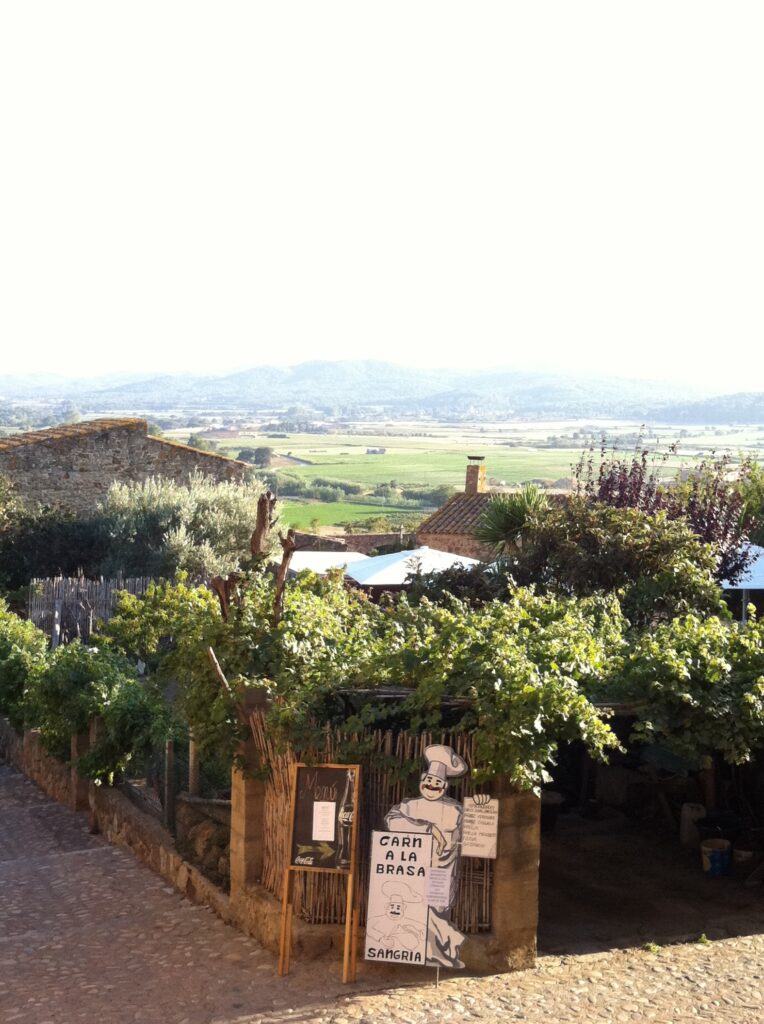
The municipality is divided into three centres: the medieval village (El Pedró), the Masos de Pals (with fortified farmhouses from the 16th century) and Pals Playa (the area of villas and apartments). The restaurants are distributed between the picturesque terraces of the old town and the beach bars on the coast.
The Traveller’s Log: Calendar and Logistics
Although small (it can be visited in two or three hours), Pals reveals itself fully through its cultural agenda.
Cultural Agenda and Festivities
Pals’ calendar is vibrant and thematic:
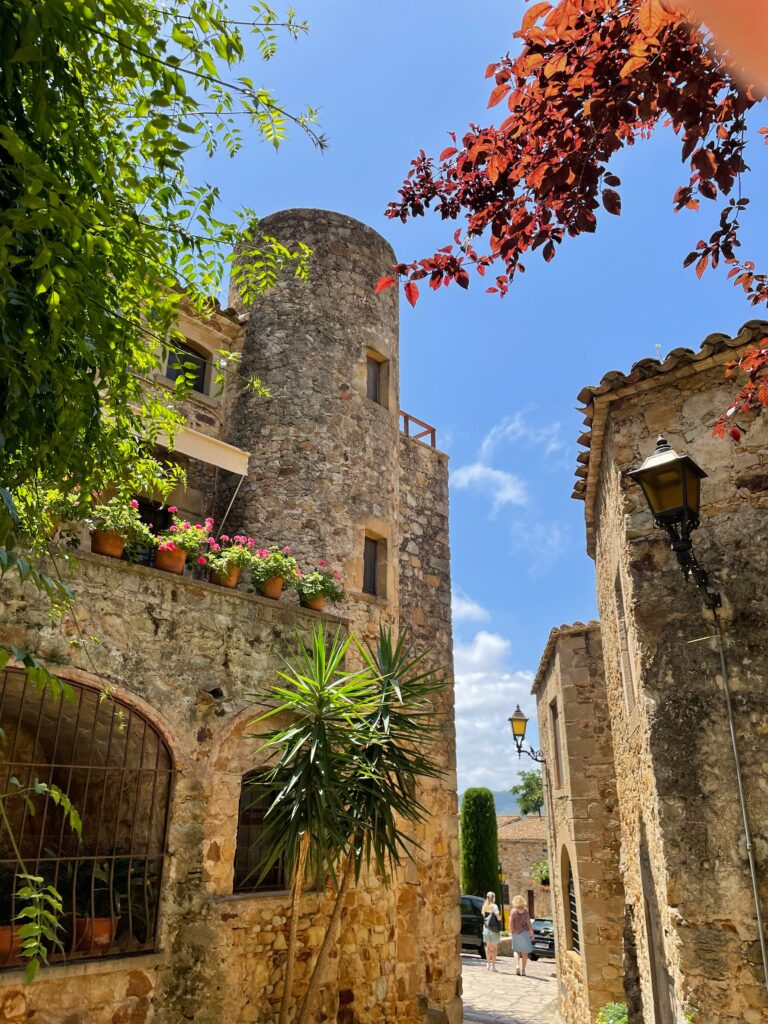
- July (Summer): The Night of Candles, the most magical event, transforms the old town into a spectacle of lights, music, dance and gastronomy, with all the electric lights turned off. There are also performances of sardanas and habaneras, and wine tastings.
- August (Summer): The Pals Festival is held (first week), with concerts, speeches and typical Catalan events. The Masos de Pals festival also takes place.
- Christmas: The traditional Living Nativity Scene is organised.
- Tuesday (all year round): Weekly market (8 a.m. to 1 p.m.) where you can find Catalan gastronomic products, plants and clothing.
- Saturdays (all year round): Second-hand market in the town centre.
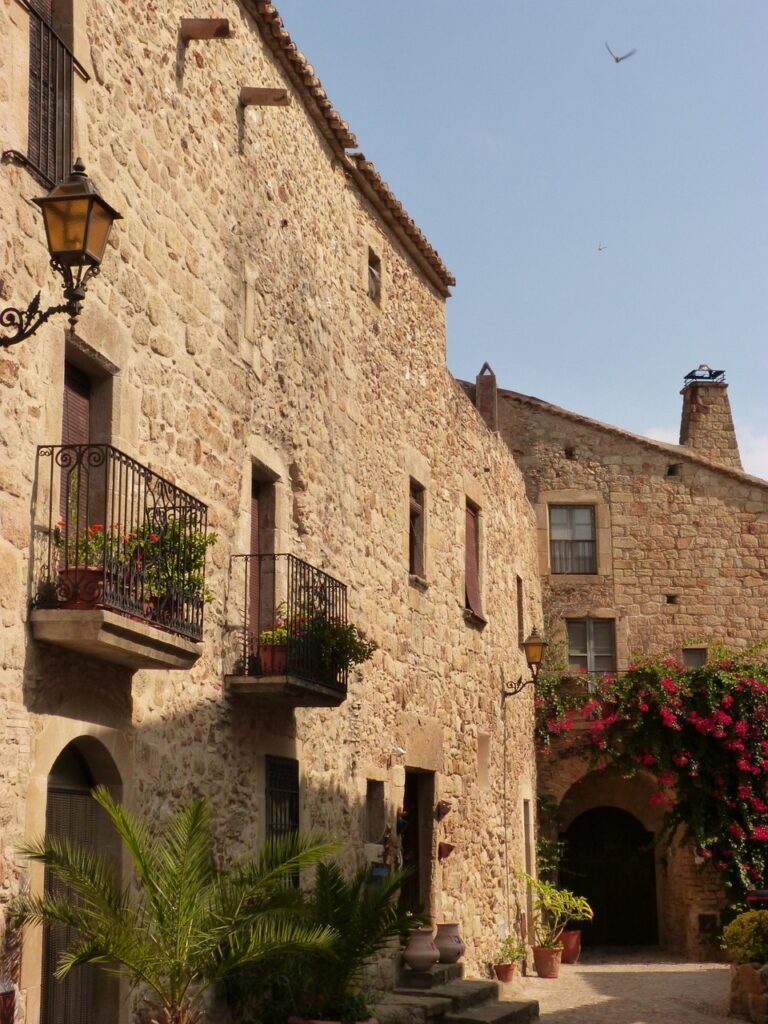
Practical information for your visit to Pals
- How to get there: Pals is 48 km from the city of Girona. From Barcelona, take the AP-7 motorway (exit 9A-9B towards Palamós) and then the C-65. In summer, when traffic is heavy, it is advisable to take exit 6 (Girona North) and continue on the C-66 towards La Bisbal d’Empordà.
- Parking: Access to El Pedró is limited, so it is essential to use the free outdoor car parks (near the Torre de les Hores).
- Accommodation: there is a wide range of options, with apartments by the beach and rural farmhouses in the surrounding area. There are also charming options in the medieval centre.
- Best time to visit: spring and summer to enjoy the beaches and events, autumn to experience the rice harvest and the golden landscape of the Empordà, and winter to discover its most authentic tranquillity.
- Ideal length of stay: a 1-2 night getaway is perfect for exploring the old town, visiting the beach and enjoying the local cuisine. If you have more time, you can explore the nearby villages: Begur, Peratallada, Calella de Palafrugell or L’Estartit.
- Active leisure: The ‘Xiulet de Pals’ tourist train offers different routes; the Costa Brava Adventure Park offers zip lines and walkways, and the tourist office is key for obtaining maps and information on wine tastings.
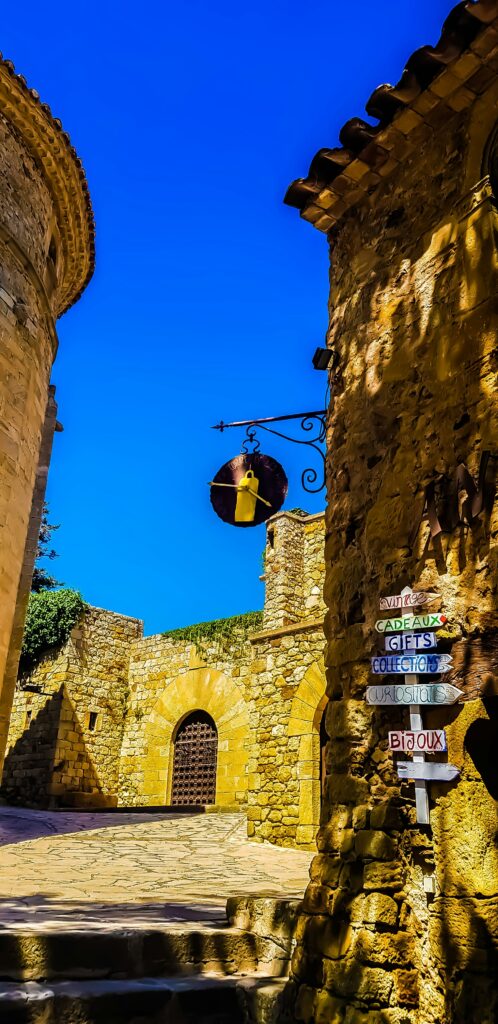
What to see around Pals
Here is a list of places we have marked on the map that you can include in your itinerary to make your visit to the Costa Brava even more complete:
- Sa Tuna: a cove surrounded by nature on the Costa Brava.
- Cassà de la Selva: a town deeply rooted in culture, music and cork.
- Santa Cristina de Aro: a corner nestled among the mountains of the Costa Brava.
- S’Agaró: a small coastal town that combines the elegance of its Noucentista architecture with seaside promenades.
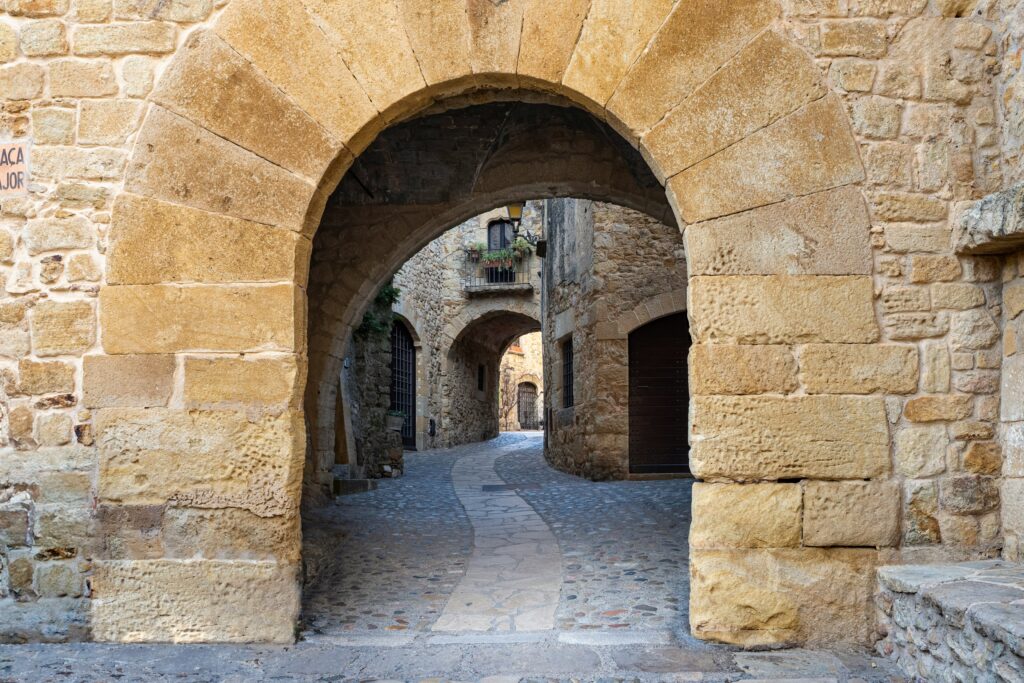
Pals, the symbol of Catalan resilience
Pals is, in essence, a symbol of Catalan resilience. A place whose name evokes mud (palus), but whose image is one of immovable stone; a ruined castle that, instead of disappearing, became the walls of faith and community. It is the perfect synthesis of the Empordà: the hardness of the Pedró stone is softened by the immensity of the rice fields and the placidity of the horizon over the Medes Islands.
For the traveller of The Kompasse, a visit to Pals should be an exercise in awareness: understanding that the streets you walk on are not only beautiful, but are the result of centuries of conflict, adaptation and patient reconstruction. The Visigothic graves under Carrer Major and the sight of the house built by the Pi i Figueres family with the remains of the old castle, next to the Torre de les Hores, are powerful reminders that every architectural element has a layer of intertwined history. It is an essential stop, a gateway to a glorious past and a delightful present, in the geographical and sentimental heart of the Costa Brava.
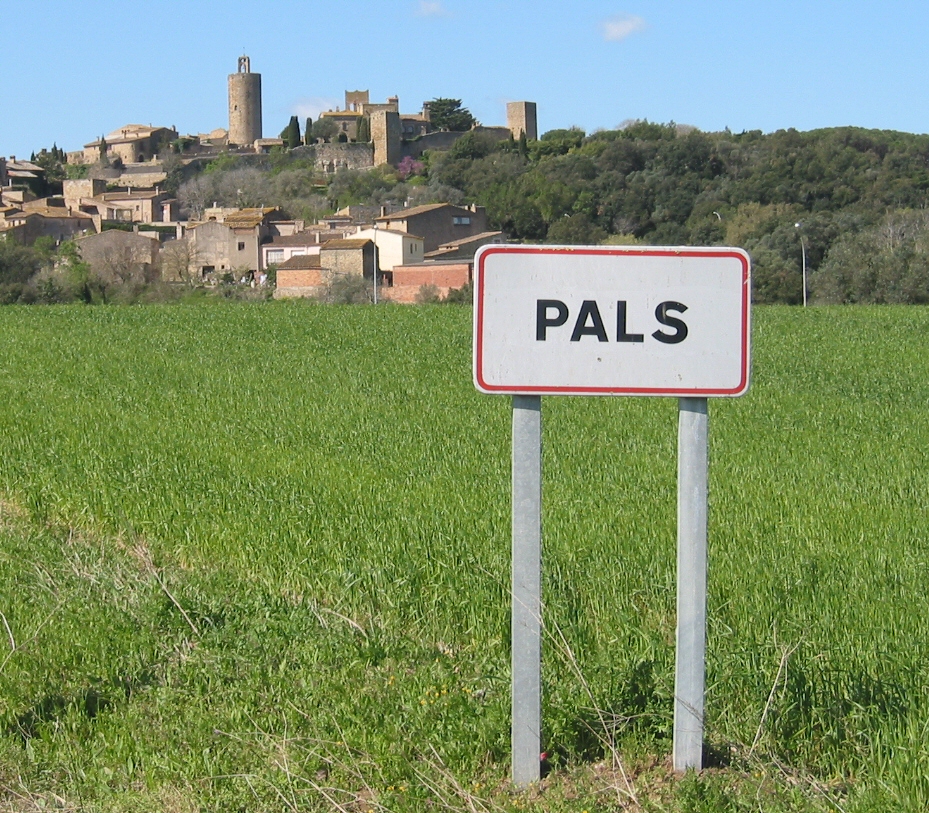
Photo Credits
Below are the photo credits in order of appearance. Royalty-free photos will not be listed below:
- Cover Image: andre oortgijs, CC BY-SA 3.0, via Wikimedia Commons
- José Luis Filpo Cabana, CC BY 3.0, via Wikimedia Commons
- MARIA ROSA FERRE, CC BY-SA 2.0, via Wikimedia Commons
- Arwin Meijer, CC BY-SA 3.0, via Wikimedia Commons
- –Joan301009 · Parlem-ne! ;)/Let’s talk! 😉, CC BY-SA 3.0, via Wikimedia Commons
- Enric, CC BY-SA 4.0, via Wikimedia Commons
- Enric, CC BY-SA 4.0, via Wikimedia Commons
- Kippelboy, CC BY-SA 3.0, via Wikimedia Commons
- DagafeSQV, CC BY-SA 3.0, via Wikimedia Commons
- Txllxt TxllxT, CC BY-SA 4.0, via Wikimedia Commons
- Vincent van Zeijst, CC BY-SA 3.0, via Wikimedia Commons
- Arwin Meijer, CC BY-SA 3.0, via Wikimedia Commons
- DagafeSQV, CC BY-SA 3.0, via Wikimedia Commons
- PIPISTRELLUS Educació Ambiental, CC BY-SA 3.0, via Wikimedia Commons
- Miquel Pujol, CC BY-SA 3.0, via Wikimedia Commons
- Consell Comarca Baix Empordà, CC BY-SA 2.0, via Wikimedia Commons
- Kippelboy, CC BY-SA 3.0, via Wikimedia Commons
.jpg)


.jpg)
.jpg)


.JPG)


-3.jpg)