Albox (Almería): The Historical and Commercial Heart of the Almanzora Valley
Albox, located in the heart of the Almanzora Valley and surrounded by the Estancias and Filabres mountain ranges, is one of those destinations that surprises visitors with its character, its ancient history and a culture that is still alive in every corner of the town. Despite being in an area marked by water scarcity, the town has flourished thanks to a commercial spirit rooted in the 19th century, a unique craft tradition and a heritage that combines an Arab past, Christian devotion and landscapes that invite you to explore them at your leisure.
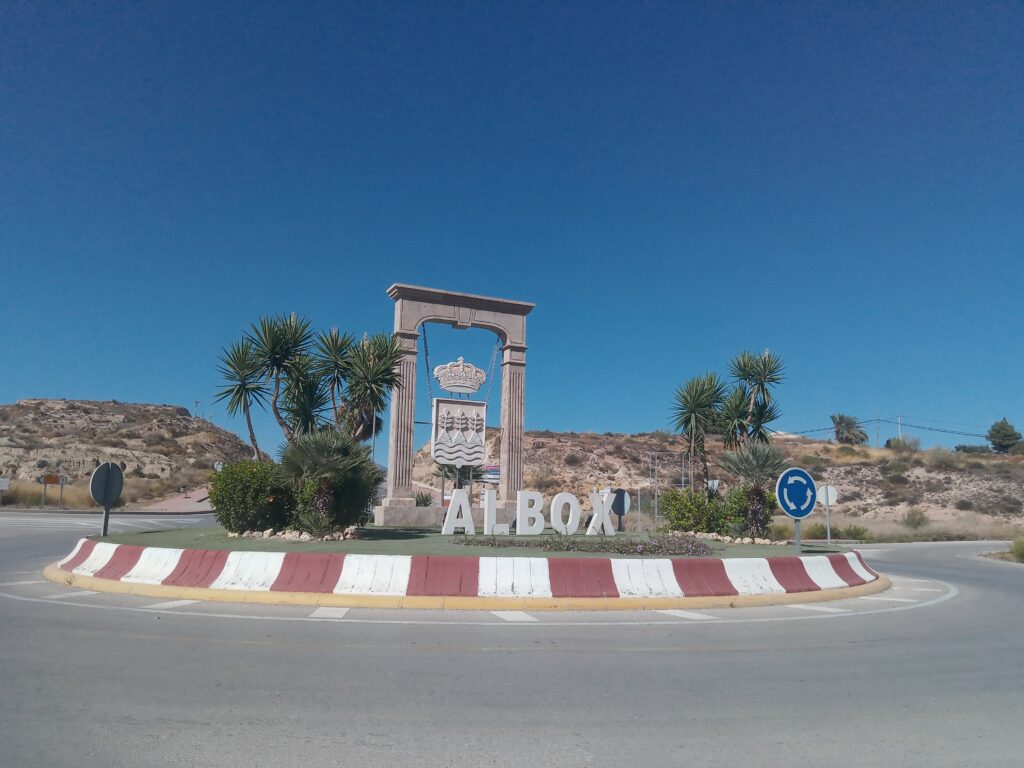
With ancient origins—including Neolithic remains, a Phoenician presence in search of silver, and Roman and Islamic periods—Albox owes its name to the Arabic term al-Buj, meaning ‘the tower.’ For centuries, towers, walls, and fortresses marked this territory on the border with the ancient Nasrid kingdom of Granada. Today, vestiges such as the Aljambra Tower and the Terdiguera Tower are reminders of that defensive past, while Baroque churches, whitewashed chapels and a monumental sanctuary demonstrate the spiritual importance that Albox has had in the region.

If you are planning a trip to Albox, Almería, here is a complete guide with everything you need to see and do to get to know one of the most distinctive villages in the Almanzora region.

Santuario del Saliente: the spiritual symbol of Albox
If Albox has one architectural gem that cannot be missed, it is the Santuario de Nuestra Señora de los Desamparados del Saliente, popularly known as the Santuario del Saliente.
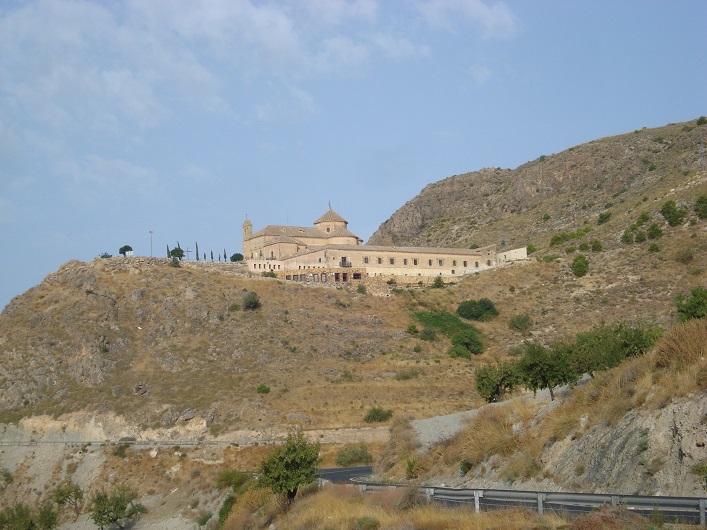
Topping Monte Roel, the Santuario de Nuestra Señora del Saliente is not only the most emblematic building in Albox, it is also one of the most imposing monasteries in eastern Andalusia. Built in the 18th century and declared a Historic-Artistic Monument, its architecture combines the sobriety of local tuff stone with the ecclesiastical lines of Granada of its time, resulting in an elegant, proportionate and detail-rich ensemble.
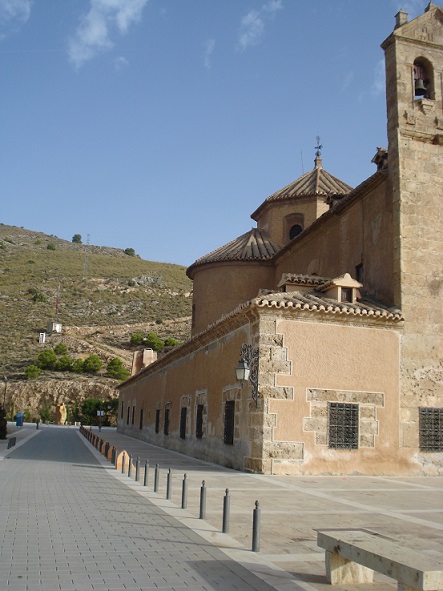
Begun in 1769 by order of Bishop Claudio Sanz y Torres and under the direction of architect Vicente Sánchez, the sanctuary was conceived as a ‘mystical city of God,’ integrating a chapel, an episcopal palace, and a seminary for missionaries. Its architecture is a beautiful and simple combination of rural craftsmanship (with the use of tuff stone) and the ecclesiastical style dominant in 18th-century Granada.
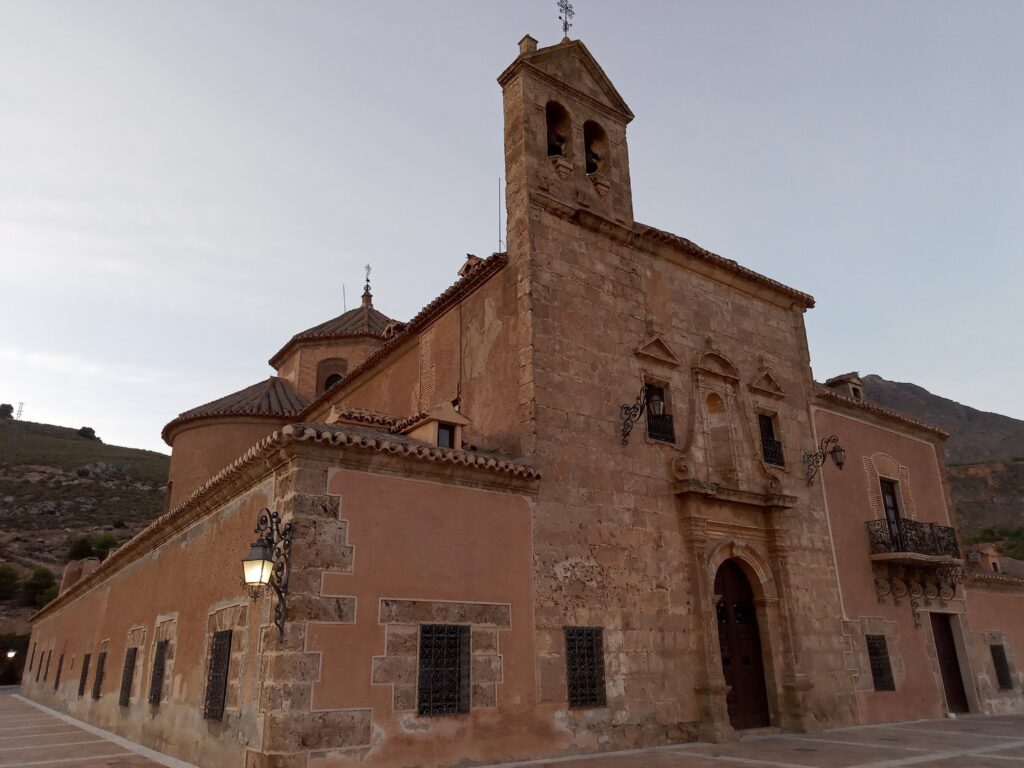
- Imposing Structure: The building has a rectangular floor plan, measuring 46 metres long by 54 metres wide.
- The Temple: The church has a Latin cross floor plan with an elegant dome over the transept and a trefoil apse.
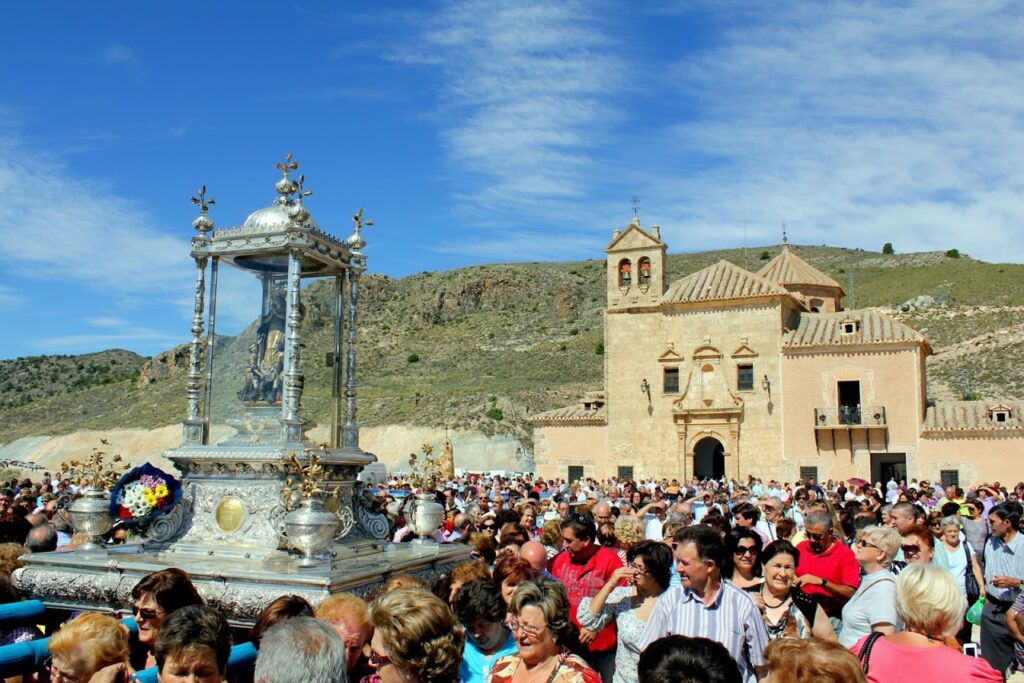
- The Venerated Image: Its niche houses the excellent Baroque carving of the Virgen de los Desamparados (the Virgin of the Saliente), affectionately nicknamed ‘La Pequeñica’ (the little one) because of her small size. This image is the object of deep Marian devotion throughout south-western Spain.
- The Cloister: Rectangular in shape and porticoed, its central cistern, now known as the ‘Pozo de los Deseos’ (Well of Wishes), is the source of local legends.
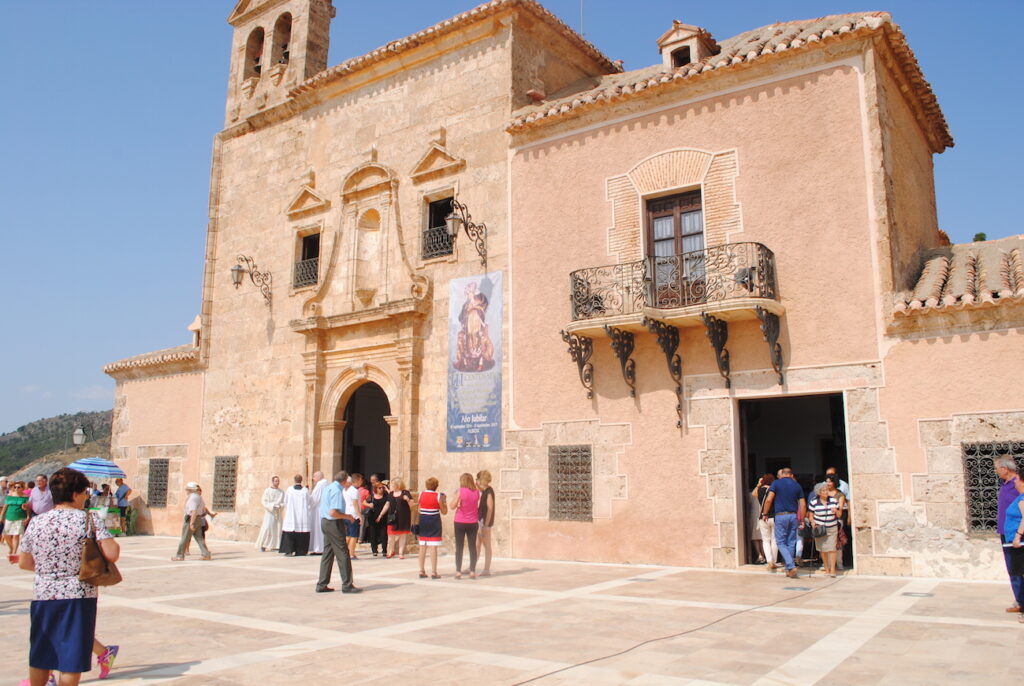
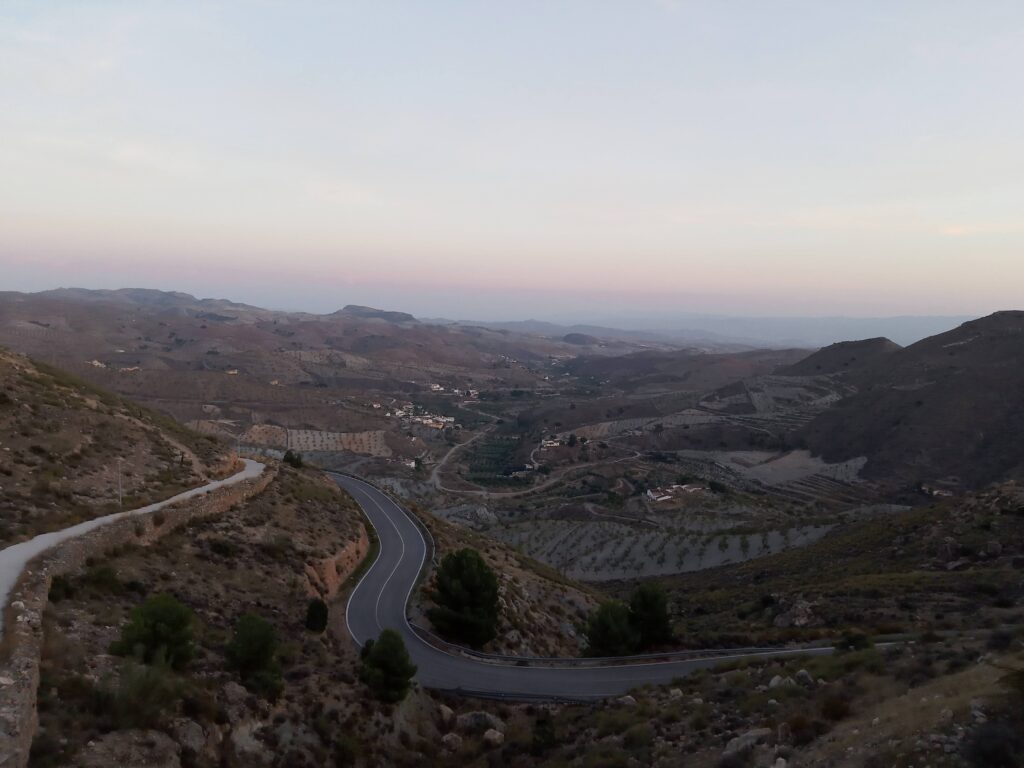
In addition, the grounds offer sweeping views of the Almanzora, the surrounding mountains and the arid landscapes that form part of the essence of Albox.
The Pilgrimage: Faith and Tradition
Every 8th of September, coinciding with the day of the Nativity of the Virgin, thousands of devotees take part in the solemn Pilgrimage of the Virgin of Saliente, a night-time pilgrimage from the Plaza Mayor in Albox to the Sanctuary. Declared of Andalusian Tourist Interest since 2002, this walk under the starlight is one of the most significant religious and cultural moments in the region, combining faith, effort and popular fervour.
Traces of an Arab Frontier: The Towers and the Castle
The mark left by Albox, founded by the Arabs and then known as ‘al-Boj’, is evident in the remains of its fortifications, which were essential in the defence of the Nasrid frontier of Granada.
The Castle of Albox
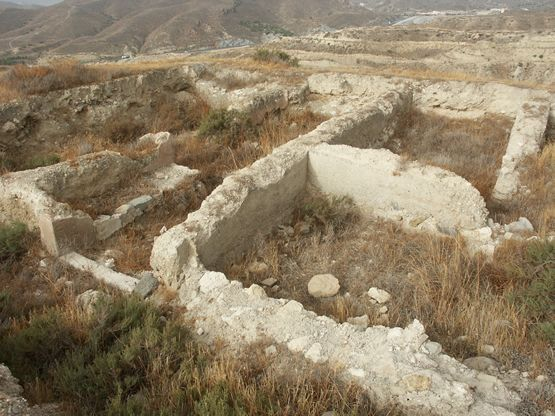
Although only scattered remains are left today, the Castle of Albox was a key strategic piece for centuries. Of Muslim origin but built on an ancient prehistoric settlement, the castle dominated the orchards irrigated by the riverbed, a fertile territory that allowed human settlement since ancient times.
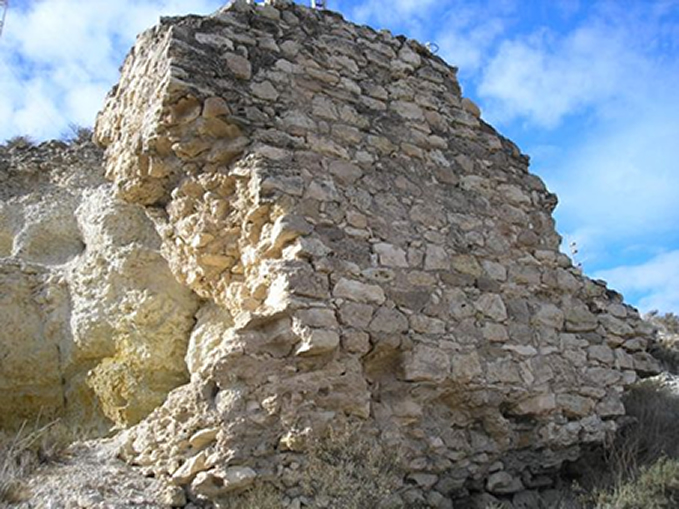
The fortress suffered continuous assaults: in 1330 it withstood the attack of a Castilian-Aragonese army; in 1436, already in a state of disrepair, it fell into the hands of the governor of Murcia; and in 1445 it returned to Muslim control until its final conquest in 1488. Its end came in 1518, when a major earthquake destroyed the structure. The population used the fallen stones to rebuild their houses, a metaphor for the resilience of the people of Albox.
Today, only a section of wall and the remains of the cistern remain standing, a fragile but very representative testimony to the defensive origins of Albox.
The Watchtowers: Aljambra and Tardiguera
As part of the defensive system of the Nasrid kingdom, watchtowers were built to control the border:
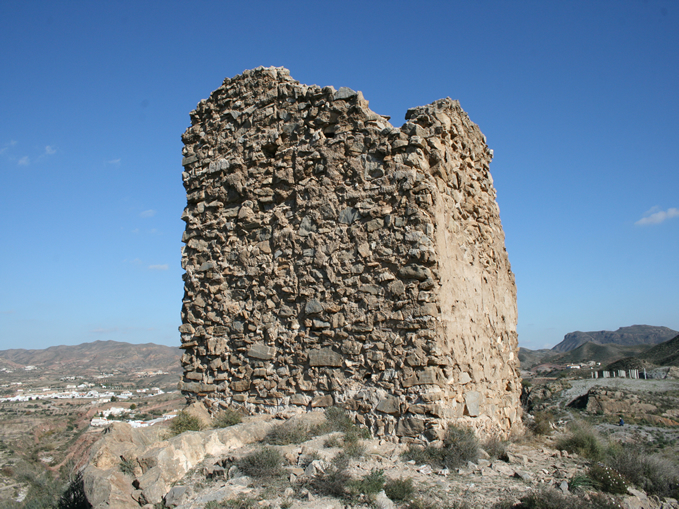
- Torre de la Aljambra: Located on a solid rock and visible from much of the surrounding area, this 13th-century Nasrid tower was part of the border system between the Muslim kingdom of Granada and the Castilian territories. Its name is related to the word alhambra (‘red earth’), and although it is badly damaged—with one of its sides collapsed and another dangerously sloping—it remains one of the municipality’s heritage landmarks. Its restoration is a priority to prevent the definitive loss of an essential piece of Albojense’s medieval past.
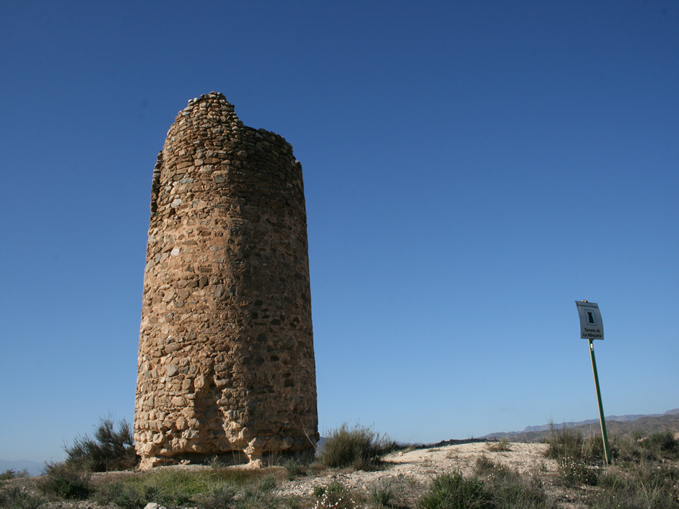
- Torre Terdiguera: Also of Muslim origin and declared a Site of Cultural Interest, the Torre Terdiguera is in ruins but remains accessible to visitors. It was part of the defensive network of surveillance and territorial control that characterised the area during the Middle Ages.
A Stroll through the Town Centre: Art, Faith and Crafts
The centre of Albox, with its well-kept appearance, invites you to take a tour of its Baroque churches and tributes to its commercial tradition.
Sacred Architecture
The town centre of Albox is practically an open-air museum of religious architecture and reinterpreted popular Baroque. These are some of its essential churches:
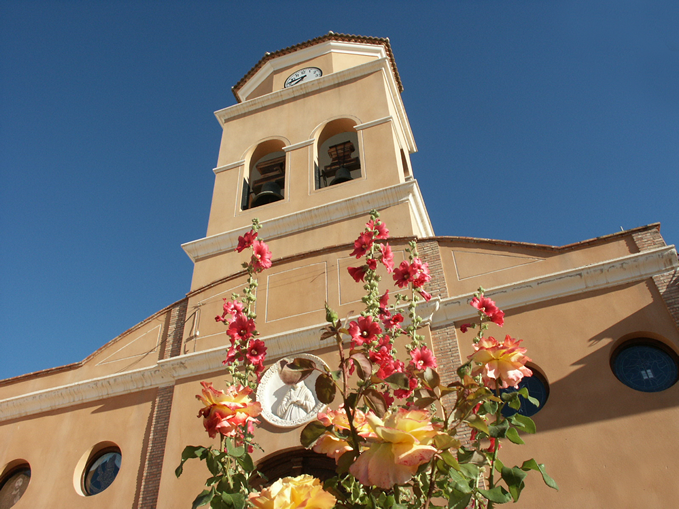
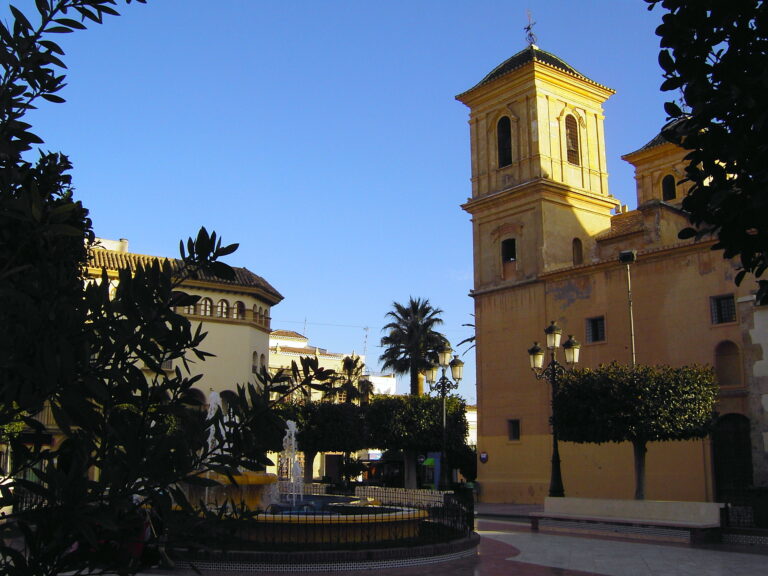
- Parish Church of Santa María: Considered the oldest religious building in the town centre, its construction began in the 16th century and was completed in the 18th century in a marked Renaissance style. It is located in the Plaza Mayor (or Plaza del Pueblo).
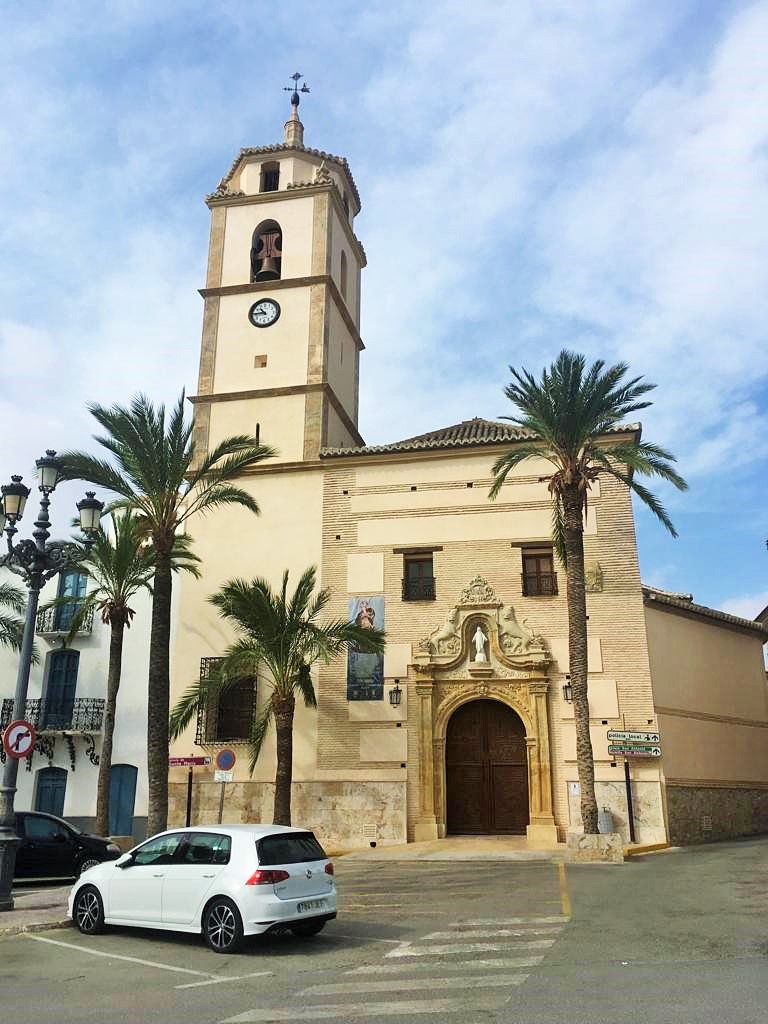
- Parish Church of La Concepción: Built in the 18th century thanks to donations from the local community. It houses the image of the patron saint, St. Francis of Assisi, and original paintings by local artist Andrés García Ibáñez.
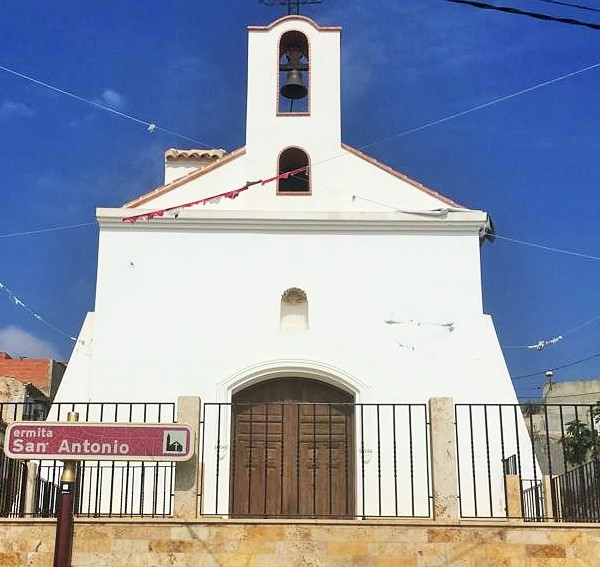
- Hermitage of San Antonio: Dating from the 18th century, although it is believed to have been built on the site of an old Arab mosque. It is notable for its unique popular paintings representing Christian virtues (Justice, Fortitude, Temperance, Prudence, Charity and Faith).
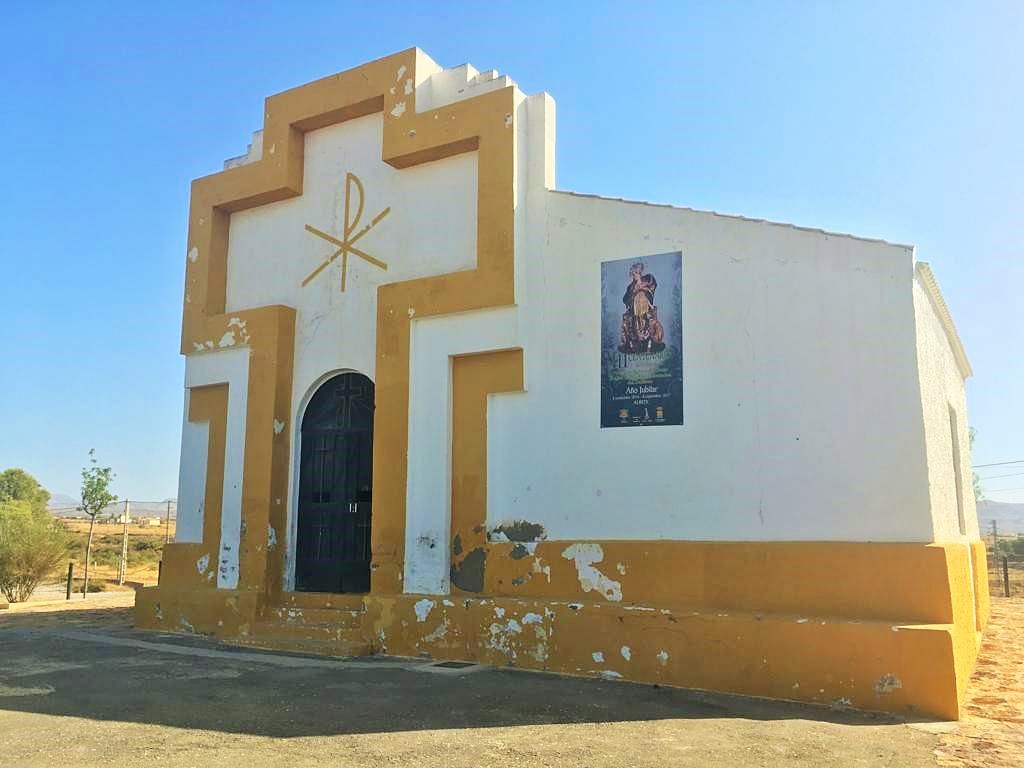
- Hermitage of Santa Cruz: Founded by the Franciscans in the mid-18th century. Located at the highest point of La Loma, its viewpoint offers spectacular panoramic views of the village.
Tributes to Tradition
Albox’s commercial vocation is celebrated in its public space:
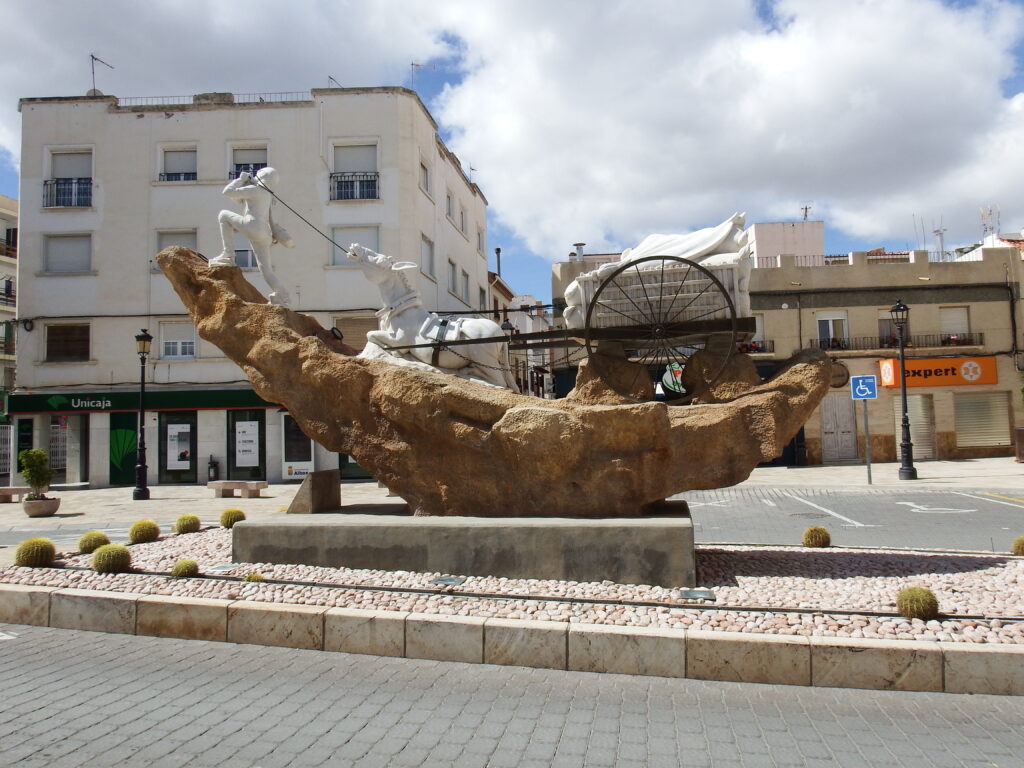
- Escultura al Arriero (Sculpture of the Muleteer) (above in the photo): Located in the Plaza Nueva, this white marble and brass sculpture pays tribute to the ancient muleteers who, with their mules and carts, laid the foundations for the municipality’s tradition of trade and prosperity.
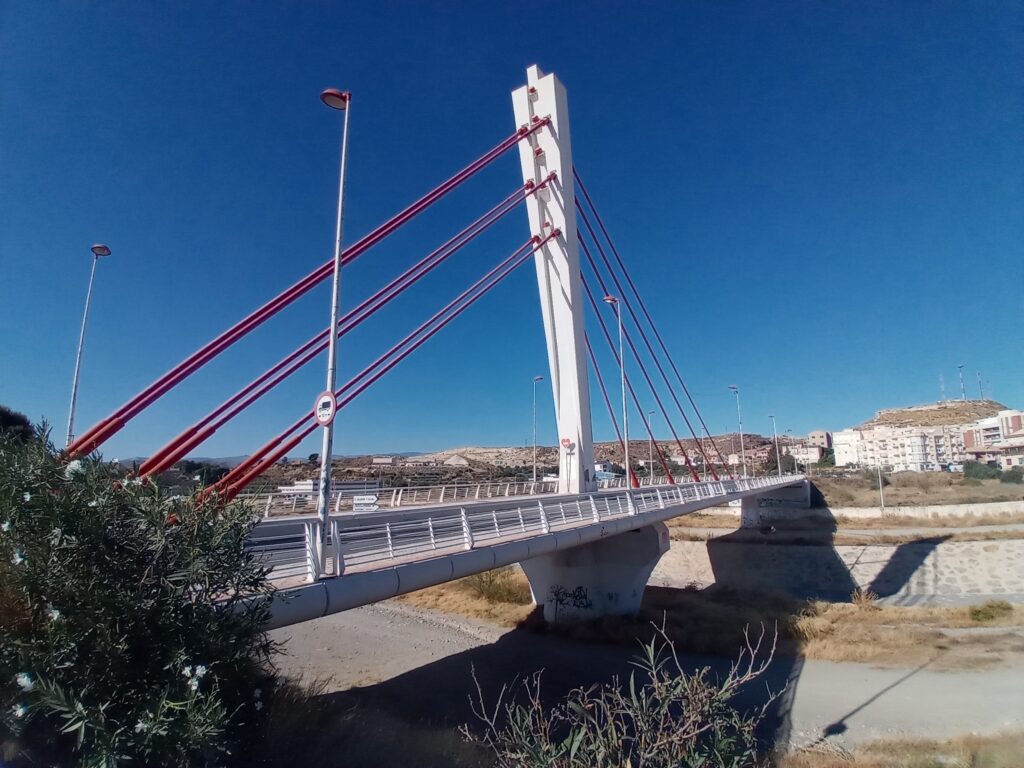
- Statue of the Woman: A tall white marble sculpture dedicated to the women of Albox and located on the main bridge.
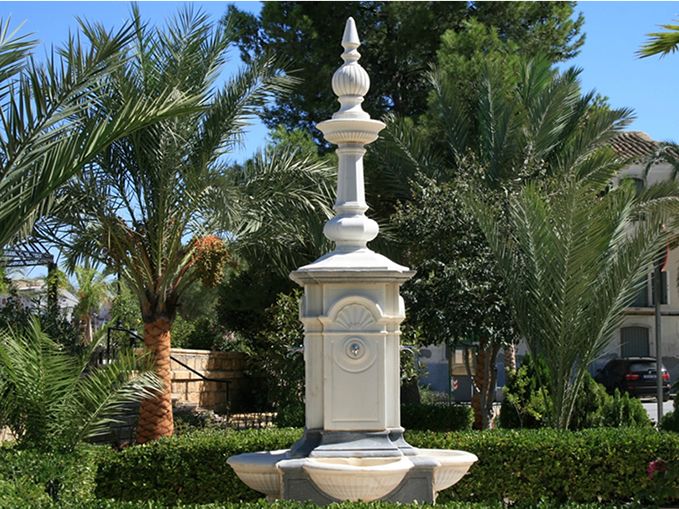
- Fuente de los Cuatro Caños: Inaugurated in 1903, the famous Fuente de los Cuatro Caños fountain, located in what is now the Plaza Mayor, is one of the town’s most recognisable urban symbols. Its design was planned at the end of the 19th century and it became a key point for the municipality’s water supply and social life. Although today it is a decorative element, it forms part of the town’s collective memory.
Alfarería Los Puntas: 300 years of living tradition
If there is one craft that defines Albox, it is pottery. The municipality is home to one of the oldest pottery workshops in the province of Almería: Alfarería Los Puntas, declared a ‘Point of Craft Interest in Andalusia’.
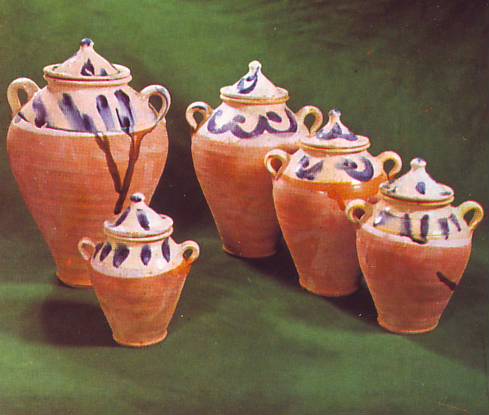
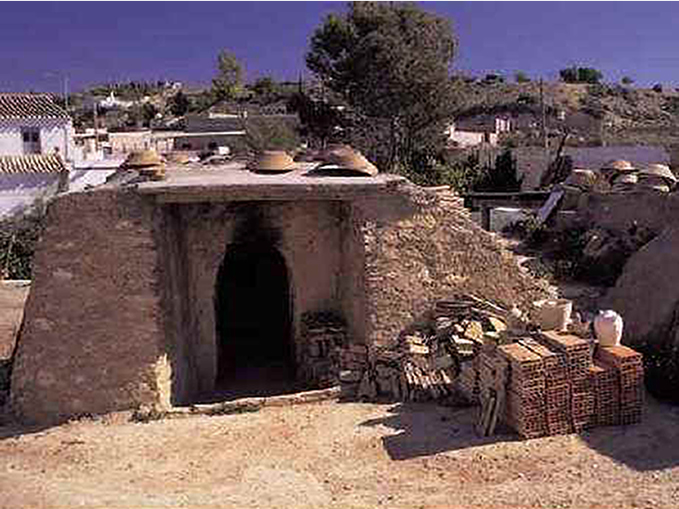
Its Arab kiln, built around 1700, is still in operation and allows traditional glazed pieces and Arab-style ceramics to be made in the same way as centuries ago. Visiting the workshop is practically a journey into the past and an opportunity to see first-hand a craft that has endured since the 10th century.
The commercial character of Albox
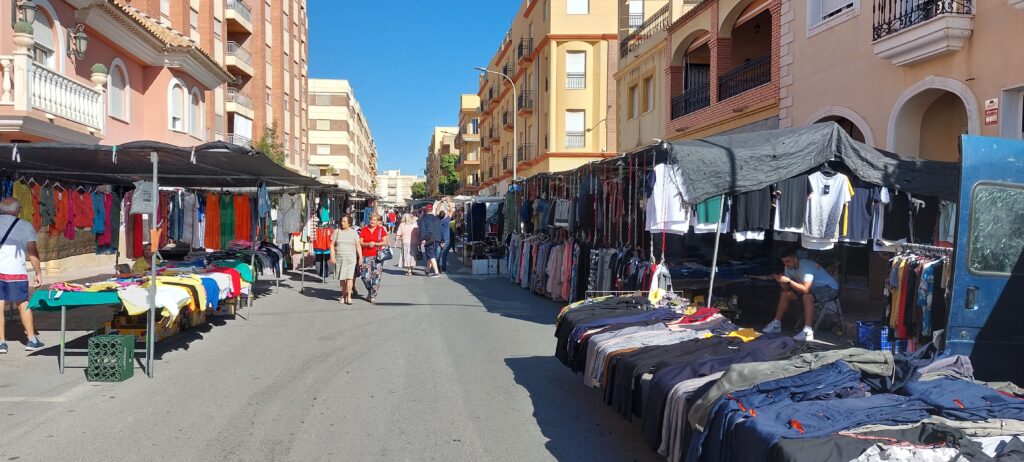
Since the 19th century, Albox has established itself as the commercial capital of Almanzora. Its looms, pottery industry and, later, the weekly market and livestock fairs made the municipality a key trading centre. This spirit is still alive today: in its streets you will find a multitude of small shops, traditional stores, services and restaurants that attract residents from all over the region.
Nature and routes in the surrounding area
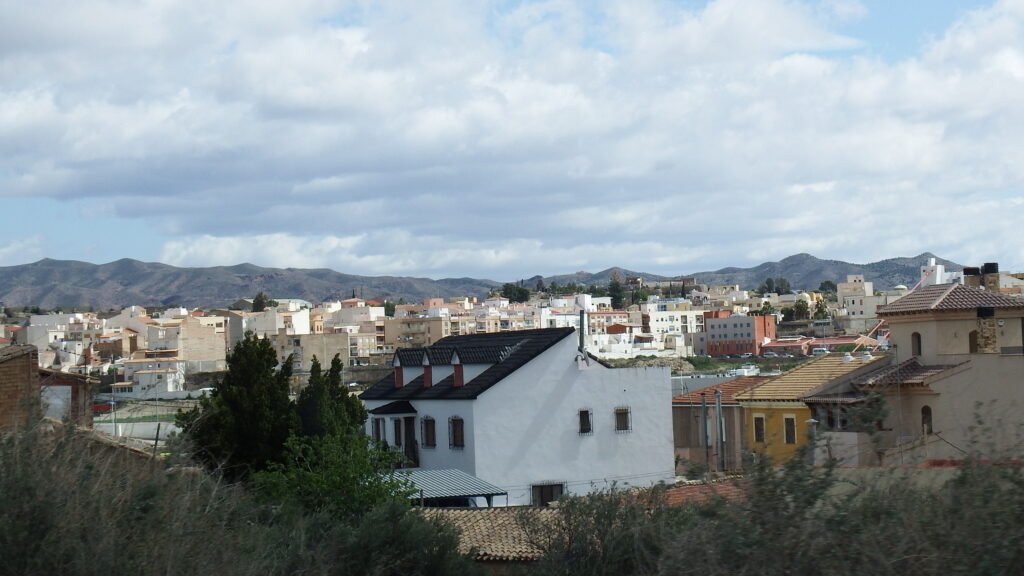
Although the area around Albox is characterised by an arid climate, its contrasts are one of its great attractions. The riverbed that runs through the town is surrounded by lemon and almond trees and small vegetable gardens, while the hills that surround it reveal a dry, almost steppe-like landscape that changes colour depending on the light of day.
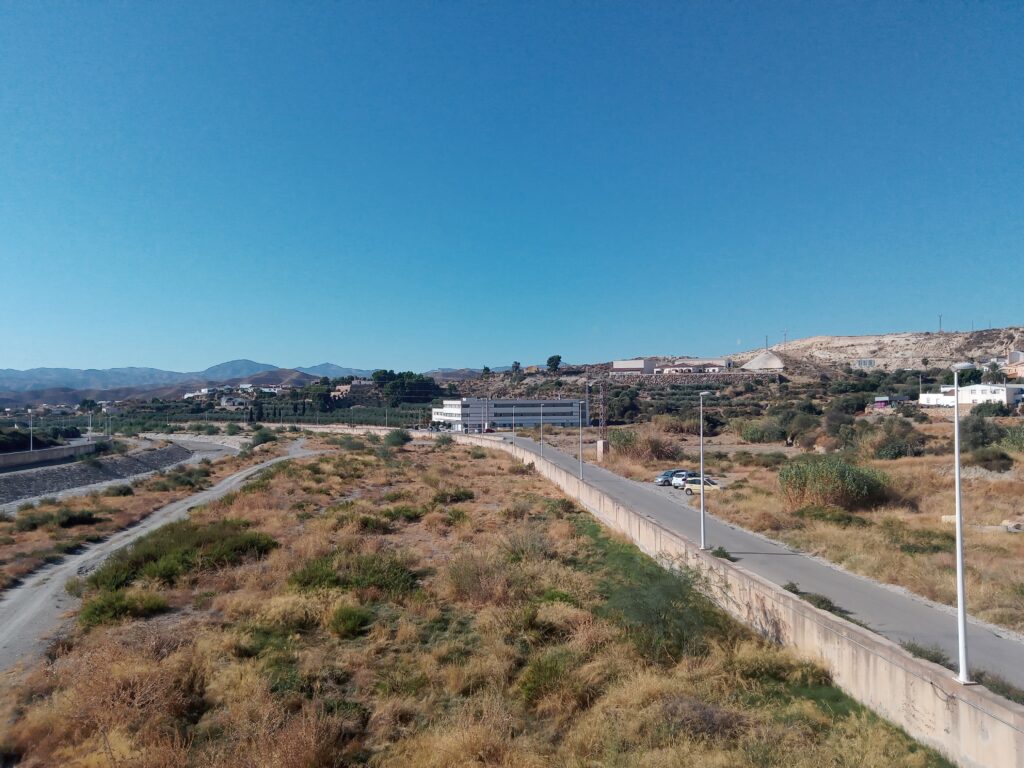
Outdoor options include:
- Saliente Natural Park: The area around the Sanctuary is ideal for hiking and nature trails, offering an environment of pure nature.
- Los Marcelinos Quarry: A marble quarry that allows visitors to learn about the process of transforming raw materials, which is vital to the local economy.
- Los Dientes de la Vieja: Curious rock formations near the Sanctuary, which add a geological attraction to the landscape.
- Active Leisure: The municipality is kept alive with facilities such as the ‘La Mina’ Motocross Circuit and the Tennis Club.
Discovering Almería
Visit other places in Almería and add them to your trip, or make a note for future reference:
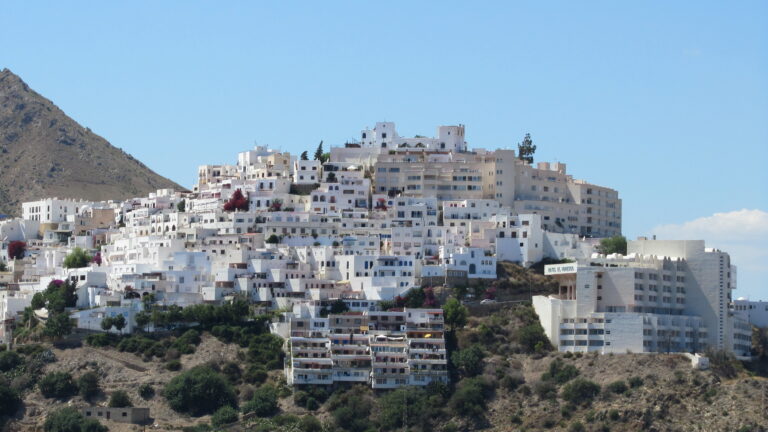
- Mojácar: One of the most beautiful villages in Spain, an essential visit in the region.
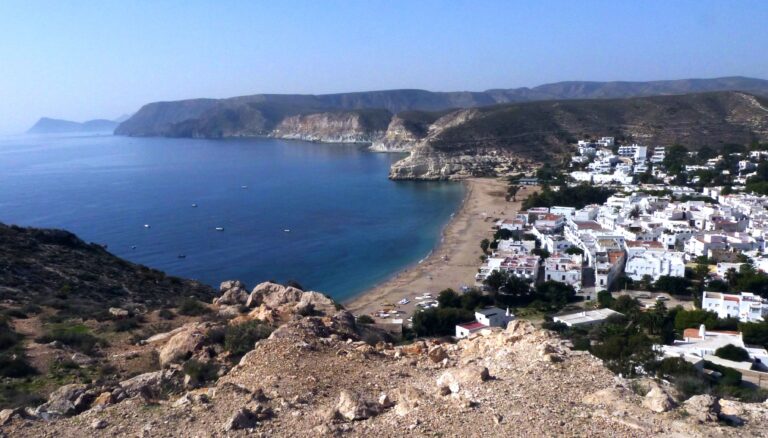
- Agua Amarga: One of the most charming villages on the Almería coast, with its seafaring essence and leisurely pace.
- Huércal-Overa: An inland town where Holy Week is one of the most important events in Almería.
- Garrucha: A place that combines the vibrant modernity of a tourist destination without losing its fishing soul.
- San José: Gateway to legendary spots such as Los Genoveses, Mónsul and Media Luna beaches.
Popular culture and festivities
Few towns live their traditions as intensely as Albox. Its calendar is full of religious, cultural and festive events that show the soul of the municipality.
- Pilgrimage of the Virgen del Saliente: Every 8th of September, thousands of pilgrims make a night-time walk to the sanctuary. The arrival at dawn is one of the most exciting moments of the year.
- All Saints’ Fair: Held between the end of October and the beginning of November, it is one of the largest fairs in the province. Music, bullfighting activities, attractions, gastronomy and a festive atmosphere fill the streets for several days.
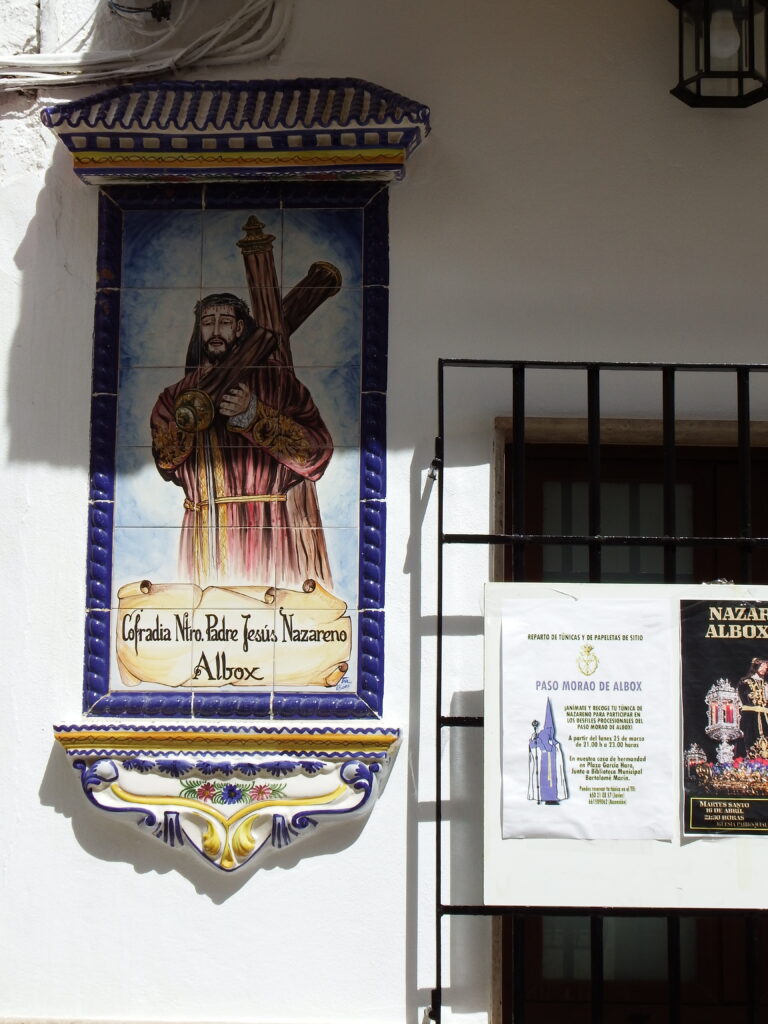
- Holy Week: Solemn processions, very active brotherhoods and massive neighbourhood participation. It is one of the most outstanding in the Almanzora.
- Fiestas de San Antonio y San Juan: Popular events full of traditions, concerts, children’s activities and typical foods.
Gastronomy: traditional flavours
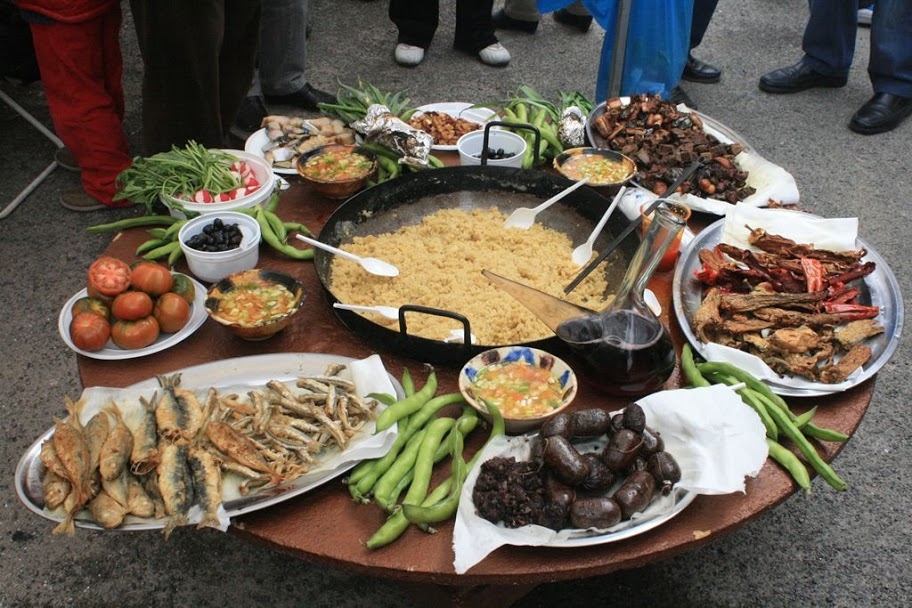
Albojense cuisine reflects its ancestral customs, based on local produce and meat, and is characterised by its heartiness and rich flavours. It is a culinary heritage that has been preserved thanks to family traditions. Among the most recommended dishes are:
Essential dishes:
- Migas: The rural dish par excellence, made from stale bread or flour, traditionally cooked on rainy days.
- Gurullos: Elongated flour pasta, cooked in a stew with meat or vegetables.
- Trigo Guisao (or Triguero Guisado): A hearty stew made from wheat, vegetables and meat.
- Fritá de Sangre: A traditional dish made with pig’s or kid’s blood, fried with vegetables.
- Tabirnas Colorás: A stew made with potatoes and peppers.
Pastries: A Sweet Tradition
Desserts and sweets, the perfect accompaniment to any visit, reflect the local pastry-making tradition:
- Suspiros: Light and crispy meringues.
- Cuajao de Almendras: Dessert made with almonds and eggs, also known as ‘Cuaja de almendras’.
- Rosquillos de Vino and Roscos de Aguardiente.
- Alfajores de Almendras and Soplillos de Huevo y Almendra.
What to do in Albox: quick guide for travellers
In addition to visiting its monuments and temples, in Albox you can:
- Stroll through the old town, with narrow streets that preserve its traditional essence.
- Enjoy the atmosphere of the Plaza Mayor and the Plaza Nueva.
- Visit the local markets to discover fresh produce and crafts.
- Talk to the locals, who are always happy to share stories, recommendations and customs.
Conclusion: why visit Albox, Almería
Albox is a town that charms visitors with its authenticity. It has a rich history, exceptional religious heritage and captivating traditions that are lived with great intensity. Whether you want to see its monuments, enjoy its festivals, explore its nature trails or discover its centuries-old crafts, Albox offers a complete and very personal travel experience.
If you are touring the Almanzora Valley, Albox is an essential stop.
Photo Credits
Below are the photo credits in order of appearance. Royalty-free photos will not be listed below:
- Cover Image: 19Tarrestnom65, CC BY-SA 4.0, via Wikimedia Commons
- Eduardo Milla, CC BY-SA 4.0, via Wikimedia Commons
- Ezequiel Campos Pareja, CC BY-SA 4.0, via Wikimedia Commons
- Ezequiel Campos Pareja, CC BY-SA 4.0, via Wikimedia Commons
- Eduardo Milla, CC BY-SA 4.0, via Wikimedia Commons
- Jorge Colipe, CC BY-SA 4.0, via Wikimedia Commons
- Eduardo Milla, CC BY-SA 4.0, via Wikimedia Commons
- Ayuntamiento de Albox, via dipalme.org
- Ayuntamiento de Albox, via dipalme.org
- Ayuntamiento de Albox, via dipalme.org
- Ayuntamiento de Albox, via dipalme.org
- Ayuntamiento de Albox, via dipalme.org
- grassrootsgroundswell, CC BY 2.0, via Wikimedia Commons
- Ayuntamiento de Albox, via dipalme.org
- grassrootsgroundswell, CC BY 2.0, via Wikimedia Commons
- grassrootsgroundswell, CC BY 2.0, via Wikimedia Commons
- 19Tarrestnom65, CC BY-SA 4.0, via Wikimedia Commons
- Ayuntamiento de Albox, via dipalme.org
- Milartino, CC BY-SA 3.0, via Wikimedia Commons
- Ayuntamiento de Albox, via dipalme.org
- Carlosjvives, CC BY-SA 4.0, via Wikimedia Commons
- Eduardo Milla, CC BY-SA 4.0, via Wikimedia Commons
- 19Tarrestnom65, CC BY-SA 4.0, via Wikimedia Commons
- Ayuntamiento de Albox, via dipalme.org
- Eduardo Milla, CC BY-SA 4.0, via Wikimedia Commons
- 19Tarrestnom65, CC BY-SA 4.0, via Wikimedia Commons


.JPG)


.jpg)