La Gineta, Albacete: the essence of La Mancha between history, tradition, and landscape
Just eighteen kilometers from the city of Albacete, in the heart of La Mancha Alta, lies La Gineta, a town that embodies the essence of La Mancha like few others. Endless fields, a history linked to the Camino Real and the Júcar River, a Gothic temple that surprises with its monumentality, and a legacy of craftsmanship that made the town a national benchmark in chair manufacturing. All this makes La Gineta a must-see for those who seek to discover the soul of this land, where tradition and hospitality intertwine in every street.
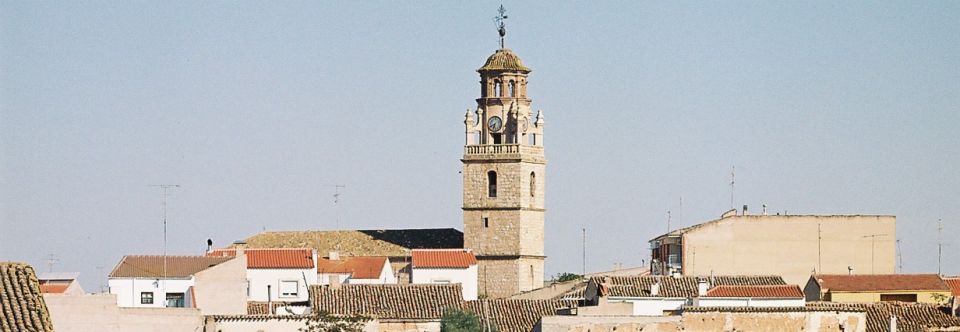

An enclave between the La Mancha plain and the Júcar River
La Gineta sits on a plain where, millions of years ago, the Júcar River made a geological decision that changed the map of Spain, a phenomenon known as the “capture bend”. It is located in an eminently flat territory, at about 690 meters above sea level, very close to the old course of the Júcar River. This open and luminous landscape, so characteristic of La Mancha, is gently undulating due to the depression caused by the river course, forming a fertile environment where agriculture has always been the driving force of life.
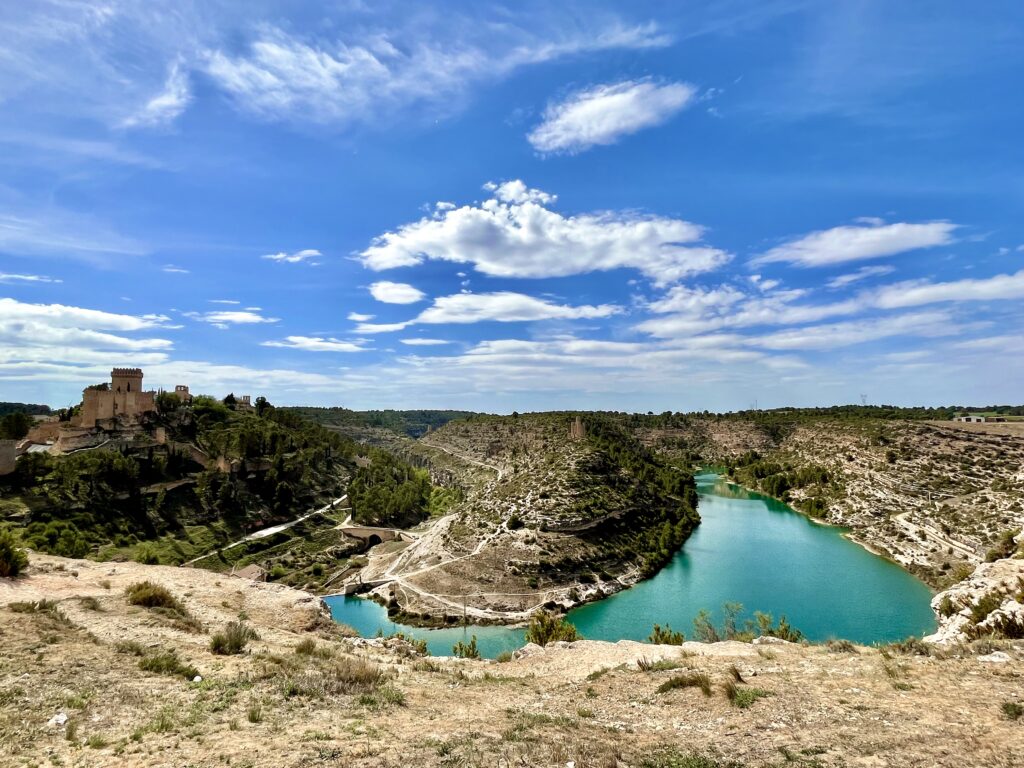
The geology of the area is also of interest. The old Júcar valley, visible from the highway, preserves the traces of a unique geological past: millions of years ago, a natural deviation of the river caused its waters to stop flowing towards the Atlantic (via the Guadiana) and head towards the Mediterranean Sea. This phenomenon, known as a “capture bend,” shaped the relief of the area and gave rise to a basin of great natural and historical value.
Its location is no coincidence: since ancient times, La Gineta has been a crossing point on the Camino Real and on routes linking the center of the peninsula with the Levante. Today, it continues to be a strategic enclave, crossed by the A-31 motorway, which connects Madrid with Alicante, and by the CM-220 road, which leads to Cuenca. This privileged position has allowed for its economic development and a constant connection with the major communication routes of southeastern Spain.
From medieval foundation to independent town
The history of La Gineta dates back to the 14th century, when it was founded by Infante Don Juan Manuel in 1337. For centuries it was linked to Albacete, but over time it achieved municipal autonomy in the 16th century, consolidating itself as a town in its own right. Its name already appears in historical documents of the time, reflecting the importance of the enclave as a crossing point and meeting place for travelers, merchants, and peasants.
During the Old Regime, La Gineta was part of the Kingdom of Murcia, and within it, the Partido de Albacete. In the Nomenclátor de Floridablanca (Floridablanca Gazetteer) of 1789, it is registered as a town under royal jurisdiction, reflecting its administrative and economic importance within the region.

The town also suffered the vicissitudes of history. During the War of Independence in 1811, French troops raided the town, requisitioning food and horses. Later, during the Carlist Wars, La Gineta was temporarily occupied by General Santés’ troops, who imposed a heavy economic contribution on its residents. Even so, the hard-working nature of its people allowed the town to recover quickly from these crises, reaffirming its rural identity and its vocation for progress.
The industry that was born from the hands: the art of chair making
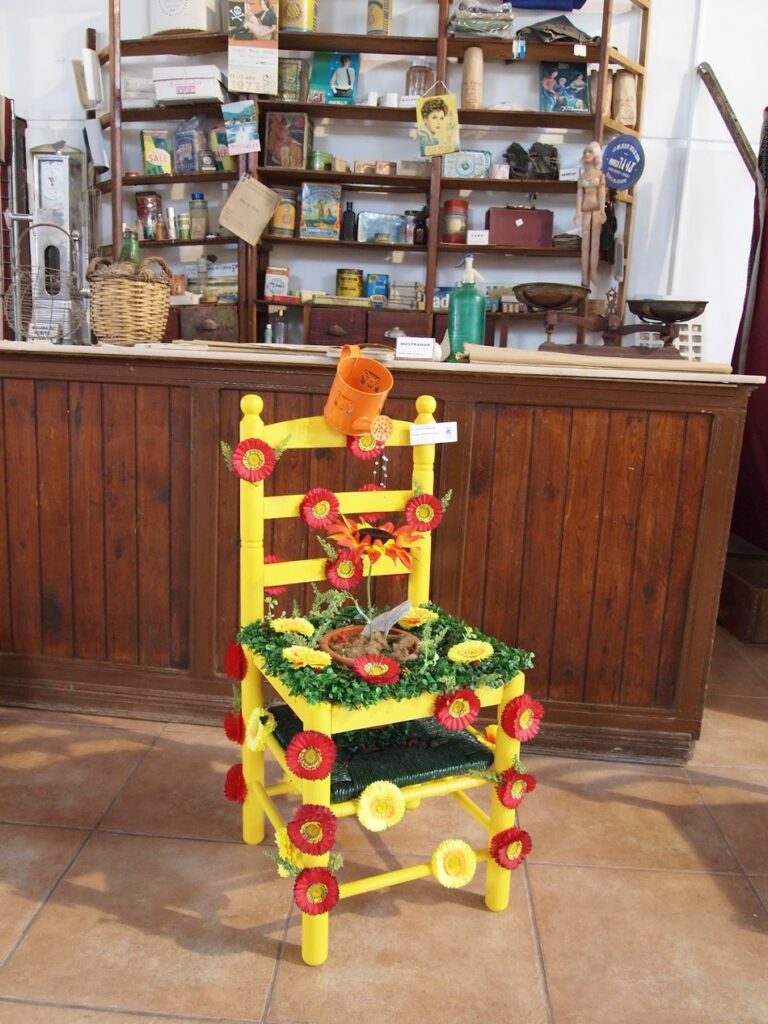
Although agriculture was the economic pillar of the municipality for centuries, in the mid-20th century La Gineta underwent a real transformation thanks to the wood industry and chair manufacturing. It all started with small family workshops and the talent of craftsmen who knew how to work with rush, esparto grass, and wood with mastery.
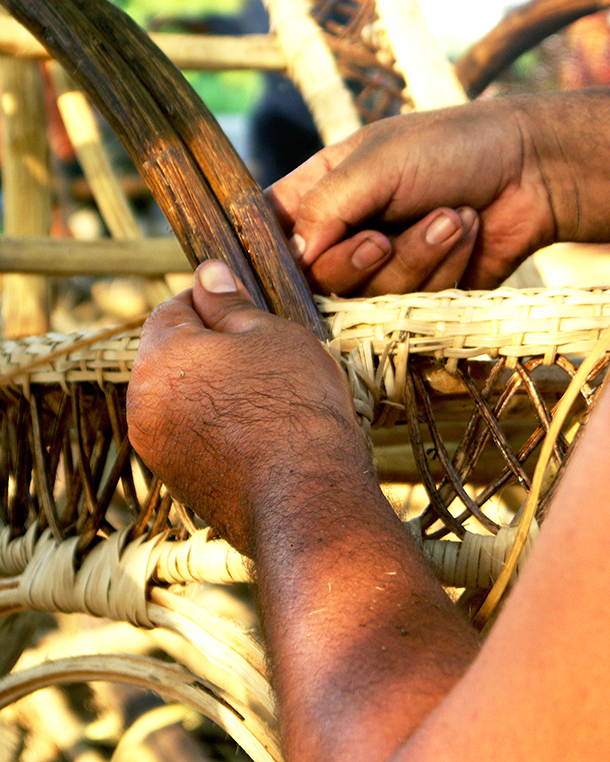
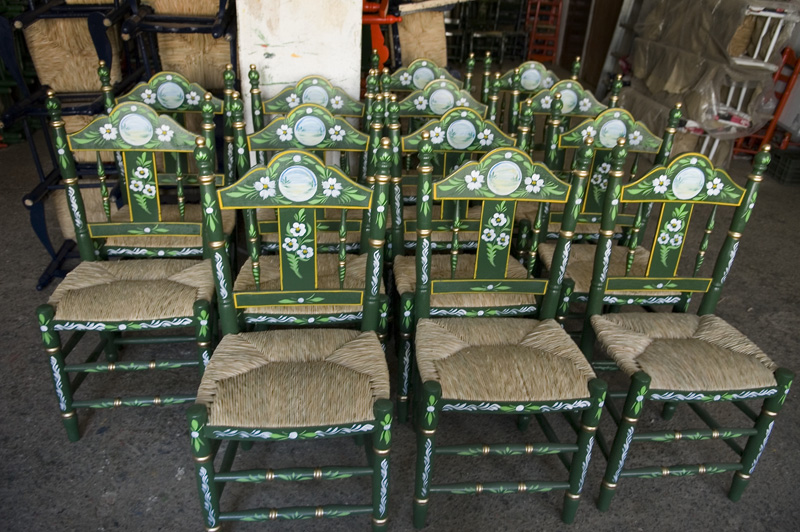
One of the key figures was the entrepreneur Juan García Rausell, originally from Ollería, who brought his experience and knowledge to La Gineta. From then on, the town became a national benchmark in the production of chairs, especially the traditional cane chairs that are so common in homes, taverns, and courtyards throughout Spain.
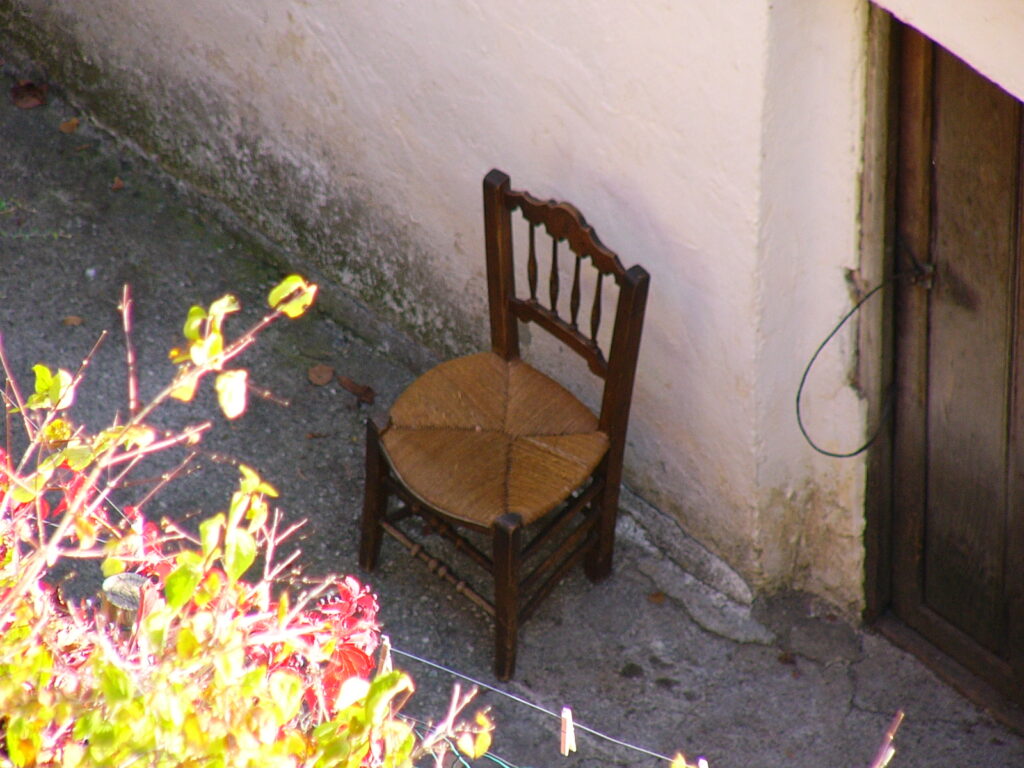
The word “ensoguear,” which refers to the art of weaving rush leaves to make seats, is part of the local vocabulary and the collective memory of the country. Although artisanal production has been declining, the prestige of those chairs from La Gineta endures, and the municipality continues to be linked to the manufacture of rustic and Provençal furniture.
Today, several industrial estates such as Torobizco and Garysol are home to companies from different sectors, reflecting the economic diversification achieved in recent decades. The combination of craft tradition and entrepreneurial spirit defines a community that has managed to adapt to new times without losing its essence.
The heart of La Gineta: the Church of San Martín de Tours
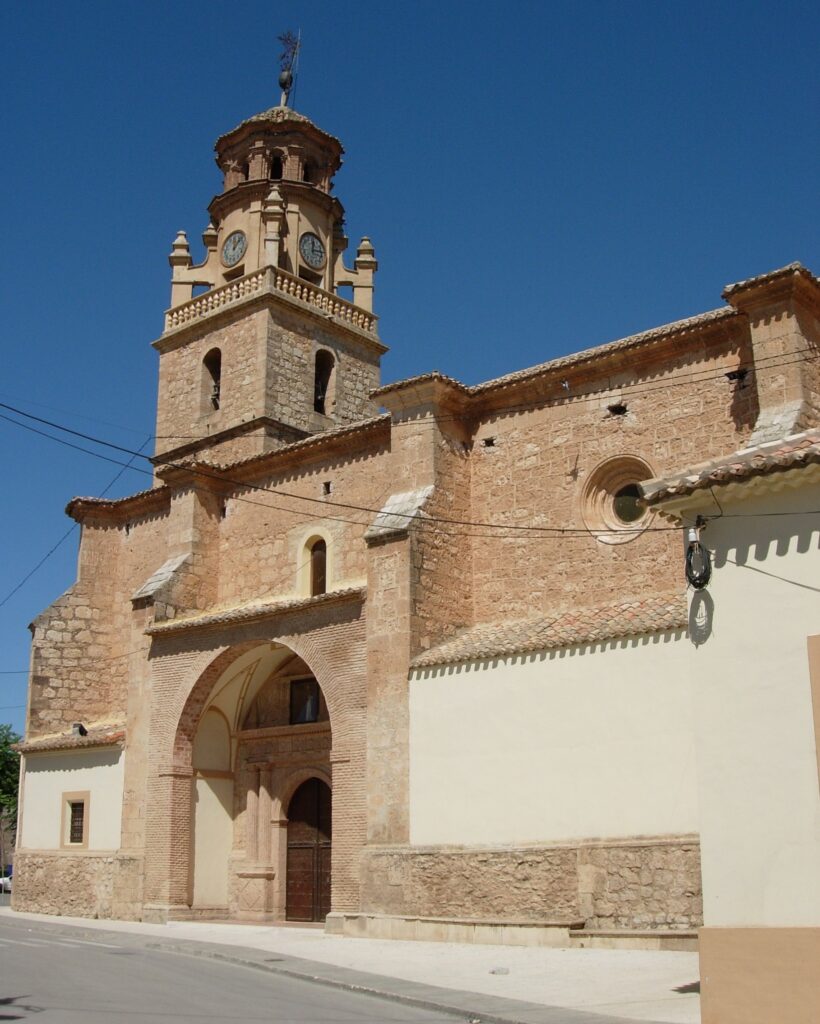
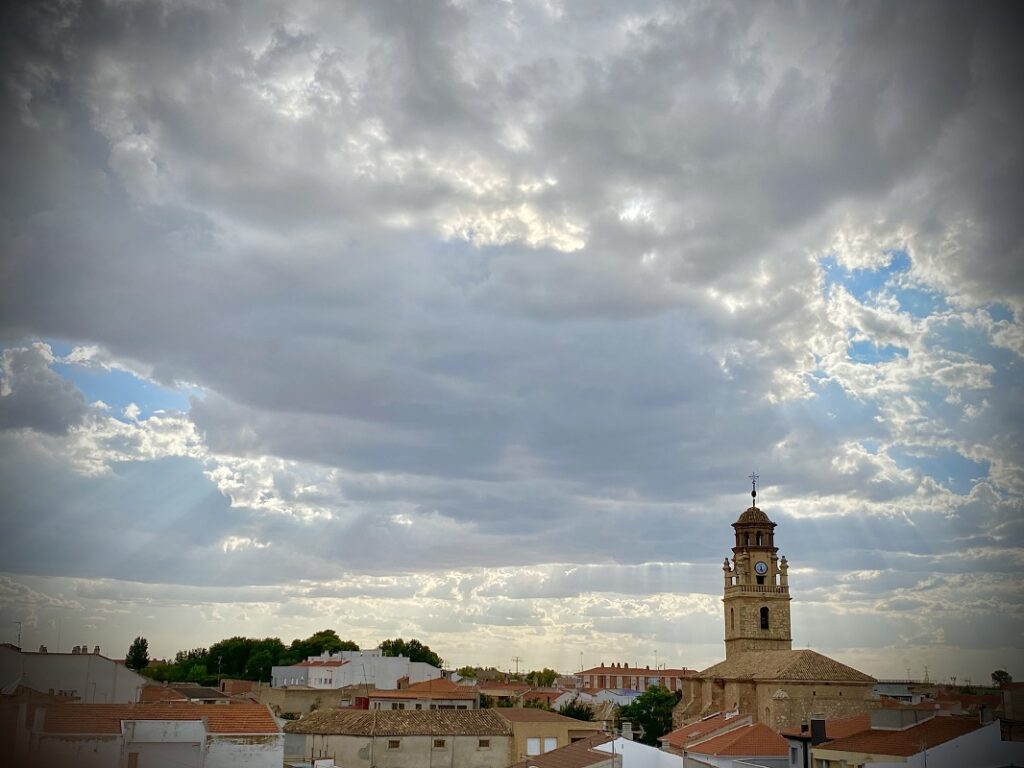
If there is one building that defines the profile of La Gineta, it is undoubtedly the Parish Church of San Martín de Tours. Its slender 46-meter tower rises above the La Mancha skyline and is visible from several kilometers away. Built at the beginning of the 16th century, it is a jewel of late Gothic architecture with Renaissance elements, considered by many to be “the jewel of La Mancha’s Gothic architecture.”
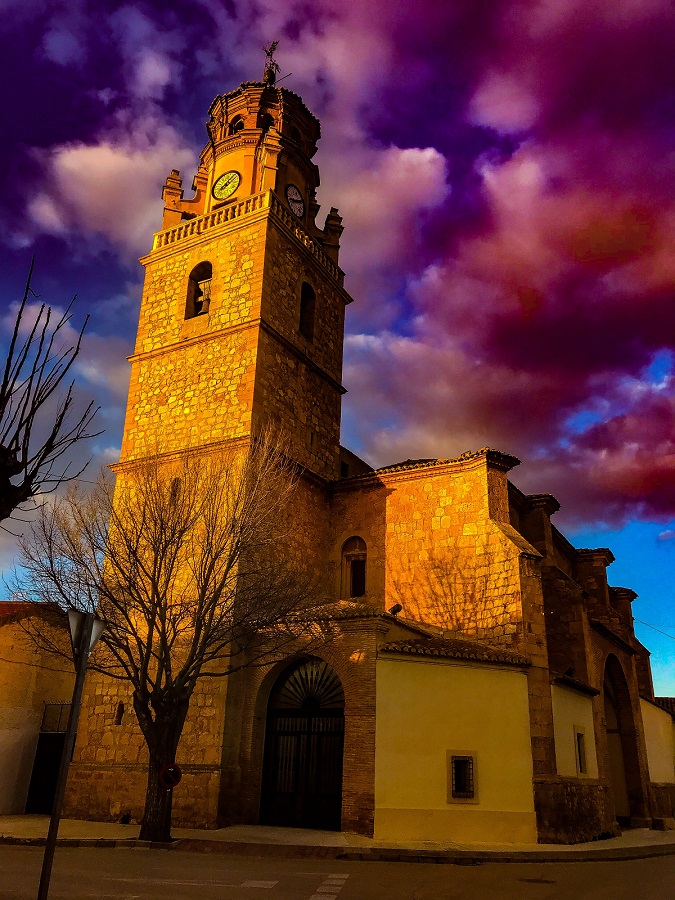
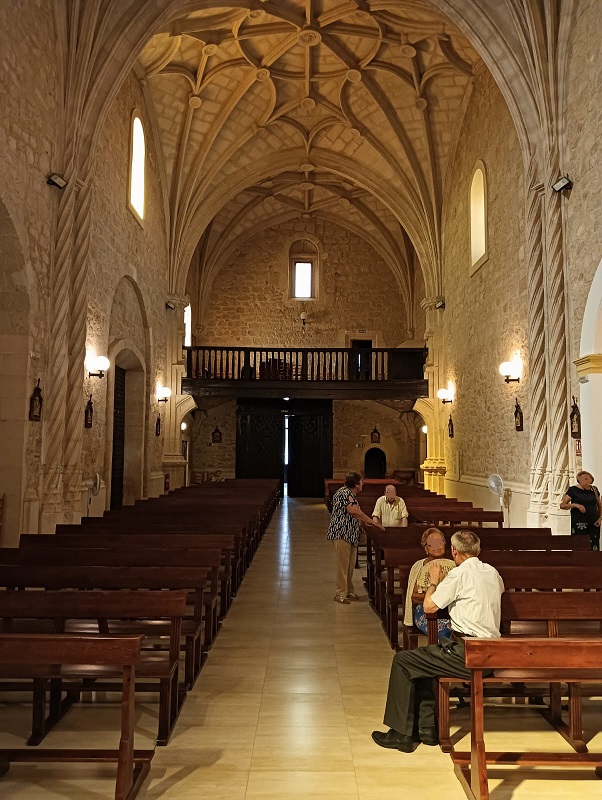
The temple has a single nave divided into four sections and a square chancel. Inside, the helical attached pillars and star-shaped ribbed vaults create an impressive visual effect, with carved keystones that reflect the virtuosity of the stonemasons of the time. In the central areas of the church, the curved arches and ogee mouldings reveal the transition to the Renaissance, achieving a balance between Castilian sobriety and the decorative fantasy typical of the late Gothic period.
The main façade, dating from around 1550, is the work of the master Jerónimo Quijano, although some scholars attribute it to the brilliant Andrés de Vandelvira. It is composed of Corinthian columns, a triangular pediment, and a semicircular arch decorated with grotesque motifs, forming one of the most beautiful Renaissance façades in the province.
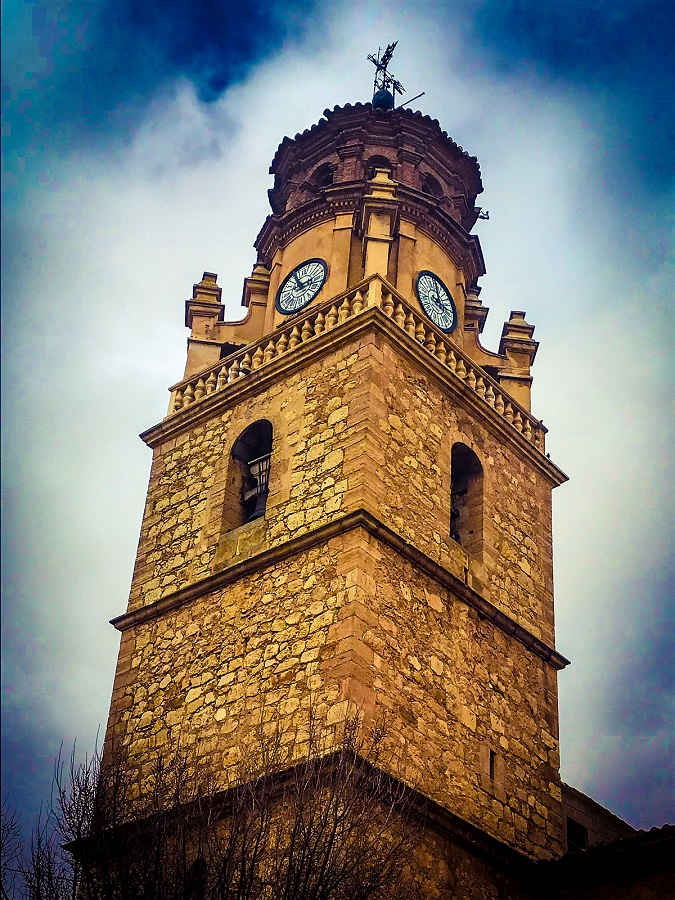
The tower, built in rough ashlar and reinforced with ashlars at the corners, is divided into four sections. Its octagonal belvedere and stone railing, added in the 18th century, add an elegant and distinctive touch. At the top is the clock, a symbol of the passing of time in the lives of the people of Ginete.
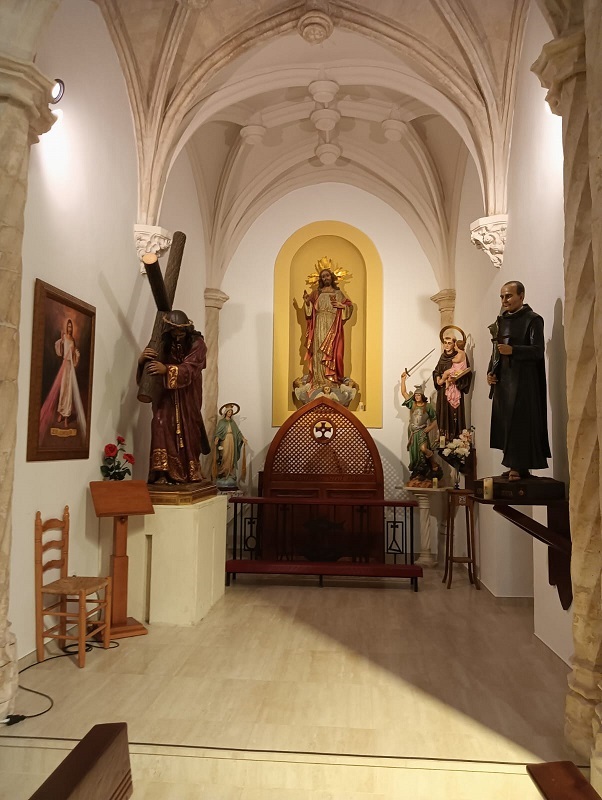
From the old 17th-century Baroque altarpiece, the work of Juan Sánchez Cordobés, the image of the Cristo de la Buena Muerte (Christ of the Good Death) has been preserved, along with several canvases from the upper section. During a recent restoration, Gothic murals were discovered, including a representation of The Last Supper, although it has been badly damaged over the centuries.
The Ethnographic Museum and the memory of the village
For those who wish to delve deeper into the local identity, a visit to the Ethnographic Museum of La Gineta, opened in 2004, is a must. This space houses agricultural tools, domestic objects, handcrafted utensils, and historical documents that recount what daily life was like in the town in past centuries. It is also a tribute to the generations who built the town with effort and creativity.
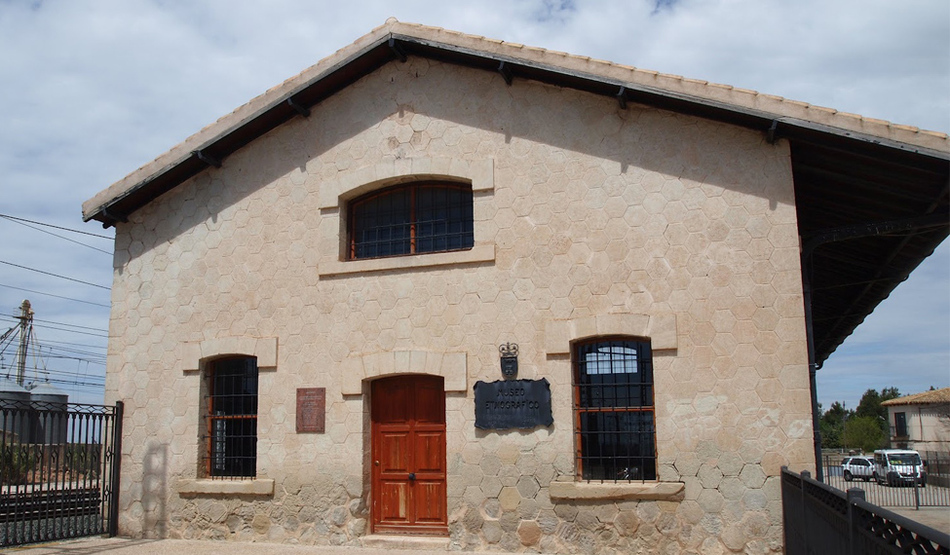
The museum is also an excellent introduction to understanding the importance of manual labor, the countryside, and traditions in the development of the community. A tour of its rooms allows visitors to understand the evolution of La Gineta from its medieval foundation to its modern consolidation.
Nature and the Camino de Santiago: La Gineta on the Camino de Levante
Beyond its historical heritage, La Gineta offers visitors a natural environment that invites calm. The municipality is located on the Camino de Santiago de Levante, one of the least traveled and most authentic pilgrimage routes, which links Valencia with Zamora and connects there with the Vía de la Plata.
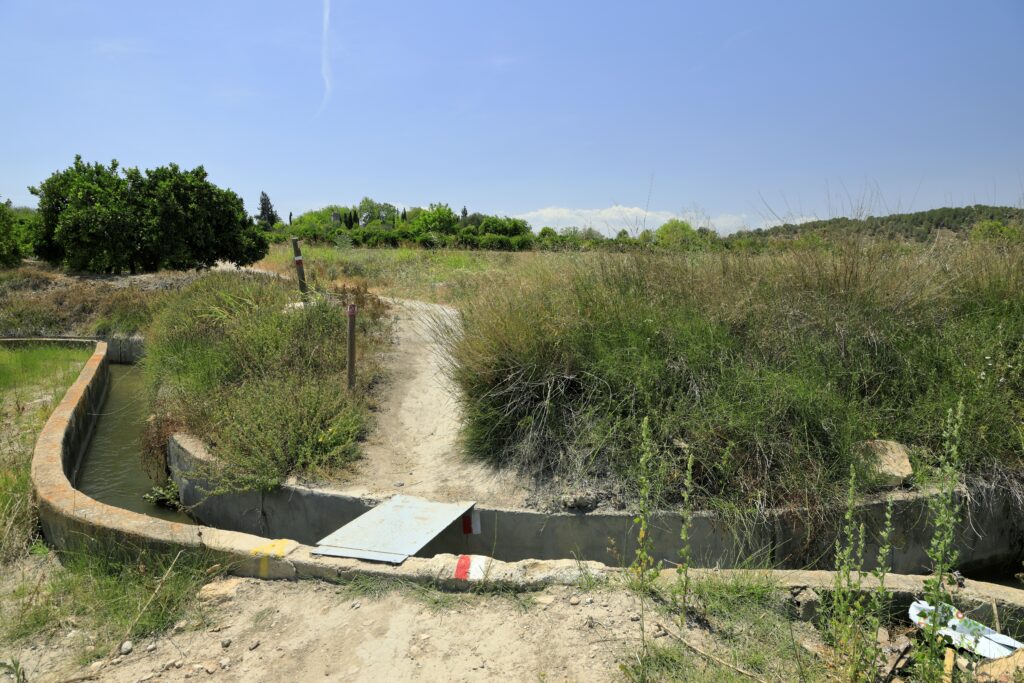
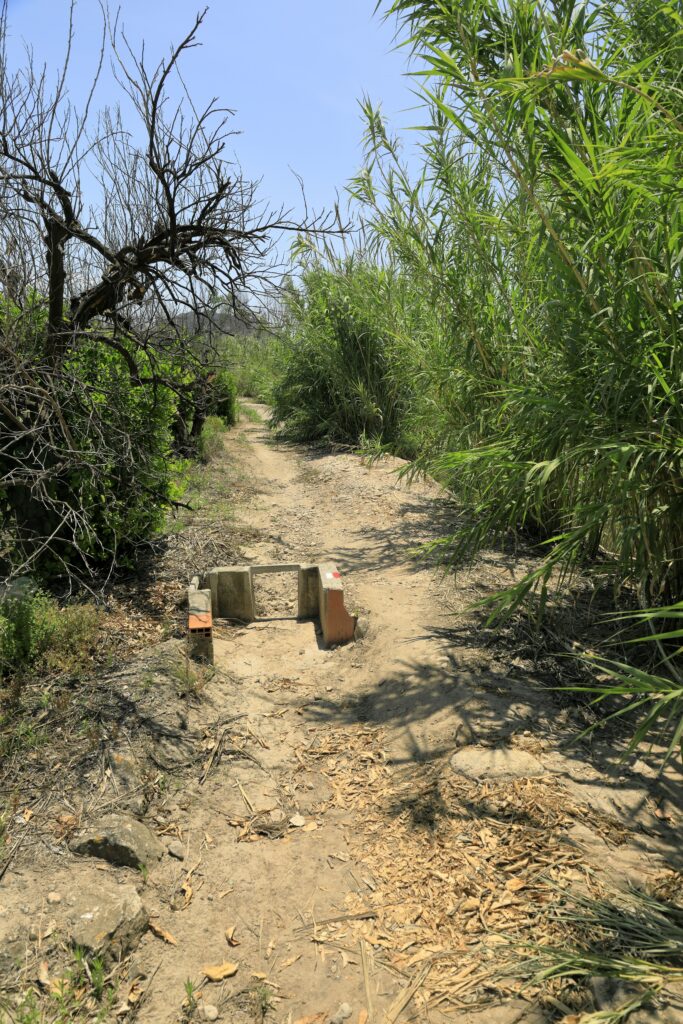
The section that crosses La Gineta comes from Albacete capital and continues towards La Roda, allowing pilgrims to enjoy rural landscapes, cereal fields, and open horizons where silence and light define the soul of La Mancha. This itinerary not only provides cultural and spiritual richness, but has also become a sustainable tourist resource that reinforces the identity of the territory.
For those looking for an outdoor excursion, the natural environment of Pozo Rubio is another recommended stop. It is a recreational area equipped with picnic areas, children’s playgrounds, and spaces for pilgrimages, where gatherings and popular festivals are held in a family atmosphere. It is an ideal place to enjoy the landscape of La Mancha at its best.
Festivals, traditions, and local life
Social life in La Gineta revolves around its patron saint and religious festivals, which fill the streets with color, music, and tradition.
- San Isidro Labrador, on May 15, is celebrated with an outdoor pilgrimage, where residents decorate tractors and carts and share popular meals in the countryside.
- The Fiestas de la Virgen del Buen Suceso, at the beginning of May, are another of the most eagerly awaited moments of the year, with cultural activities, processions, music, and street parties.
- From September 13 to 15, the Fiestas del Cristo de la Misericordia take place, the most important on the local calendar, where the sawdust carpets that the residents lovingly make in front of the Town Hall and in streets such as Sahuquillo and Lope de Vega are a sight to behold.
- Finally, on November 11, the feast of San Martín de Tours, patron saint of the town, is celebrated. Although the festive part has diminished over the years, the mass in his honor is still held and popular devotion remains intact.
Added to all this are the Carnivals, the Holy Week celebrations, and other local traditions that reinforce the sense of community and keep the town’s roots alive.
Living heritage and nearby routes
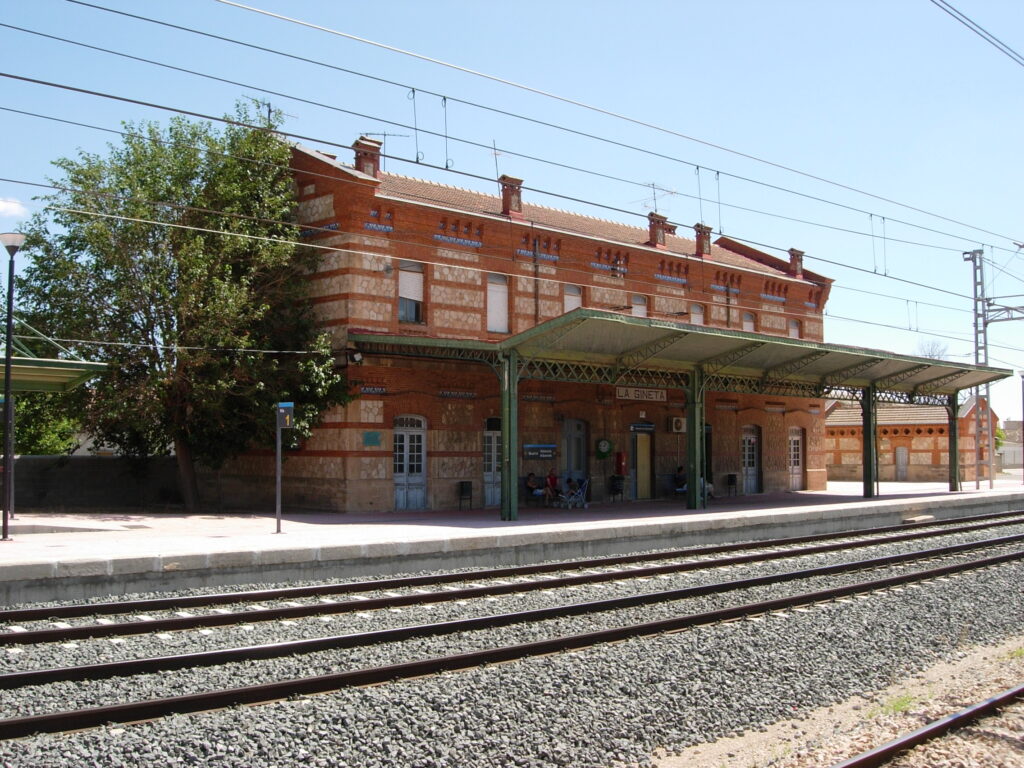
Strolling through the streets of La Gineta is like discovering little hidden gems around every corner. In the historic center, heraldic coats of arms can still be seen on old façades, along with remnants of traditional La Mancha architecture. Not far from the town center, fragments of an ancient Roman road have been found, bearing witness to the passage of civilizations that took advantage of this natural route between the Meseta and the Mediterranean.
Its proximity to Albacete allows you to combine your visit with other places of interest such as La Roda, Fuensanta, and Montalvos, towns that share the same La Mancha character and a remarkable wealth of heritage. In addition, the region of Mancha del Júcar offers agricultural landscapes, quiet villages, and simple hospitality that makes each stop a genuine experience.
Complement your route in Albacete
If you are visiting Albacete, don’t hesitate to lose yourself in other destinations we have on the map:
- Bogarra: A village where you can disconnect, find authenticity, and enjoy natural beauty in its purest form.
- Chinchilla de Montearagón: a town declared a Historic-Artistic Site, which was the capital before Albacete.
- Nerpio: A hidden gem that surprises visitors with its archaeological heritage and natural wealth.
- Letur: Known as ‘the village of water’, it has the best-preserved medieval layout in the entire province.
Flavors of La Gineta
Like any good La Mancha region, La Gineta also seduces the palate. In its bars and restaurants you can sample traditional dishes such as gazpacho manchego, migas ruleras, atascaburras, ajo pringue or game stews, accompanied by the excellent wines of the area. There is no shortage of homemade sausages, Manchego cheese, and traditional sweets made by artisans.
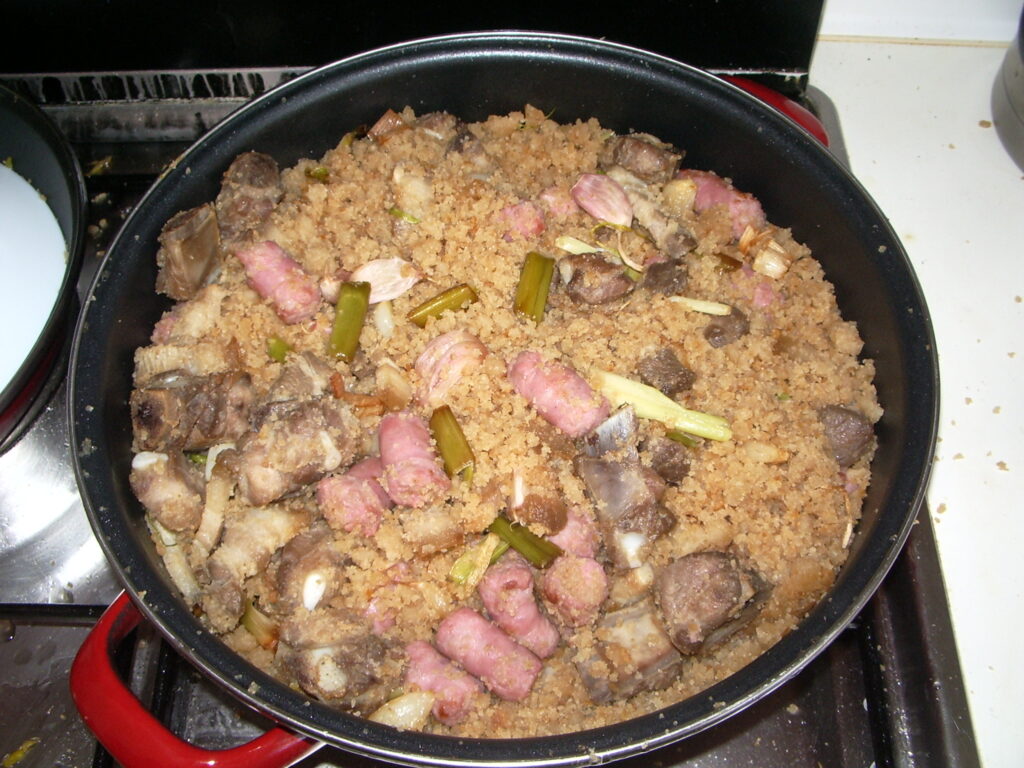
The local cuisine maintains the spirit of peasant cooking: simple, nutritious, and based on local products. Tasting it after a stroll through its streets or a day on the Camino de Santiago is a delicious way to complete the experience.
A corner with the soul of La Mancha
La Gineta is not just a name on the map. It is the sum of centuries of history, of generations who have known how to build a place where time seems to pass more slowly. It is the sound of the wind in the fields, the ringing of the San Martín bell, the smell of rushes and freshly worked wood, the voice of a neighbor greeting you as you pass by.
Anyone who visits this corner of Albacete will discover that, behind its apparent simplicity, lies a village full of character, where every stone, every tradition, and every smile speaks of the soul of La Mancha.
Photo Credits
Below are the photo credits in order of appearance. Royalty-free photos will not be listed below:
- Cover Image: Castilla-La Mancha, via cultura.castillalamancha.es
- Escapada Rural, via escapadarural.com
- ELandaMoyano, CC BY-SA 4.0, via Wikimedia Commons
- Jerdozain, CC BY-SA 3.0 ES, via Wikimedia Commons
- Augusto Ferrer-Dalmau, CC BY-SA 3.0, via Wikimedia Commons
- HumbRios, CC BY-SA 3.0, via Wikimedia Commons
- Juanmtapia, CC BY-SA 3.0, via Wikimedia Commons
- Romero García, Javier, CC BY-SA 3.0, via Wikimedia Commons
- Castilla-La Mancha, via cultura.castillalamancha.es
- Castilla-La Mancha, via cultura.castillalamancha.es
- I, Espanish AlB, CC BY-SA 2.5, via Wikimedia Commons
- Castilla-La Mancha, via cultura.castillalamancha.es
- Castilla-La Mancha, via cultura.castillalamancha.es
- Turismo de Castilla-La Mancha, via turismocastillalamancha.es
- Turismo de Castilla-La Mancha, via turismocastillalamancha.es
- Falk2, CC BY-SA 4.0, via Wikimedia Commons
- Falk2, CC BY-SA 4.0, via Wikimedia Commons
- I, Espanish AlB, CC BY-SA 2.5, via Wikimedia Common
- Avicentegil, CC BY-SA 4.0, via Wikimedia Commons


.JPG)


