Los Charcones, Lanzarote: Playa Blanca’s best-kept secret
On an island like Lanzarote, where every corner surprises you with landscapes that seem to have been sculpted by a higher power, there are still places that remain almost untouched, silent, hidden from the tourist hustle and bustle and reserved for those seeking a purer connection with volcanic nature. Among these treasures is Los Charcones, a string of unspoilt natural pools that stretch along the south-west coast of the island, very close to Playa Blanca and the iconic Pechiguera Lighthouse.
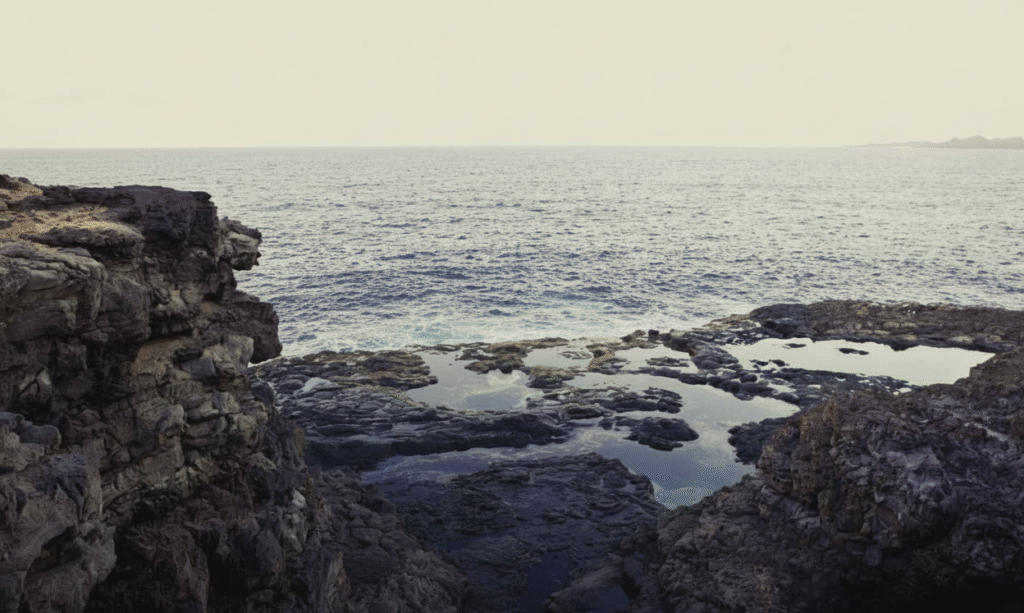
This enclave, formed by whimsical cavities shaped by lava and Atlantic waves, offers some of the most transparent and tranquil waters in Lanzarote. It is a refuge where silence reigns, where the sea constantly renews the pools and where one can feel the island as it truly is: pure, wild, beautiful.

A paradise between black lava and turquoise water
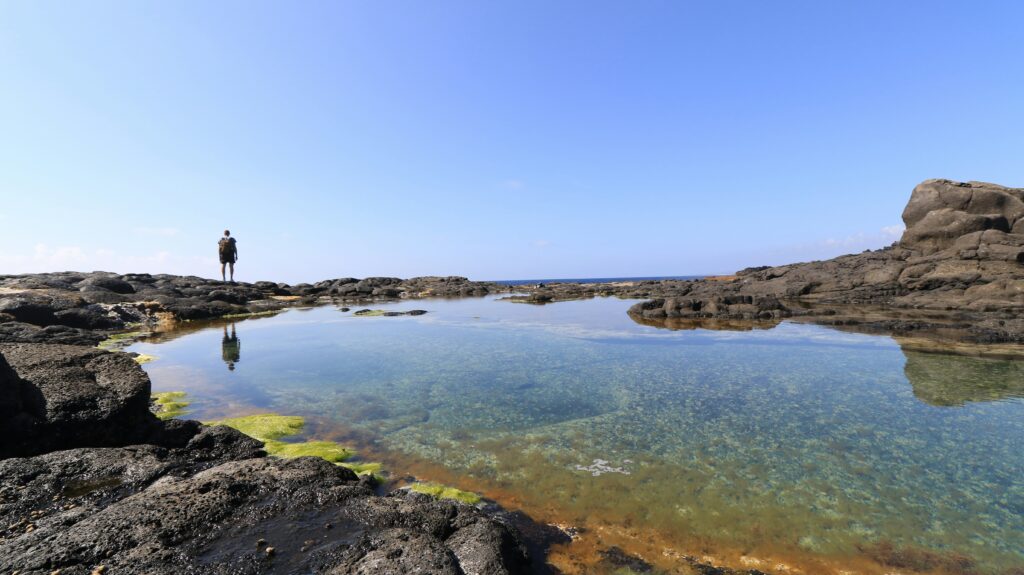
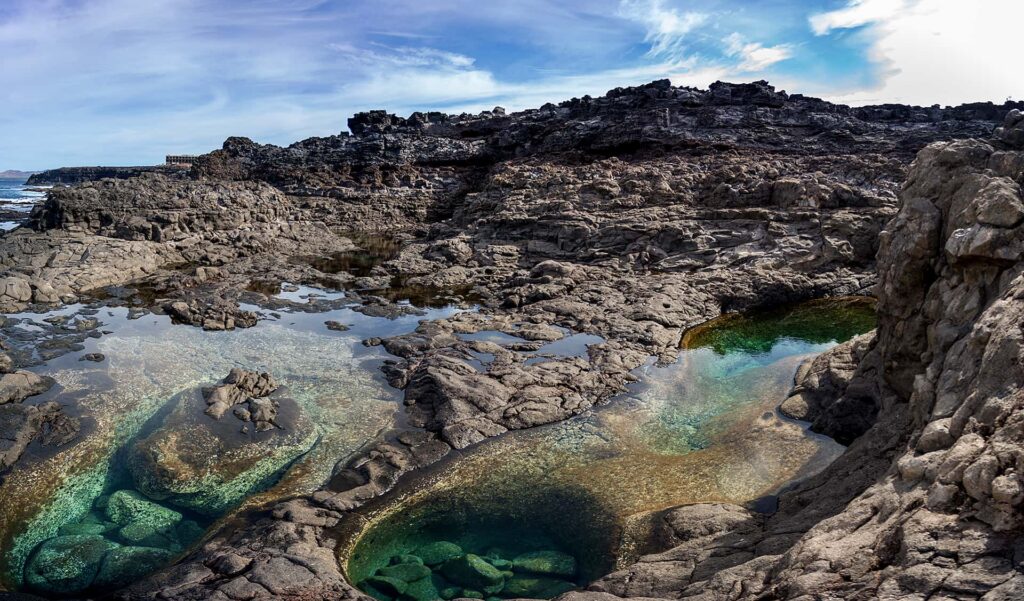
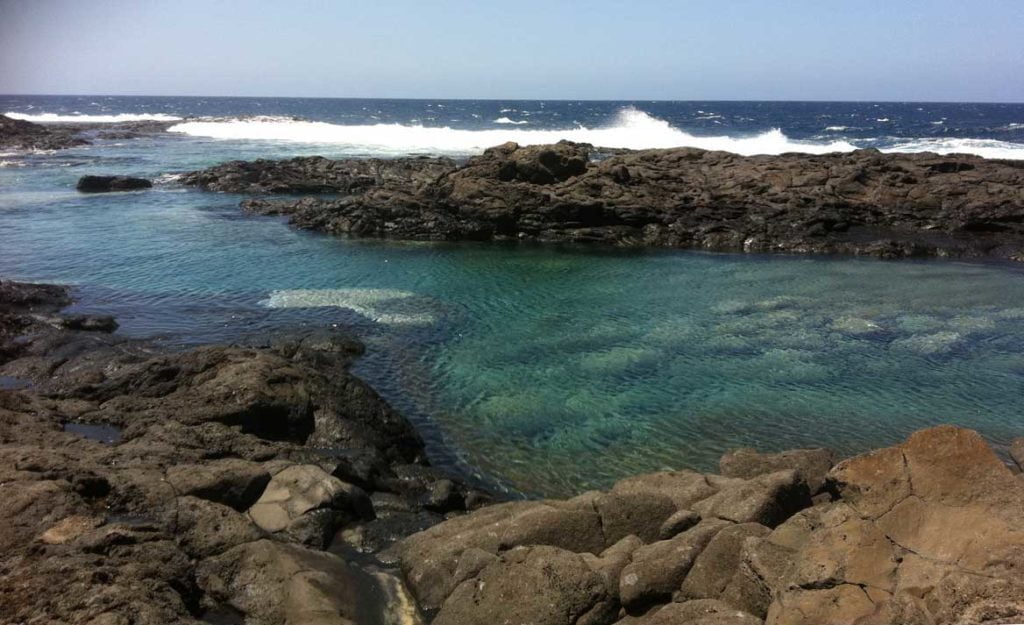
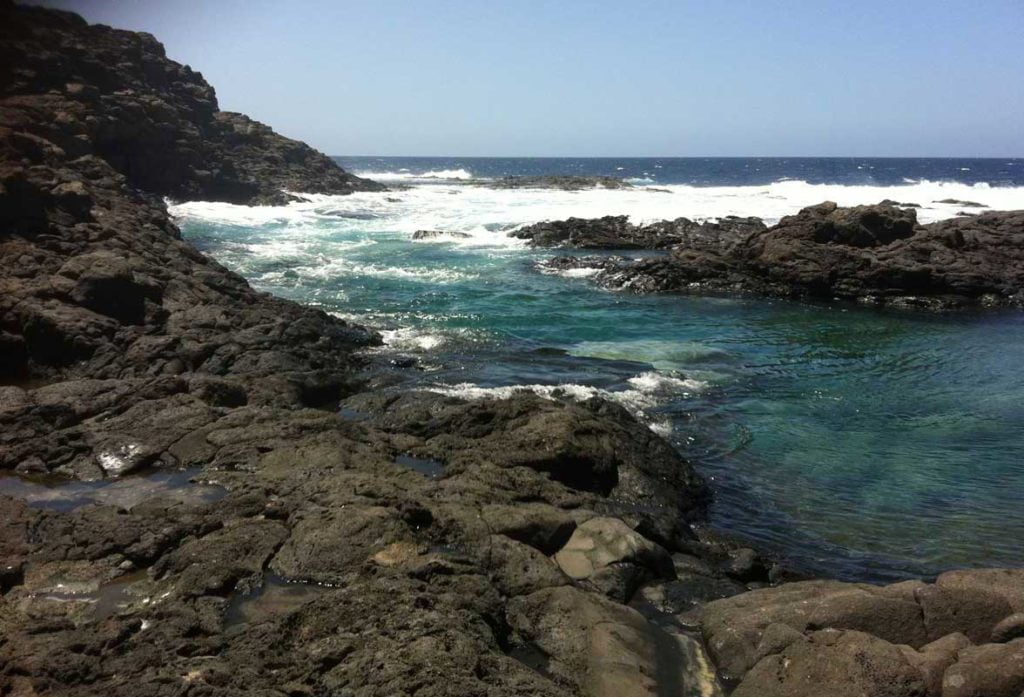
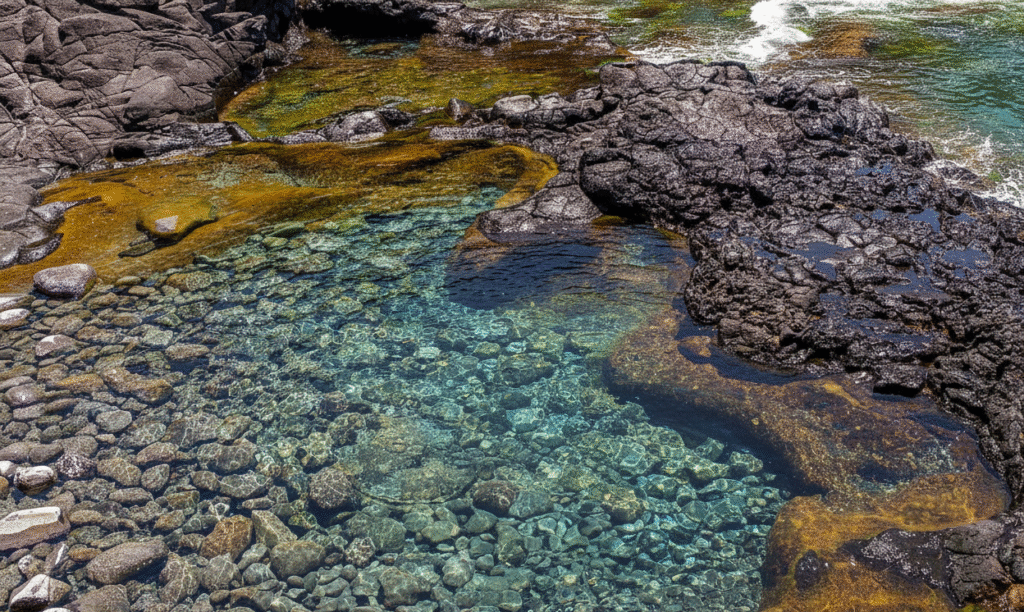
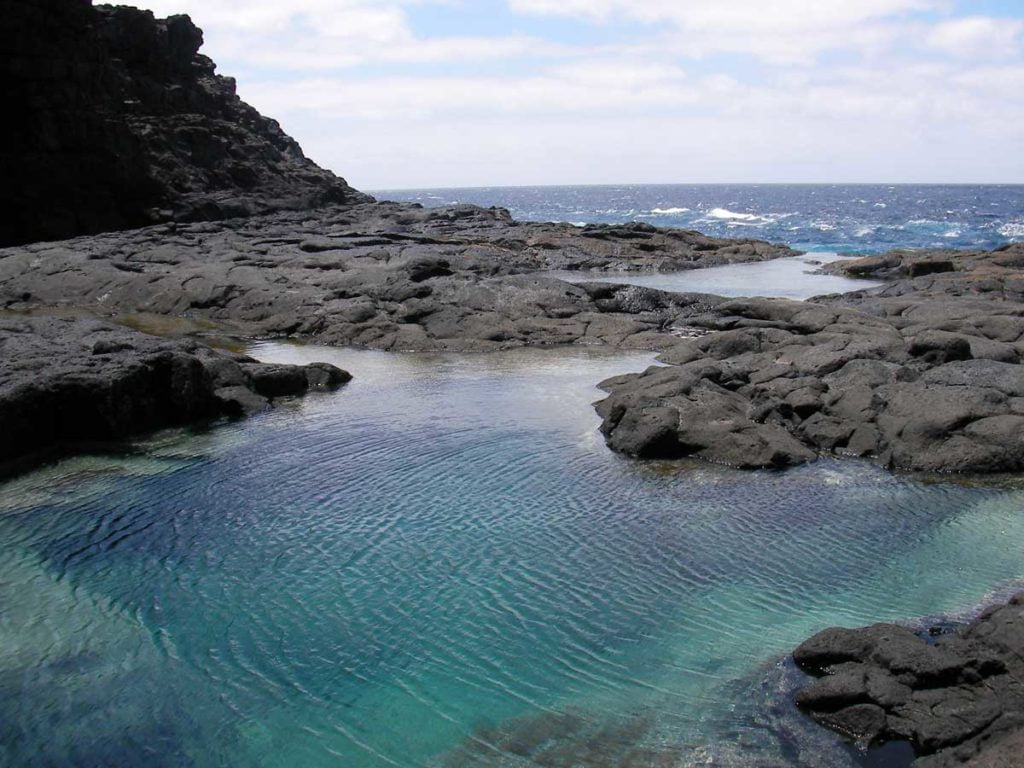
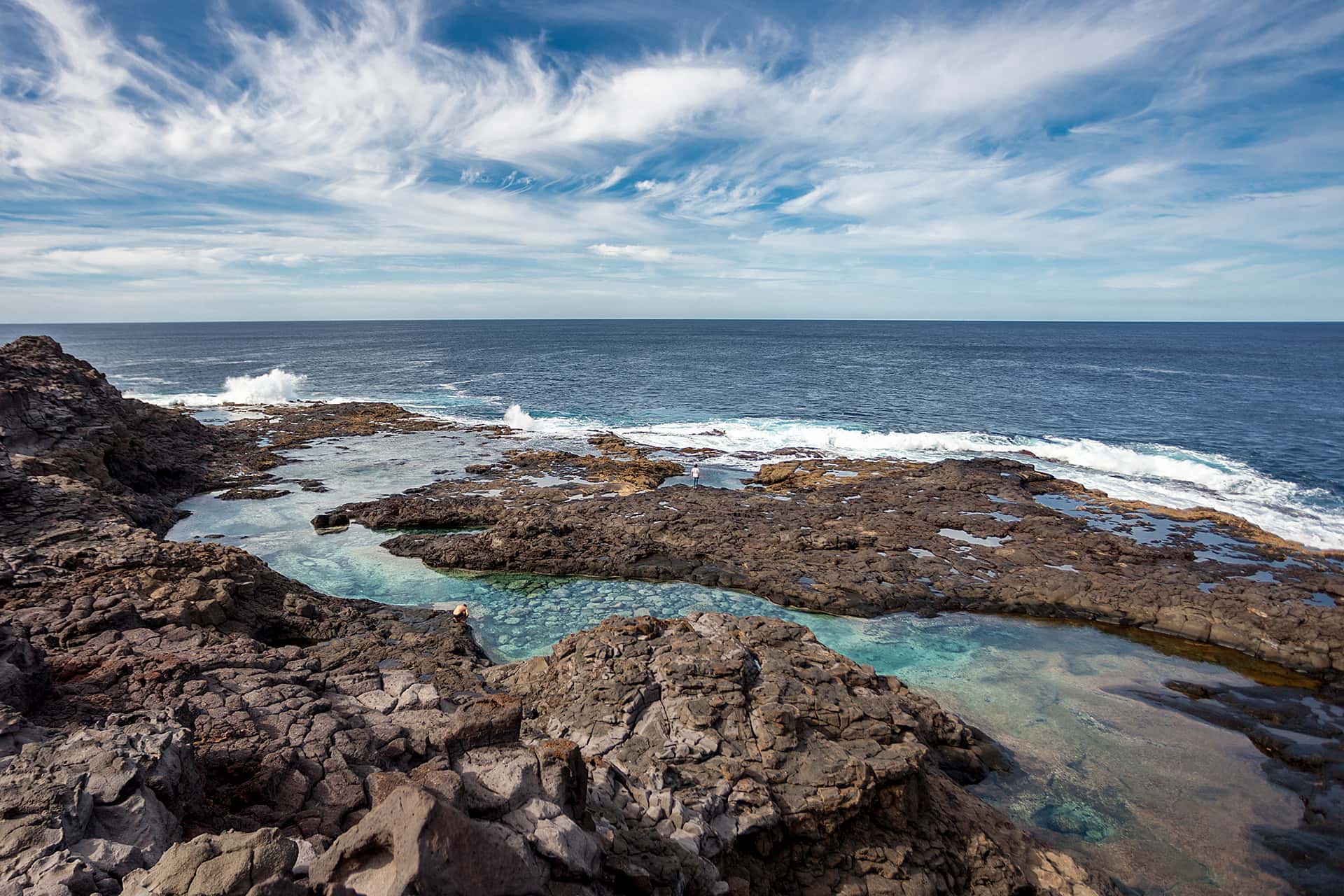
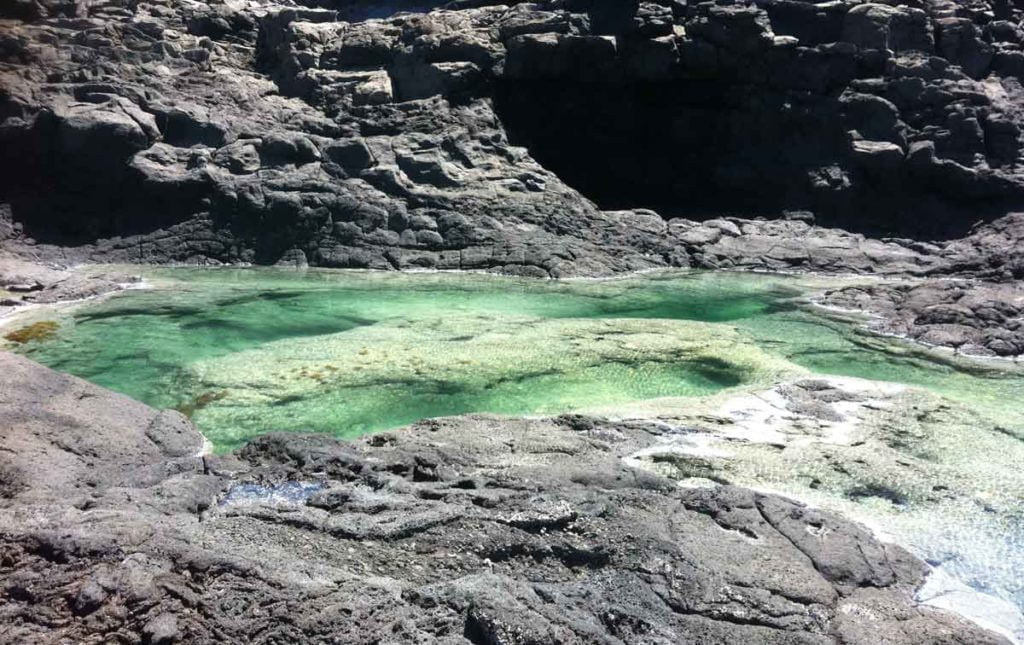
The first impression upon arriving at Los Charcones is always the same: an overwhelming contrast between the dark, almost lunar volcanic landscape and the natural pools that shine with intense turquoise, green and blue hues. This clash of colours is part of the area’s charm.
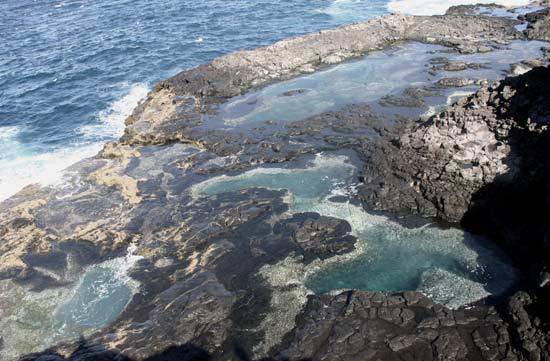
The pools are spread out along about two kilometres of coastline, from the area located about 2 km north of the Pechiguera Lighthouse towards Janubio. Each one has its own shape, depth and characteristics:
- Some are perfect for a peaceful swim, barely disturbed by the waves.
- Others are deeper, ideal for jumping off the rocks.
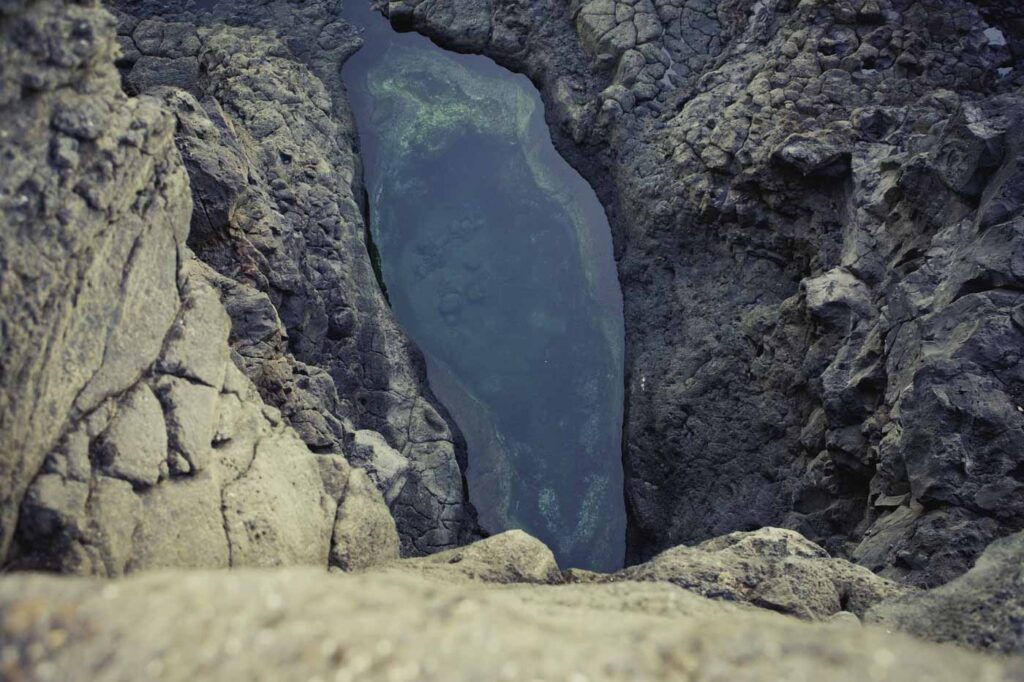
- And many are small and intimate, as if nature had designed them to be enjoyed in solitude.
One of the most notable features of Los Charcones is its low occupancy. Unlike the beaches of Playa Blanca or Papagayo, there are usually no crowds here. The somewhat complex access, the absence of services and the lack of signage mean that this corner remains far from mass tourism. For many, that is exactly what makes it irresistible.
A coastline marked by history: the abandoned Atlantic Sol hotel
Curiously, the best-known landmark in Los Charcones is not a natural wonder, but a monument to ugliness and failure: the abandoned Atlantic Sol hotel. This concrete skeleton, built in the mid-1970s and never put into operation, stands as an insult to the surrounding landscape.
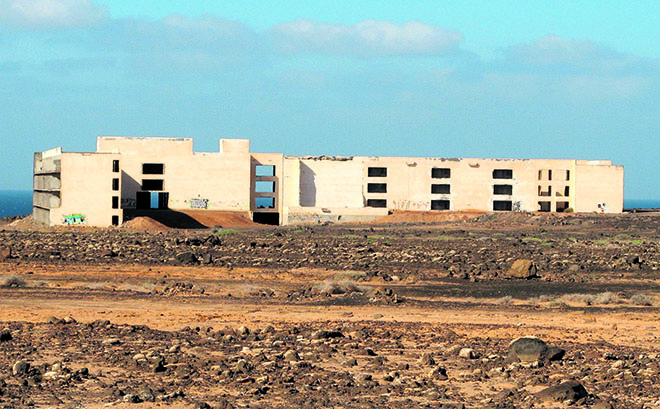
This gloomy building, inexplicably still standing despite its ruined condition and visual impact, paradoxically serves as the most useful reference point for visitors. About 50 or 60 metres south of this grey mass are the most famous and best-protected pools, often considered by Lanzarote locals to be the best in the area.
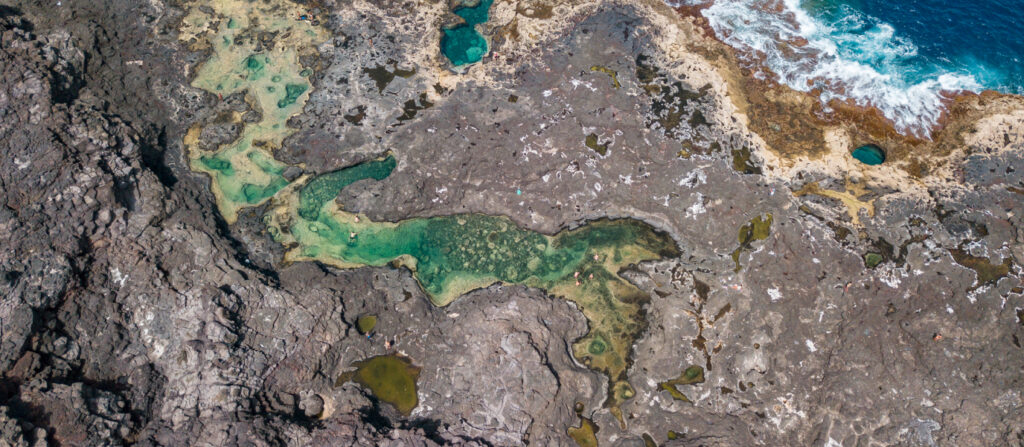
The juxtaposition is powerful and deeply symbolic. On the one hand, the organic perfection of nature, which has taken millennia to create its masterpiece. On the other, human folly, a construction that is deteriorating at the same rate as the basalt is moulding. It is a visual reminder of the fragility of the ecosystem and the responsibility that falls on visitors to preserve this unspoilt environment. Using the building as a reference point is inevitable, but the real act of visiting is to leave it behind and immerse yourself in the serenity that its ruins cannot touch.
The Traveller’s Compass: Essential Tips
Visiting Los Charcones is an adventure that requires caution and preparation. As it is an unspoilt, isolated environment with no services or surveillance, travellers must become their own guides and first aiders.
The Tide Factor: The Golden Rule
The most crucial tip, a secret shared among regulars, is to time your visit with the Bajamar (low tide).
- Safety: At low tide, the pools are more sheltered from the direct impact of the Atlantic, entry and exit are easier, and the force of the internal currents is minimised.
- Planning: Before setting off, it is essential to consult the local tide table and plan your stay for 1 to 2 hours around the lowest tide point.
- Wave alert: Even at low tide, if the groundswell is rough or the trade winds are blowing strongly, the message is clear: do not swim. An unexpected wave can overflow the pools and sweep away swimmers. If the Atlantic is ‘roaring’, enjoy the spectacle from above.
Even so, with caution, the experience is wonderful. The water refreshed by the sea, the absence of noise, the absolute tranquillity… it is difficult to describe in words the feeling of immersing yourself in one of these natural pools while the ocean roars a few metres away.
Practical advice
Given the isolation, it is vital to bring everything you need for the day:
- Suitable footwear: Essential. Volcanic rock (basalt) is extremely slippery when wet. Non-slip footwear, water shoes or trainers with good grip are recommended.
- Provisions: Bring plenty of water (1-2 litres per person) and food (snacks or a picnic), as there are no establishments nearby.
- Sun protection: The sun in the south of Lanzarote, although mitigated by the constant wind (a climatic benefit of the area), is intense. Use marine sunscreen (respectful of the ecosystem), a hat or light shade.
- Cleanliness: Bring a bag to remove all rubbish. Leaving the environment as you found it is an ethical duty.
- Remember that there are no facilities, showers, lifeguards or bins.
- Mobile phone coverage may be poor in some areas.
What you will find in Los Charcones (and what you won’t)
✔ Calm waters at low tide
✔ Natural volcanic rock pools
✔ Spectacular views and unspoilt surroundings
✔ Low occupancy
✔ Perfect areas for reading, meditating and unwinding
✘ No lifeguards
✘ No showers or facilities
✘ No shops or shade
✘ Access not recommended for families with young children
✘ No public transport
Los Charcones: an experience of total disconnection
Los Charcones is synonymous with tranquillity and low occupancy. The complex access acts as a natural filter, ensuring that this paradise remains free from crowds. This not only promotes relaxation, but also makes the area popular for nudism (or naturism) among those seeking a total connection with the environment.
A visit here becomes a complete sensory experience:
- Saltwater Therapy: Enjoying a dip in the constantly renewed seawater is a powerful boost of energy and well-being.
- Walking and Choice: The coastal walking route allows you to discover pools to suit all tastes: from a quiet spot for reading to a larger pool for swimming.
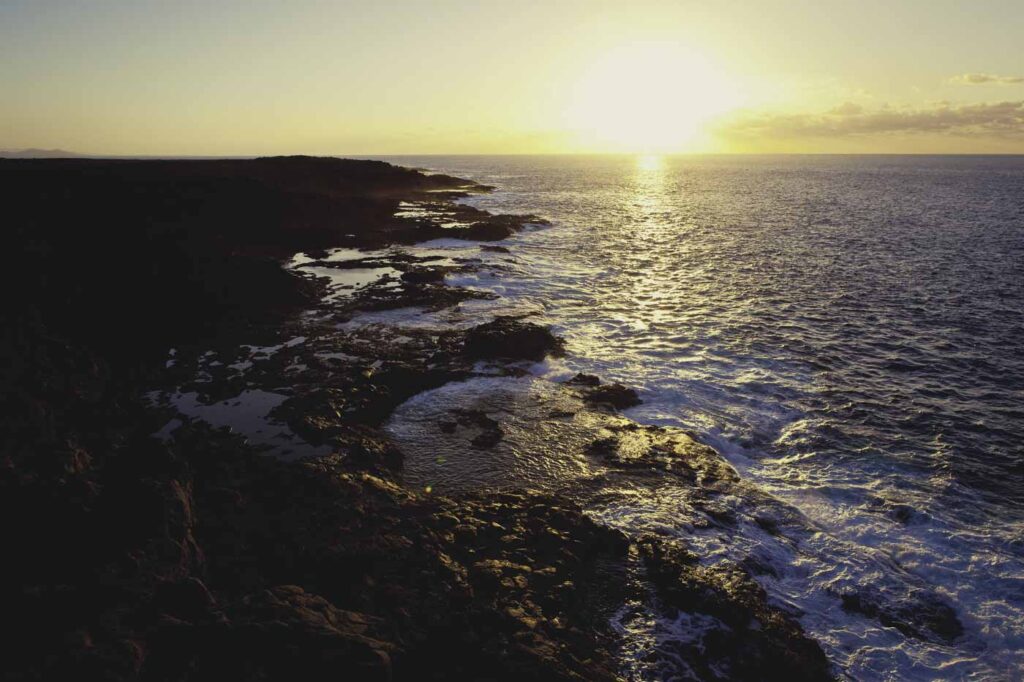
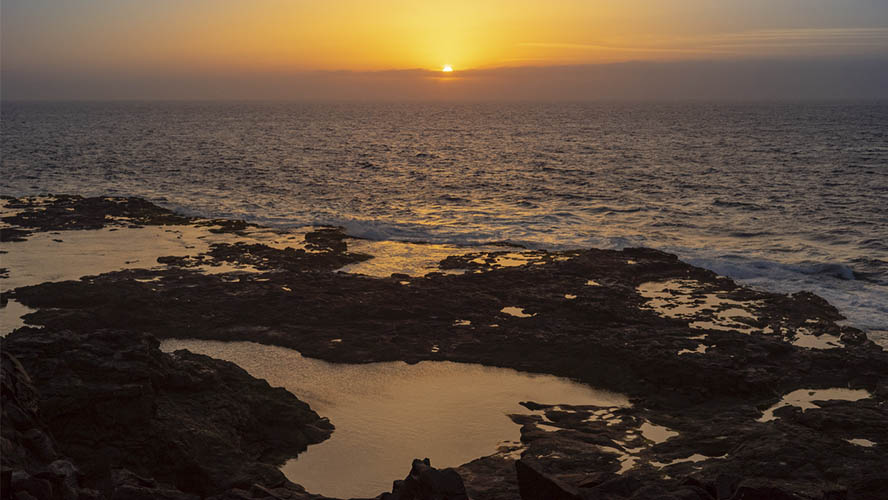
- Photography: The evening light over the turquoise waters is sublime, offering unique photographic opportunities of the contrast between the black lava and the white foam.
It is crucial to understand that this is not a place to visit with young children or people with reduced mobility, unless they are limited to the most accessible pools and extreme precautions are taken. The currents are stronger than they appear, and falling from the lava cliffs can be dangerous. The absolute rule is: never leave the pool area to venture into the open sea.
How to get to Los Charcones
Getting to Los Charcones is easy… but not comfortable. And that is precisely one of the keys to its charm.
By car
- From Playa Blanca, take the LZ-2 road north.
- Follow the signs to the Pechiguera Lighthouse.
- From the lighthouse, continue along a dirt track parallel to the coast.
This last stretch is the most delicate. The road is unpaved, with potholes and stones, and it is advisable to drive very slowly. The ideal thing is to park before the biggest potholes and continue on foot for a few minutes.
On foot
From the Pechiguera Lighthouse, a 3 km walk along a coastal path takes you directly to the first pools. The walk takes approximately one hour, is not technically difficult and offers spectacular views of the ocean.
Alternatives for the Traveller (and for the Family)
Although Los Charcones is unbeatable in terms of its unspoilt nature, Lanzarote offers other natural pool options that prioritise comfort or safety, especially if you are travelling with children:
Punta Mujeres: The Safe and Family-Friendly Option
Although Los Charcones is a paradise, it is not the best option if you are travelling with children. For those looking for comfortable, accessible and safe natural pools, Punta Mujeres, in the northeast of Lanzarote, is a perfect alternative.
- Urbanised and Safe: The locals themselves walled these pools to protect them from the waves, and they have stairs and ramps for easy access.
- Services: There is easy parking and local cuisine. It is an ideal place for a relaxed family swim.
- Climate: Locals suggest visiting after midday, as this area of the northeast tends to have cloudy skies in the morning.
Charco del Palo and Other Gems
Lanzarote is dotted with charming pools, each with its own personality:
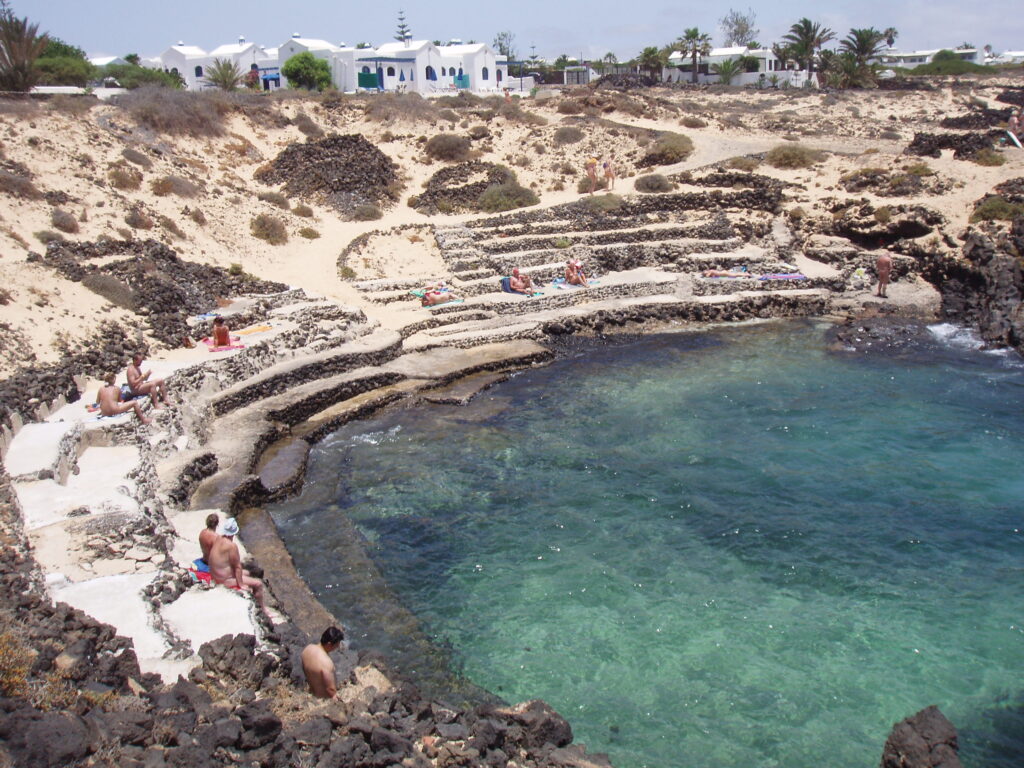
- Charco del Palo: Between Mala and Guatiza. Known as the first nudist tourist village in the Canary Islands. It offers three natural pools in a rugged setting, inviting total liberation of body and mind.
- Charco de Mala: A smaller, family-friendly option, well protected from the waves.
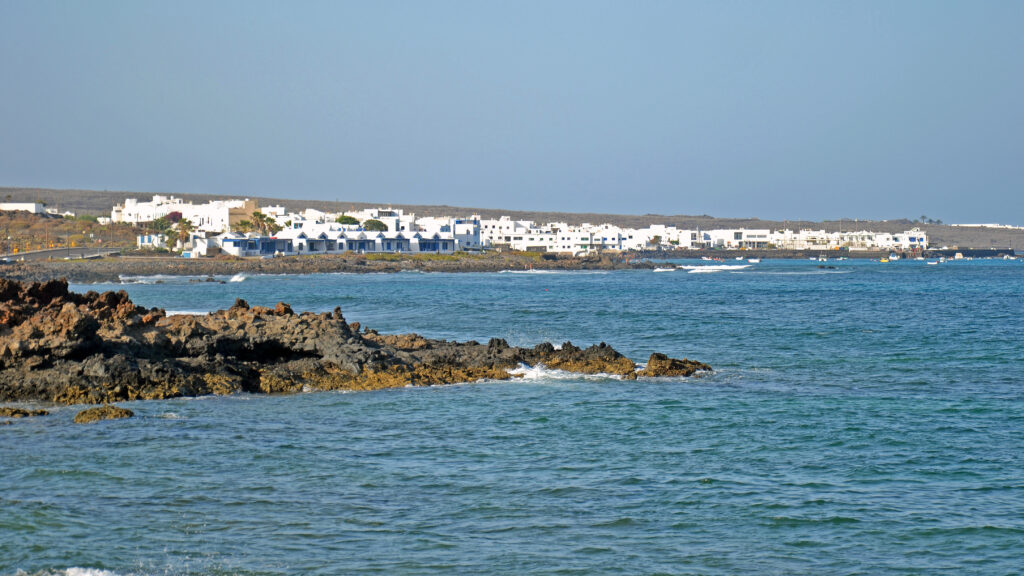
- El Charcón de Arrieta: Protected by a stone breakwater, it is located near the pier of the pretty fishing village of Arrieta.
- Caletón Blanco: In the north, near Órzola. These are not deep rocky pools, but a vast puzzle of sandbanks, coves and shallow pools such as Charca de la Novia, a place of sublime beauty ideal for an accessible day at the beach.
Contrasts of Yaiza: Los Hervideros
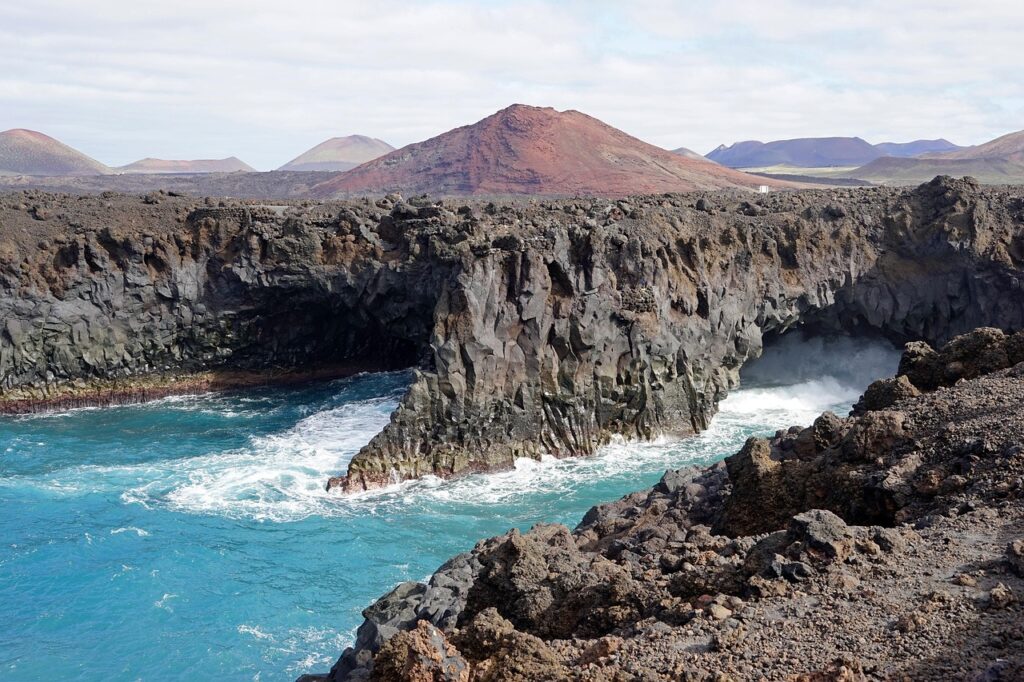
Near Los Charcones, still in the municipality of Yaiza, are Los Hervideros. Although not suitable for swimming, they are a must-see to appreciate the raw power of the volcanic coastline. It is here that the sea crashes furiously into caves and blowholes carved into the lava, offering a spectacle of boiling water (hence its name) and steam. It is the perfect counterpoint to the calm of Los Charcones.
What to see in Lanzarote
If you want to make the most of your visit to the island, here are some places we have added to our map:
- El Golfo: with the Charco Verde, it is one of the most striking postcard images of the Canary Islands.
- Risco Beach: one of the wildest, most beautiful, and memorable beaches in Lanzarote.
- Las Grietas: A perfect blend of geology, volcanic landscape, and photogenic appeal that attracts more and more travelers.
- Caleta del Mojón Blanco: a small natural treasure where turquoise waters and ocean calm prevail.
- Tahíche: Together with the César Manrique Foundation, this is probably the most important cultural space in the whole of Lanzarote.
Frequently asked questions about Los Charcones
Is it safe to swim in Los Charcones?
Yes, as long as you stay within the boundaries of the pools and the sea is not too rough. There are no lifeguards, so caution is essential.
Is it free?
Absolutely. There is no entrance fee or facilities.
Can I bring pets?
Yes, but they must be kept on a leash. It is not recommended that they enter the pools.
Where can I park?
Next to the dirt road. It is best to leave your car before the deepest potholes.
What should I bring?
- Water shoes or footwear with good grip
- Towel and swimsuit
- Biodegradable sunscreen
- Water and food
- Camera (the area is photogenic, especially at sunset)
Tips from a local (to enjoy it like a true Lanzarote native)
- Go at low tide and when there is little wind: you will enjoy the area much more.
- Drive slowly on the dirt track.
- Never go near the edge of the rocks if the Atlantic is rough.
- For photos, sunset is spectacular.
- If it’s windy, forget about the drone. Photos taken at rock level look better.
Conclusion: Los Charcones, the purest corner of Lanzarote
Visiting Los Charcones is like discovering one of Lanzarote’s best-kept secrets. A place where time seems to stand still, where the sea takes on a whole new meaning and where nature shows itself without filters.
It may not be the easiest place to get to, there may be no facilities and the road may be full of potholes. But perhaps that is where its magic lies: Los Charcones remains a natural, unspoilt, silent refuge. A place for those who are looking for more than just a day at the beach: a moment of peace, of disconnection, of reconnecting with the volcanic essence of the island.
If you are looking for something different, far from mass tourism and in a privileged setting, Los Charcones will captivate you from the very first dip.
Photo Credits
Below are the photo credits in order of appearance. Royalty-free photos will not be listed below:
- Comercial Macy’s Canarias, S.L., via themintcompany.com
- Ocio Lanzarote, via ociolanzarote.com
- Diario de Lanzarote, via diariodelanzarote.com
- Barceló Hotel Group, via barcelo.com
- Turismo Lanzarote, via turismolanzarote.com
- Ocio Lanzarote, via ociolanzarote.com
- Ocio Lanzarote, via ociolanzarote.com
- Comercial Macy’s Canarias, S.L., via themintcompany.com
- Turismo Lanzarote, via turismolanzarote.com
- Ocio Lanzarote, via ociolanzarote.com
- Wiki05, CC BY-SA 3.0, via Wikimedia Commons
- Rwxrwxrwx, CC BY-SA 3.0, via Wikimedia Commons
- Turismo Lanzarote, via turismolanzarote.com
- Comercial Macy’s Canarias, S.L., via themintcompany.com
- Ocio Lanzarote, via ociolanzarote.com
- Barceló Hotel Group, via barcelo.com