Discover the captivating beauty of Cala Figuera, Mallorca: Complete Guide and Recommendations
Cala Figuera is a charming fishing port located on the southeast coast of Mallorca, known for its natural beauty and peaceful atmosphere. This picturesque enclave has been a source of inspiration for many artists and poets, who have captured its essence in their works. With a variety of activities to enjoy, delicious traditional cuisine to sample and local crafts to buy, Cala Figuera is the perfect destination for those seeking an authentic Mallorcan experience.
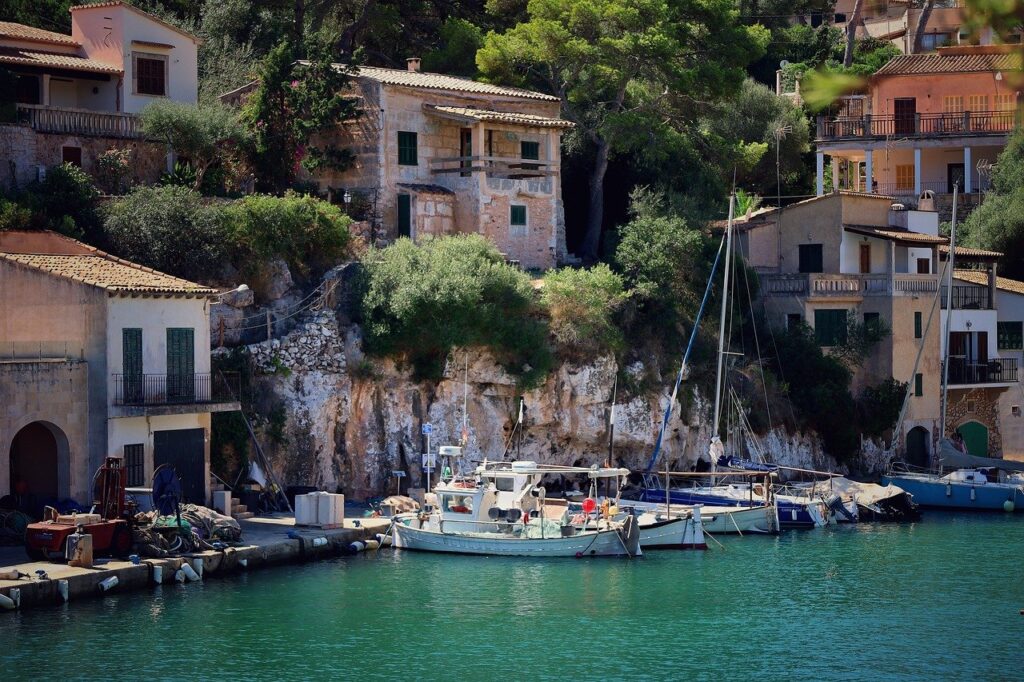

A picturesque fishing port
Just a short distance from the island’s bustling tourist hubs, Cala Figuera offers a serene escape from the crowds and a chance to immerse yourself in the unspoilt charm of a traditional Mallorcan village. Whether you are drawn to the peaceful harbour, the surrounding natural scenery or the authentic local culture, Cala Figuera has something to offer every discerning traveller.
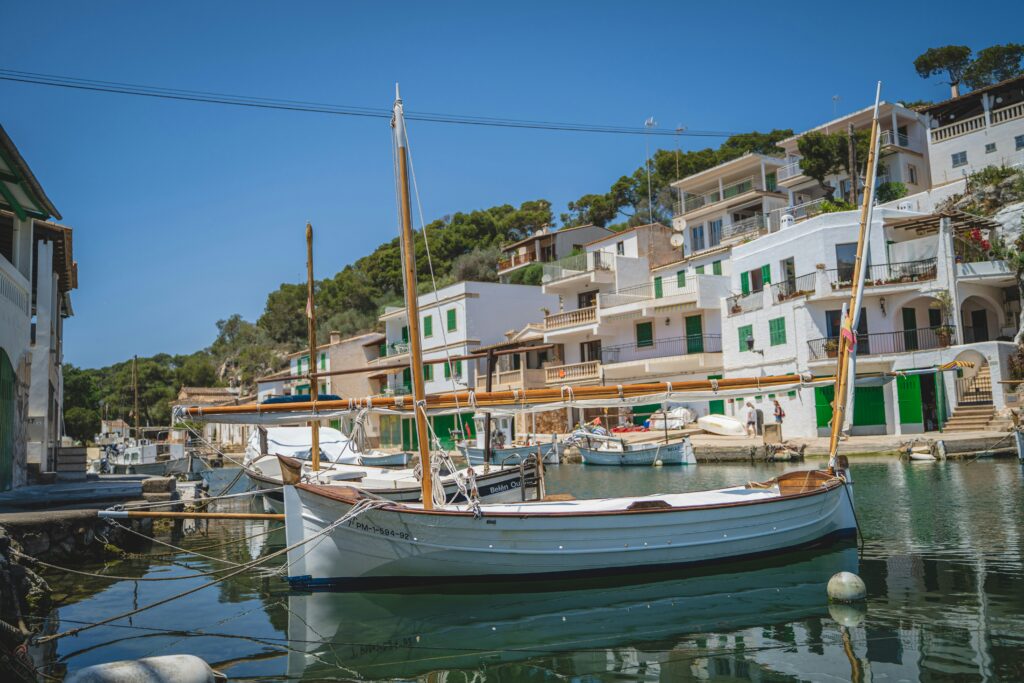
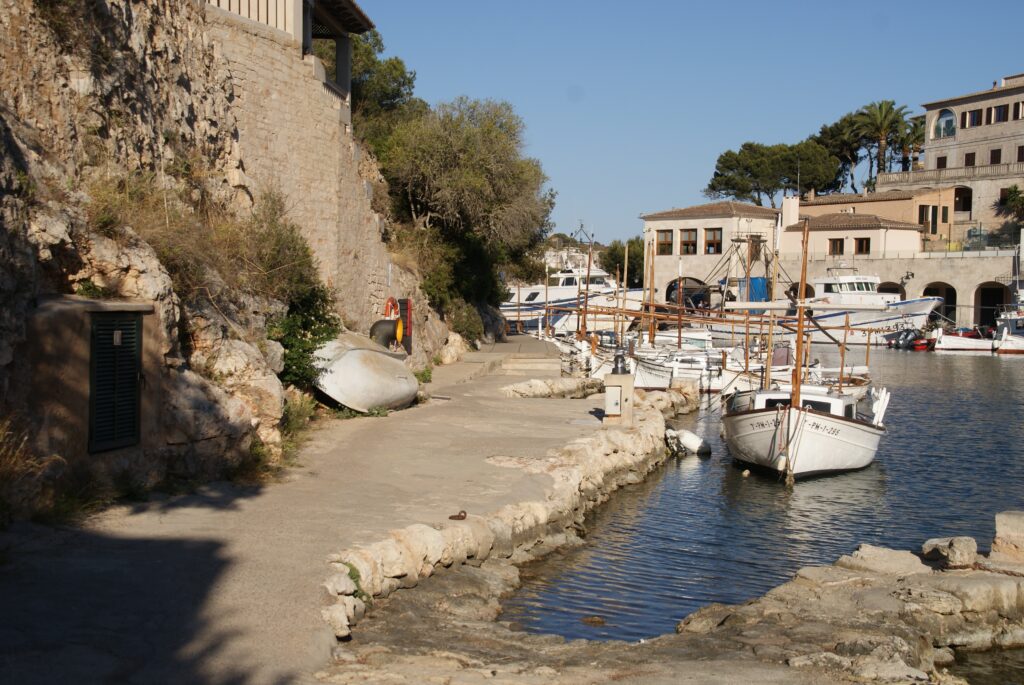
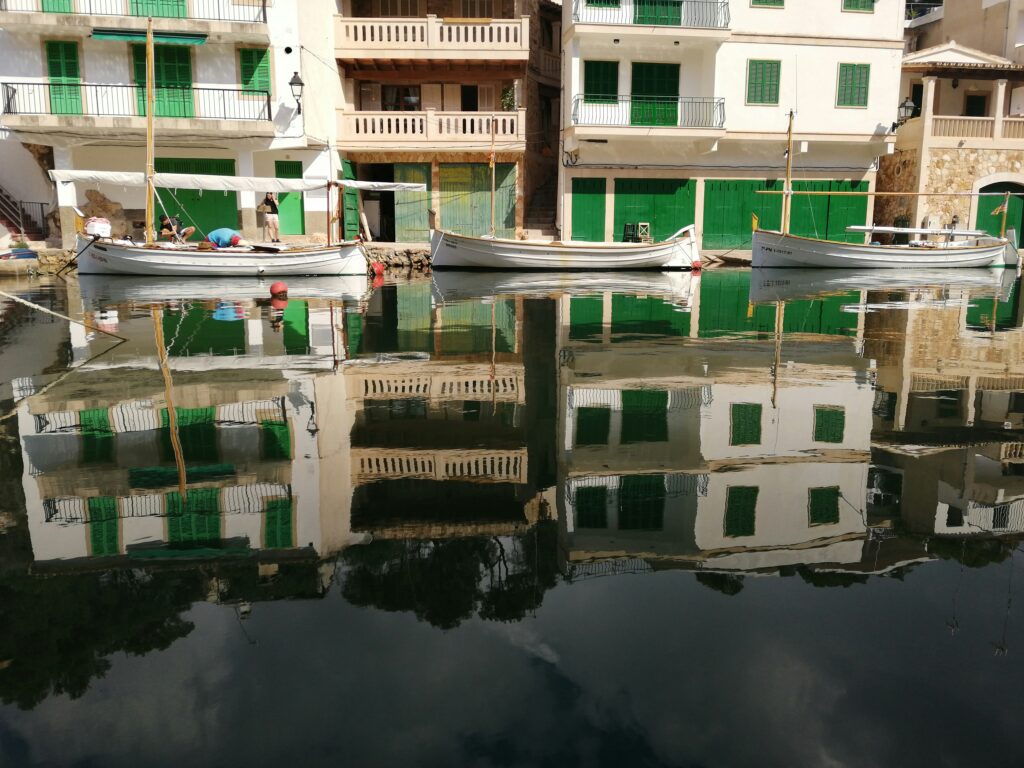
For those with an affinity for history and architecture, a leisurely stroll through the harbour provides an opportunity to admire the traditional and well-preserved charm of the fishermen’s houses and working quay. The maritime traditions and enduring spirit of the seafaring community are palpable at every corner, as the daily routines of the fishermen unfold in a timeless and harmonious manner.
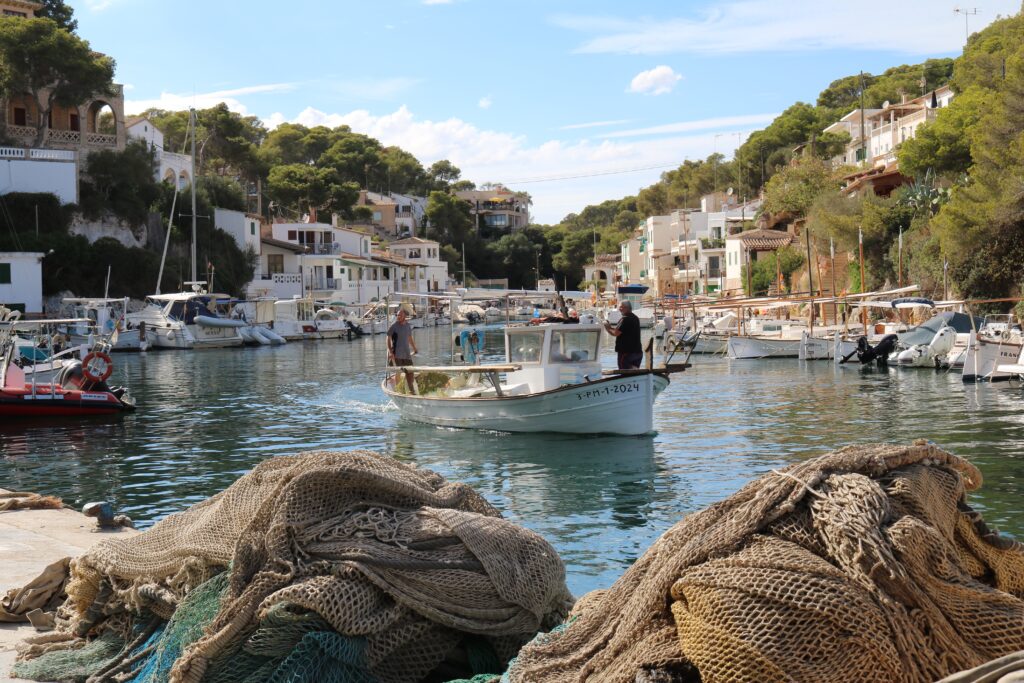
The tranquil atmosphere and the absence of the frenetic energy often found in more commercialised coastal areas make a visit to Cala Figuera a restorative and enriching experience.
A cove that meanders into the heart of the village
Few coves in Mallorca have such a peculiar shape as Cala Figuera. Instead of fanning out into the sea, this tongue of water slips inland as if it wanted to hide among the cliffs. From the air, the cove forms a sinuous curve, divided into two arms of calm waters that seem to embrace the port and the houses that surround it. On one side is Caló d’en Busques, the most sheltered, where the port is located and where you can still see the comings and goings of fishing boats, many of them traditional. At the other end, Caló d’en Boira stretches out with a wilder character, slightly more exposed to the wind and waves.
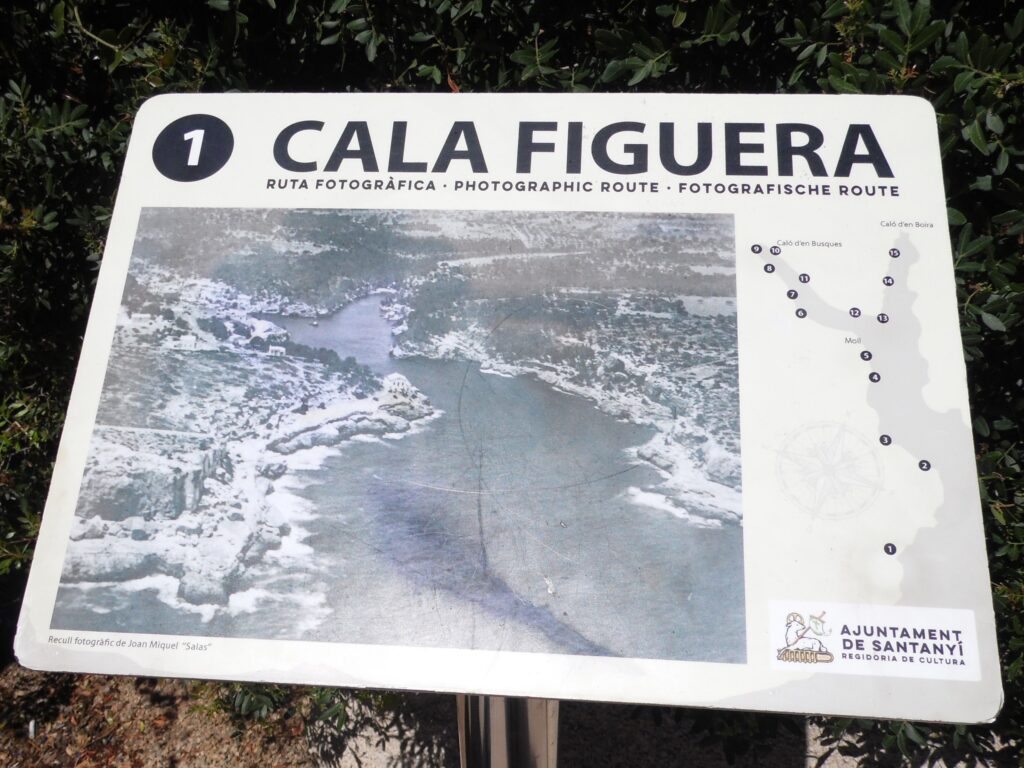
Access by sea is not easy: the entrance to the cove is squeezed between two rocky points -es Morràs and Cala Figuera-, which makes anchoring a manoeuvre reserved for experienced sailors, especially when the wind blows from the east. But it is precisely this narrow and secluded configuration that has turned Cala Figuera into an intimate refuge, one of those that seem to be sheltered from time and mass tourism. Here, the houses do not fight to get close to the water: they seem to have been born with it. And the reflections of the sun on the white façades, the nets drying on the edge of the quay, and the silence barely broken by the occasional boat, make up one of the most endearing postcards of the south of Mallorca.
A corner that inspires art and poetry
Cala Figuera is not just a picturesque fishing port: it is a haven of beauty that has inspired generations of artists and poets. Its old fishermen’s huts, the wooden dry docks and the serenity that emanates from its waters have been captured in canvases from every possible angle. Painters such as Francisco Bernareggi and Sebastià Busquets ‘Bússer’ found in this corner of Mallorca an inexhaustible motif for their work.
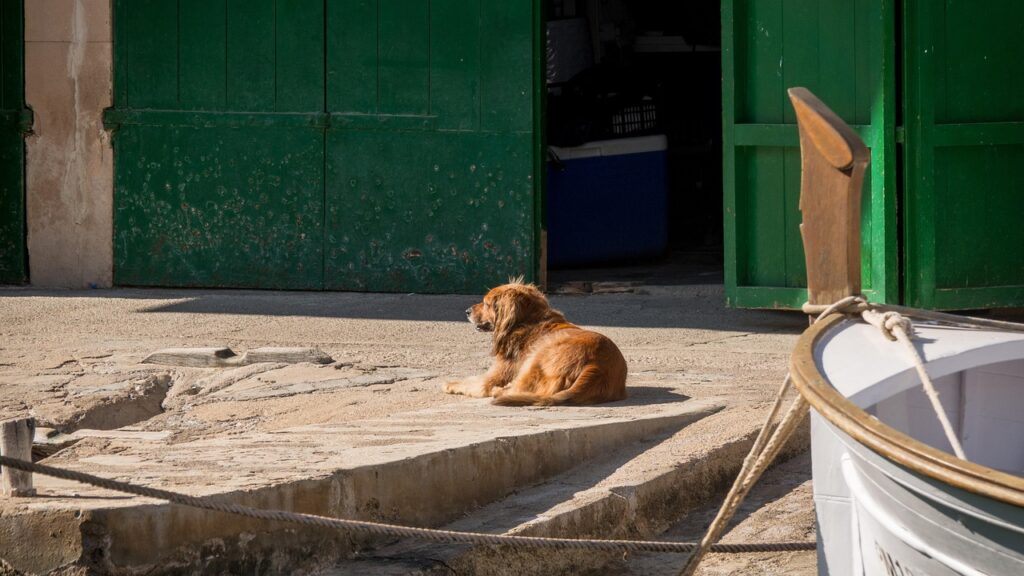
But it was not only the paintbrushes that surrendered to its charms. The renowned Mallorcan poet Blai Bonet chose Cala Figuera as his habitual residence and dedicated verses charged with emotion and colour to it. In his book El Color, the cove and the nearby Caló d’en Boira become lyrical settings, reflecting the profound impact that these landscapes left on his soul. Here, nature is not only contemplated: it is felt, written and remembered.
A story anchored to the sea
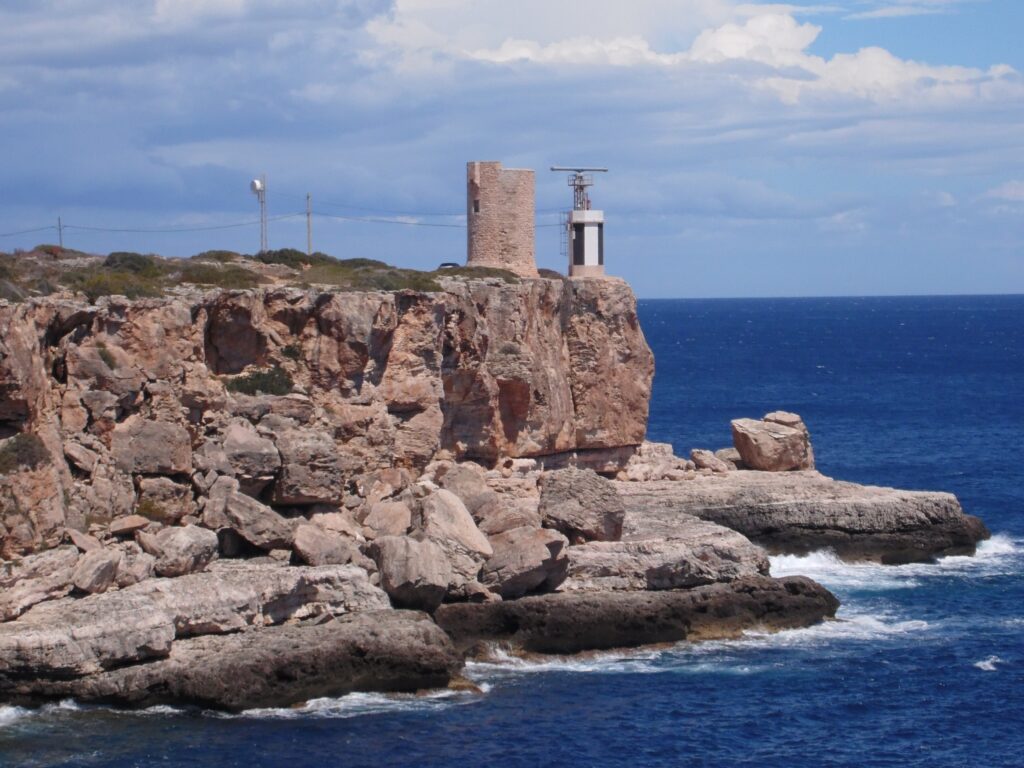
The history of Cala Figuera is closely linked to stone, the sea and memory. Its first documentary record dates back to 1306, when this cove was used as a shipping point for the precious Santanyí stone, so coveted for noble constructions all over the island. But it would be with the passing of the centuries that the place would begin to take on its current profile. In 1569, a coastal watchtower, known today as Torre d’en Beu, was erected on the Punta de Cala Figuera. Restored and in good condition, it can still be visited next to the lighthouse of the same name, inaugurated in 1953. From this point, the view of the Mediterranean is as impressive as it was in the days when the lookouts watched for possible pirate raids.
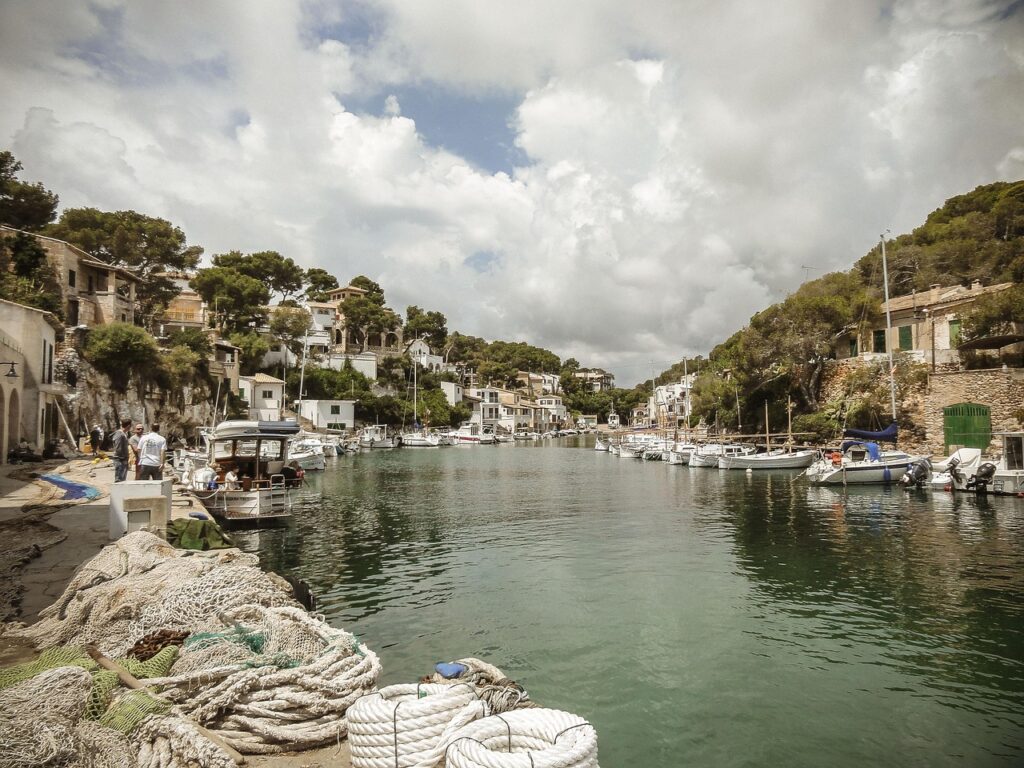
At the end of the 19th century, when sailing was still the motor for boats, the first constructions were built by the water: a modest hut to keep boats, promoted by the local priest and a village doctor. It was not until 1899 that the first house as such was built, owned by the Can Ferrereta family. The port continued to grow slowly but steadily. At the height of the Civil War, in 1938, a church was built, which would later become a restaurant. Later, in the 1950s, the quay and a small fish market were built, marking the beginning of the Caló d’en Busques development, with small houses nestled among pine trees and native vegetation.
It was in the 1970s that the most notorious development came with the creation of the Tomarinar Marina, although always with a more measured expansion than in other coastal areas. Today, Cala Figuera maintains a peculiar balance between seafaring tradition, Mediterranean nostalgia and respectful urbanisation, where you can still see old houses next to modern residences, such as that of the Nigorra family, historically linked to the town and the Balearic banking sector.
Scenic walks among cliffs and legendary lookouts
Adventurous souls looking to immerse themselves in the pristine natural landscapes surrounding Cala Figuera will find their desires satisfied with a network of captivating coastal routes. The rugged cliffs, secluded coves and spectacular views of the Mediterranean coastline provide an idyllic setting for hiking enthusiasts and nature lovers to enjoy the unspoilt splendour of the region. The trail to the iconic Sa Torre d’en Beu lighthouse, with its sweeping views of the open sea and rolling coastline, is a testament to the magnetic appeal of the area’s coastal routes.
Es Pontàs: the most photogenic stone arch in Mallorca
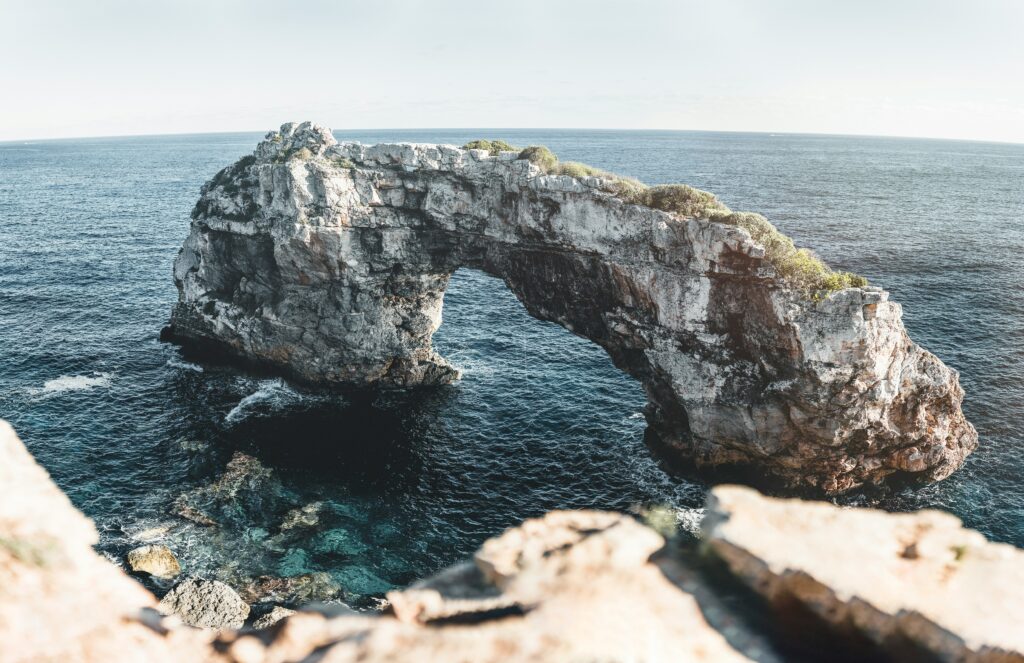
Very close to Cala Figuera, just 3.4 km away – about 7 minutes by car – is one of the most surprising spots in the southeast of Mallorca: the Es Pontàs viewpoint. This natural monument, a spectacular rock arch that emerges from the sea like a suspension bridge, has been the muse of painters, poets and climbers for decades. Its name in Mallorcan, in fact, means ‘The Bridge’, and it couldn’t be more apt. It is an ideal place to disconnect and contemplate the grandeur of the landscape, especially if you visit it at sunset. The sunset from the viewpoint is one of the most magical on the island: the sky is tinged with warm tones while the waves break gently against the rock. It is a perfect moment to let yourself go, camera in hand or simply with your eyes wide open.

Access to the viewpoint is easy. You can get there on foot from Cala Santanyí, on a pleasant signposted route that takes about 50 minutes on foot. If you prefer to go by car, you can leave it in the cove’s free car park and walk the last stretch along a dirt track overlooking the sea. Wear comfortable shoes, though: although the path is not complicated, the terrain is uneven.
And if you are looking for a complete plan, you can combine the excursion to the viewpoint with a day at the beach. Cala Santanyí is an excellent option for this: crystal-clear waters, fine sand, complete services and a family atmosphere make it the ideal complement. You can also go to Cala Llombards, a smaller and wilder spot, surrounded by pine groves and cliffs, perfect for those in search of tranquillity and pure nature. Whether you come to take photos or simply enjoy one of the most iconic landscapes of the Mallorcan coast, Es Pontàs is a must on your route through the southeast of the island. A place you can not only contemplate: you can feel it.
Where to sleep in Cala Figuera
Although Cala Figuera is a quiet and authentic place, it has charming accommodation where you can relax by the sea, wake up with views of the port or enjoy the silence of Mallorcan nature. Here we recommend two options highly valued by travellers, for different budgets, perfect for spending a few unforgettable days in this picturesque coastal town:
What to see in Mallorca
During your visit to the island, here are a number of places that we have included on our map in case you want to add them to your itinerary:
-Paradise beaches and coves
- Cala Romántica: this is a hidden cove with pine-covered cliffs and crystal-clear blue waters that invite you to lose yourself.
- Cala Blava: a peaceful, family-friendly atmosphere makes this the perfect retreat for those seeking to escape the island’s more crowded beaches.
- Portal Vells: coastal area with crystal clear waters, three picturesque coves and a historic cave.
- Camp de Mar: chosen by travellers seeking dream beaches, quality cuisine and peaceful surroundings.
- Cala Mesquida: a beach experience in a still wild setting, far from the hustle and bustle of more urbanised areas.
-Charming Places
- Sa Pobla: a place with cultural heritage and a unique natural environment such as the Parc Natural de s’Albufera.
- S’Illot: a place that combines a unique archaeological past, quiet beaches and a relaxed atmosphere.
- Porto Petro: surrounded by crystal-clear coves and framed by the Mondragó Natural Park.
- Santa Margarita: a town that retains its authentic spirit, largely untouched by mass tourism.
- Estellencs: an idyllic coastal village nestled in Mallorca’s Sierra de Tramuntana mountains.
- Santa María del Camí: A village that combines history, wine-making tradition, craftsmanship and local atmosphere.
- Sierra de Tramuntana: Explore and discover the mountainous heart of the island.
- Esporles: A village surrounded by holm oak forests, stone houses and paths that wind through the mountains.
-Tourist Attractions
- Artà: here you will find a complete destination, ancient history, charming cobbled streets, unspoilt natural landscapes, wild coves and a unique cultural heritage.
- Sant Elm: once a humble fishing port, it has been transformed over the years into a peaceful tourist destination.
- Sa Ponsa: a cosmopolitan and vibrant place, full of hotels, restaurants, yacht clubs and golf courses.
- Magaluf: Mallorca’s premier resort, with turquoise waters and fine sandy beaches, modern facilities, shows, theme parks and nightlife.
- Can Picafort: one of the island’s major tourist resorts, just a few decades ago it was a humble fishing village.
- Llucmajor: the perfect balance between history, nature, and quality of life, making it an ideal place to visit or live.
Live the authentic
Embracing the simple charm and unwavering beauty of Cala Figuera is an invitation to participate in an authentic and enriching experience, weaving together the threads of natural splendour, cultural heritage and the timelessness of a tranquil fishing port. From the captivating landscapes that have inspired countless artists to the warm hospitality and delicious flavours of the local cuisine, every facet of Cala Figuera resonates with a sense of pure authenticity and a deep-rooted connection to the traditions and rhythms of the sea.
As the sun dips below the horizon, casting a golden glow over the calm waters and weathered stone, the harmonious interplay of light and life creates a simply magical scene, and a moment that will be forever etched in the memory of all those fortunate enough to witness it.
In this article you will find some affiliate links. If you book or buy something through them, you help us to continue creating independent and useful content, at no extra cost to you. Thank you very much for making this possible!